
Every busy day in the UK—commuting on the Tube, juggling shift work or managing family routines—asks more of our bodies and minds than ever. Knowing which foods provide long-lasting energy helps you stay alert, steady and productive without relying on sugar highs or energy drinks.
This short guide draws on nutritional science—peer-reviewed studies on macronutrients, glycaemic index, fibre and satiety—and aligns with UK guidance like the NHS Eatwell Guide. It also highlights practical products you can find at Tesco, Sainsbury’s, Waitrose and Holland & Barrett, so you can build a lasting long-lasting energy diet from familiar brands.
Over the next sections you will read about sustained energy foods and how macronutrients affect fuel, followed by focused chapters on whole grains, protein-rich choices, healthy fats, fruits and vegetables, lifestyle factors that change how long energy lasts, and ready-to-use meal plans and product recommendations for energy-sustaining meals UK.
This is a product-review style resource meant to inspire evidence-based, practical choices. Expect clear suggestions for the best foods for sustained energy and realistic tips to help you craft an everyday long-lasting energy diet rather than quick fixes.
Which foods provide long-lasting energy?
Understanding how food fuels us helps make better choices at breakfast, lunch and snacks. This short overview explains the difference between quick spikes and steady fuel, how macronutrients shape energy, and what external factors change how long energy lasts.
Overview of sustained energy vs short-term boosts
Sustained energy means steady blood glucose, gradual nutrient release and lasting satiety. A bowl of porridge or a peanut-buttered apple keeps you feeling steady for hours. A sugary cereal or an energy drink gives a quick spike that often leads to a sharp drop and mid-morning or mid-afternoon fatigue.
Short-term boosts can lift mood briefly but may increase cravings, reduce focus and prompt extra snacking. Understanding sustained energy vs sugar rush helps explain common cycles of productivity and energy dips through the day.
How macronutrients influence energy levels
Carbohydrates are the body’s main quick source of glucose. Complex carbs from whole grains and legumes digest slowly and provide sustained release. Simple sugars from sweets digest fast and can trigger rapid rises and falls in blood sugar.
Proteins support stable blood sugar, promote satiety and help maintain muscle. Combining protein with carbohydrates encourages a slower, steadier energy release after meals.
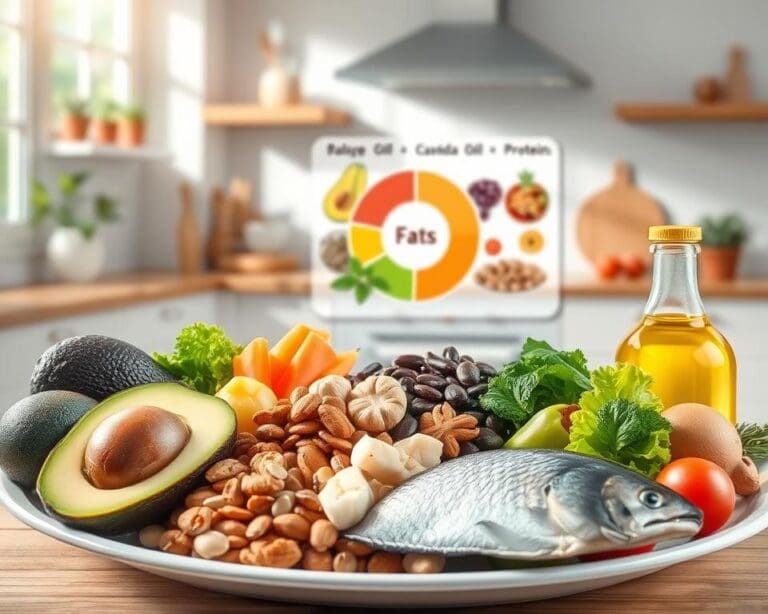
Fats, especially unsaturated fats like those in avocados, nuts and oily fish, slow gastric emptying so energy is released over a longer period. Fats are vital for brain function, with omega-3 fatty acids playing a clear role in cognition.
Micronutrients such as iron, B vitamins, vitamin D and magnesium underpin cellular energy processes. Low levels of these nutrients can blunt how effectively you convert food into usable energy.
Factors that change how long energy lasts (sleep, stress, activity)
Sleep affects glucose metabolism and appetite hormones. Poor sleep raises ghrelin, lowers leptin and makes sustained energy harder to maintain.
Stress increases cortisol. When cortisol stays high, blood sugar becomes more variable and cravings for quick sugars rise. That pattern undermines efforts to maintain steady energy.
Physical activity improves insulin sensitivity and mitochondrial health, so active people often extract energy from food more efficiently. The timing of meals around exercise also changes short-term needs.
Health conditions and some medications alter energy patterns. Diabetes, anaemia or thyroid issues can affect blood sugar and energy duration and may require clinical advice.
- Practical takeaway: match the right mix of macronutrients and mind lifestyle factors to support long-lasting energy.
Whole grains and complex carbohydrates for steady fuel
Whole grains deliver steady fuel the body can use all day. Choosing minimally processed options helps you avoid quick sugar spikes and supports satiety, mental focus and stamina. Simple swaps make a big difference to energy across the day.
Benefits of whole oats, brown rice and quinoa
Oats, brown rice and quinoa each offer distinct advantages. Oats provide beta-glucan fibre that slows carbohydrate release and helps manage cholesterol. They suit porridge, overnight oats and breakfast pots with Greek yoghurt.
Brown rice packs more fibre and micronutrients than white rice. Its slower digestion makes it a reliable base for lunches and evening meals when you need sustained energy.
Quinoa is a pseudo-cereal with a complete plant-protein profile, magnesium and fibre. It works well in salads and bowls to keep hunger at bay while supporting consistent energy levels.
UK shoppers can look for trusted formats such as Quaker porridge, Tilda brown rice and Merchant Gourmet quinoa to get whole grains for energy in convenient forms.
Glycaemic index and why it matters for lasting energy
The glycaemic index ranks carbohydrate foods by how quickly they raise blood glucose. Low-GI choices cause smaller, slower rises and reduce mid-meal energy dips.
Glycaemic load pairs GI with portion size to give a fuller picture of impact on blood sugar. Picking lower-GI whole grains helps avoid the rollercoaster of highs and lows.
Compare steel-cut oats or brown rice with refined cereals or white rice. Combine low-GI grains with protein and healthy fats to lower overall response and extend fuel release.
Quick meal and snack ideas featuring whole grains
Start with porridge made from rolled or steel-cut oats topped with berries and a spoonful of nut butter for long-lasting morning energy. Overnight oats with chia seeds and Greek yoghurt work well when time is short.
For lunch, try a quinoa salad with roasted vegetables and chickpeas, or a brown rice bowl with grilled chicken and steamed greens. These meals balance carbs, protein and fat.
For snacks, reach for whole-grain crispbreads such as Ryvita with hummus or oat-based flapjacks made from rolled oats and nuts with low added sugar. Ready options like Nairn’s oatcakes and Eat Natural low-sugar porridge sachets offer convenience while keeping the focus on whole grains for energy.
Protein-rich foods that support prolonged energy
Protein is a quiet powerhouse for lasting vitality. Choosing the right protein foods for energy helps steady blood sugar, support focus and keep hunger at bay through a busy day.
Lean meats, eggs and fish: timing and portion guidance
Skinless chicken, turkey and lean cuts of beef deliver high-quality protein and iron to aid oxygen transport. Aim for 75–100g cooked portions per meal for most adults. Eggs are versatile and nutrient-dense; a boiled or poached egg at breakfast extends morning energy. Oily fish such as salmon and mackerel add protein plus omega-3s that support cognitive focus, while white fish and shellfish give protein with lower fat.
Distribute protein across the day. Try to include some at breakfast and aim for about 20–30g in each main meal to reduce mid-morning slumps and support recovery. Accessible UK options include Birds Eye for fish, The Collective for free-range eggs and supermarket own-label lean meats.
Plant proteins: beans, lentils, tofu and their advantages
Beans and lentils combine protein with fibre and a low glycaemic response. Tinned pulses from Napolina make quick stews, salads and soups that sustain energy. Tofu and tempeh provide soy-based proteins with complete amino acid profiles, ideal in stir-fries or curries.
Nuts and seeds add protein plus healthy fats to snacks and meals. Plant proteins energy benefits extend to lower saturated fat intake and a smaller environmental footprint, making them strong choices for vegetarian and vegan diets. Brands such as Alpro and Cauldron are widely available in UK supermarkets.
Combining protein with carbs and fats for balanced energy
Pairing protein with carbohydrates and fats slows digestion and prolongs fullness. This stabilises blood glucose and reduces energy crashes that follow high-sugar meals.
A simple plate model works well: half non-starchy vegetables, a quarter whole grains or starchy veg, and a quarter lean protein with a drizzle of healthy fat. Practical meals include Greek yoghurt with oats and walnuts, a chickpea and brown rice bowl with tahini dressing, or grilled salmon with quinoa and steamed greens.
Healthy fats that sustain energy and cognitive focus
Unsaturated fats act as steady fuel for body and mind. They keep you feeling full, support concentration and smooth out blood sugar swings. Small, regular portions can boost endurance without overwhelming calorie needs.
Sources worth adding to your shopping list:
- Avocados for monounsaturated oils, vitamin E and fibre; try avocado on whole-grain toast for a balanced start.
- Nuts and seeds such as almonds, walnuts, chia and flaxseed for plant-based omega-3s and magnesium; a handful provides lasting satisfaction.
- Oily fish like salmon, sardines and mackerel for EPA/DHA, which support focus and mood.
Some familiar UK brands make these choices simple. Reach for Meridian nut butter, Whitworths mixed nuts or John West tinned sardines. Kallo avocado oil and MSC-certified salmon are handy options for quick meals.
How fats change digestion and energy release:
Dietary fat delays gastric emptying and reduces the speed of carbohydrate absorption, so blood sugar peaks are less sharp and fullness lasts longer. This is why fats slow digestion and extend the steady supply of energy after a meal.
Omega-3s also play a role in brain cell membranes, helping with sustained attention and clearer thinking during busy days.
Practical portions and timing:
- Keep portions modest: a handful of nuts, half an avocado or a small drizzle of oil helps control calories while giving steady energy.
- Include oily fish twice weekly to meet NHS guidance and support cognitive benefits.
Serving suggestions and snack ideas:
- Breakfast: avocado on whole-grain toast topped with a poached egg, or chia pudding made with fortified plant milk and berries.
- Snacks: mixed unsalted nuts, oatcakes with almond butter, or a small tin of sardines on rye toast.
- Meal accents: drizzle extra virgin olive oil on salads, stir crushed seeds into porridge, or choose lower-sugar Dorset Cereals muesli for added texture.
For quick inspiration, keep a jar of Meridian nut butter and a box of Eat Natural bars in the cupboard for reliable snack ideas healthy fats UK. These little swaps can change how your energy lasts through the day.
Fruits, vegetables and fibre for long-lasting vitality
Choosing the right fruit and veg boosts daily stamina and helps you feel steady between meals. Small changes, like swapping a sugary snack for a handful of berries, make a clear difference to energy and mood.
Low-sugar fruits that provide steady energy (berries, apples)
Pick low-sugar fruits berries apples when you need reliable fuel. Blueberries, raspberries and strawberries are low in sugar and rich in fibre and polyphenols that support steady glucose release.
Apples and pears contain pectin, a soluble fibre that slows absorption and increases satiety. These make easy, portable snacks that pair well with protein for more lasting effect.
Less-ripe bananas give potassium with a lower glycaemic impact. For value and convenience, look for seasonal British berries or frozen mixes sold at Sainsbury’s and other UK supermarkets.
Vegetables that support energy and micronutrient status
Choose vegetables that boost energy by supplying iron, magnesium and B vitamins. Spinach and kale are rich in folate and iron essential for energy metabolism.
Starchy veg such as sweet potato and squash offer complex carbohydrates and beta-carotene. They release glucose slowly and help keep hunger at bay.
Broccoli and Brussels sprouts add fibre and micronutrients that complement protein in meals. Lightly steaming or roasting preserves nutrients and improves flavour.
Role of fibre in stabilising blood sugar and appetite
Fibre helps digest food more slowly, so blood sugar rises gently and stays steadier. Both soluble and insoluble fibre play parts in appetite control and longer satiety.
Adults in the UK should aim for about 30g of fibre a day. Meet this target with whole grains, pulses, fruit and veg, plus high-fibre products like All-Bran and Warburtons wholegrain bread.
Simple combos work best. Try an apple with cheese or carrot sticks with hummus to pair fibre with protein and fat for sustained energy.
Practical meal plans, timing and product recommendations
Start the day with a balanced breakfast within an hour of waking to set steady blood sugar. Aim for roughly 25–30g protein, a low‑GI carbohydrate and a small portion of healthy fat to sustain energy for 3–5 hours. For meal timing for long-lasting energy, include a mid-morning snack if needed, a filling lunch, an afternoon snack pairing protein and fat, and a moderate evening meal to avoid late spikes.
Use these meal plans sustained energy ideas for three quick days of energy-sustaining recipes: Day 1 — porridge with Quaker oats, semi-skimmed milk, frozen berries and Meridian peanut butter; quinoa salad with Tilda quinoa and Napolina chickpeas; baked salmon with Tilda brown rice. Day 2 — overnight oats with Alpro soya, chia and apple; lentil soup with a wholegrain roll; grilled chicken with roasted Brussels sprouts and mashed sweet potato. Day 3 — scrambled eggs on wholegrain toast with avocado; brown rice and black bean bowl with olive oil; tofu stir‑fry with Merchant Gourmet quinoa.
Product recommendations UK shoppers will find useful include Quaker oats, Tilda brown rice, Merchant Gourmet quinoa and Meridian nut butters. For protein choose John West tinned fish, The Collective or free‑range eggs, and Cauldron or Alpro for plant options. Keep Whitworths nuts, Ryvita oatcakes and frozen vegetables for convenience. Read labels: favour wholegrain first ingredients, low added sugar and minimal processing.
Practical tips to maintain habits: batch cook whole grains and pulses at the weekend and portion for workdays, keep healthy snacks visible, and limit sugary drinks. Track your energy across a week to refine what works best. Small swaps — porridge for sugary cereal, oatcakes with nut butter for a chocolate bar — build momentum towards reliable, long-lasting vitality through consistent meal timing and thoughtful product choices.