This article explains which foods strengthen the immune system and how to use diet to support everyday resilience. It sets out practical, evidence‑led advice on immune‑boosting foods, showing why certain nutrients matter and how they fit into a balanced lifestyle alongside sleep, exercise and stress management.
“Strengthen the immune system” is used here in realistic terms: supporting normal immune function, reducing susceptibility to common infections and aiding recovery, rather than promising guaranteed prevention. We focus on achievable steps to strengthen immunity naturally through food choices and sensible supplementation when needed.
What follows is a clear roadmap: a nutrient primer, top whole foods, the gut–immune connection with probiotics and fermented foods, guidance on protein, zinc and selenium, and a review of supplements and products suitable for UK shoppers. Recommendations draw on NHS guidance, the British Nutrition Foundation and peer‑reviewed studies, with attention to MHRA and ASA guidance on health claims.
Throughout, expect actionable tips, purchasable product guidance for the best foods for immunity UK, and simple meal‑planning ideas you can start this week to make immune‑supporting eating part of everyday life.
Which foods strengthen the immune system?
Good food can be powerful. This brief guide explains which nutrients and products most reliably support immune health, what to look for when buying supplements, and which research findings shape current advice. Read on to understand how whole foods and trusted products work together to nurture resilience.
Understanding immune-supporting nutrients in key foods
Several core nutrients underpin immune function. Vitamin C appears in citrus, bell peppers and kiwifruit and acts as an antioxidant that reduces oxidative stress. Zinc is found in shellfish, red meat and pumpkin seeds and is essential for immune cell development. Vitamin D comes from oily fish, fortified foods and sunlight and helps modulate innate and adaptive responses. Selenium in Brazil nuts and many fish supports antioxidant enzymes. Protein from meat and pulses supplies amino acids for cell repair. Fruits and vegetables add bioactive phytonutrients such as flavonoids and carotenoids that support multiple defence pathways.
How to recognise high-quality immune-support products
Choose supplements with clear ingredient lists and dosages that match UK reference intakes or the amounts used in clinical studies immunity. Look for third‑party testing like Informed Sport or UKAS accreditation and visible Good Manufacturing Practice statements on packaging. Avoid products that hide amounts in proprietary blends or promise absolute immune “boosts.” Labels should comply with UK/EU Nutrition and Health Claims Regulation and list potential allergens and interactions.
Scientific evidence and studies that support food choices
Evidence for immune foods comes from a mix of trials and reviews. Meta-analyses show vitamin C can shorten cold duration in specific groups. Zinc lozenges reduce severity when taken early. Vitamin D supplementation lowers risk of acute respiratory infections in people with low status. Certain probiotics show modest reductions in upper respiratory tract infections.
Clinical studies immunity vary in size and design, which creates heterogeneity. Dosage, timing and participant health influence outcomes. Whole foods often deliver a nutrient matrix and phytochemicals that single supplements cannot replicate. Use research as a guide while prioritising diverse, nutrient-rich meals and trustworthy products that demonstrate immune product quality.
Top whole foods that naturally boost immunity
Whole foods provide a simple, effective way to support immune resilience. Choose fresh produce, herbs and vegetables that supply vitamins, minerals and plant compounds. Small daily changes, such as adding a citrus snack or a handful of leafy salads, can improve nutrient variety and overall defence.
Citrus fruits and vitamin C-rich produce
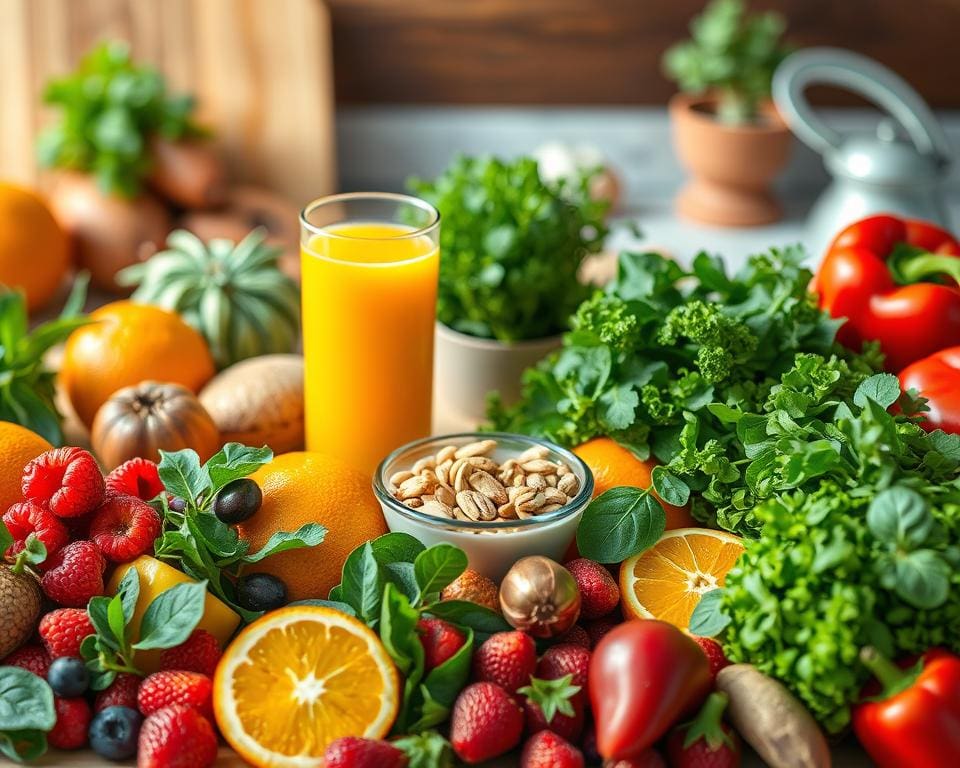
Oranges, clementines, grapefruits, kiwifruit, strawberries and red peppers are among the best sources of vitamin C. One medium orange provides about 50–70 mg, which helps collagen synthesis, antioxidant defence and leukocyte function. To meet the UK Reference Nutrient Intake, aim for at least one to two portions of vitamin C-rich fruit or veg daily.
Prepare these foods with minimal cooking to preserve vitamin C. Fresh salads, chopped fruit bowls and raw red pepper sticks keep the nutrient intact. Light cooking, such as quick steaming, reduces losses compared with prolonged boiling.
Leafy greens and phytonutrients
Spinach, kale, Swiss chard and rocket pack folate, vitamins A and C, iron and a rich mix of polyphenols. Flavonoids and carotenoids in these leaves help modulate inflammation and support immune cell signalling.
Use raw leaves in salads and smoothies or serve them lightly steamed as a side. That preserves sensitive compounds and boosts the leafy greens immune value of each meal.
Garlic, ginger and immune-stimulating herbs
Garlic contains organosulfur compounds such as allicin with antimicrobial activity. Ginger supplies gingerols that have anti‑inflammatory effects and can ease nausea. Clinical and laboratory studies show modest benefits for common colds and digestive comfort.
Add crushed garlic to dressings and sauces. Grate fresh ginger into stir-fries, broths and teas. Those simple uses make garlic ginger immune benefits easy to enjoy. People on anticoagulant medication should check with a clinician before increasing intake.
Cruciferous vegetables and detoxification support
Broccoli, Brussels sprouts, cauliflower and kale provide glucosinolates that convert to isothiocyanates like sulforaphane. These compounds support detoxification pathways and antioxidant responses in the body.
Light steaming preserves the myrosinase enzyme needed for conversion, unlike long boiling. Rotate raw and cooked cruciferous vegetables to widen phytochemical exposure and boost the role of cruciferous vegetables in your diet.
- Choose whole, minimally processed ingredients.
- Combine citrus vitamin C sources with leafy greens immune choices for balanced meals.
- Use garlic ginger immune flavours regularly but safely.
- Include varied cruciferous vegetables to broaden phytochemical intake.
Probiotics, fermented foods and gut-immune connection
The gut microbiome plays a key role in educating our immune system. Mucosal immunity, production of short‑chain fatty acids (SCFAs) that help modulate inflammation, and competitive exclusion of pathogens are all part of how gut microbes shape responses. Research links dysbiosis with altered immune activity, while a diverse microbiome tends to support resilience.
How gut health influences systemic immunity
Cells in the gut interact with immune cells across the body. SCFAs such as butyrate nourish colon cells and help tone down inflammatory signals. Beneficial microbes can limit pathogen growth by outcompeting them and by supporting mucous and antibody production at the gut lining.
When balance shifts, immune signalling can become skewed. Conditions linked to microbial imbalance show changes in systemic immunity. Protecting microbial diversity helps the body mount measured immune responses to threats.
Best fermented foods to include in a daily diet
Practical choices in the UK include natural live‑culture yoghurt, kefir, raw sauerkraut, kimchi, kombucha, miso and tempeh. Look for labels that state “live cultures” or “unpasteurised” where appropriate.
- Natural yoghurt: a small pot daily offers live cultures and calcium.
- Kefir: try a 100–150ml serving with breakfast or in smoothies.
- Sauerkraut and kimchi: add a tablespoon or two to dishes for flavour and microbes.
- Kombucha: enjoy in moderation and watch sugar content.
- Miso and tempeh: use as cooking ingredients to boost savoury meals.
Portions vary with product and strain. The benefits depend on strain variety and viability, so include a mix of options to broaden exposure to probiotics fermented foods.
Choosing probiotic supplements versus natural sources
Whole fermented foods supply a food matrix, diverse strains and additional nutrients. Supplements can offer specific strains at known colony forming unit (CFU) counts for targeted needs. Both have places in a balanced approach.
- Select supplements with clinically backed strains such as Lactobacillus and Bifidobacterium, clear CFU at expiry and third‑party testing.
- Follow storage guidance; some products need refrigeration to preserve viability.
- Check UK labelling for ingredient transparency and consult a clinician if you are immuno‑compromised or taking immunosuppressants.
Weighing probiotic supplements vs foods depends on goals. For everyday diversity, favour a variety of the best fermented foods UK can supply. For specific clinical aims, consider well‑chosen supplements under professional advice.
Protein sources, zinc and other minerals for immune resilience
Choosing the right proteins and minerals helps the body sustain a strong, responsive defence. Aim for a mix of animal and plant sources to support the protein immune system and keep nutrient gaps small. Small, regular servings maintain steady amino acid supply for antibody and immune cell production.
Lean meats, poultry and fish — practical buying tips
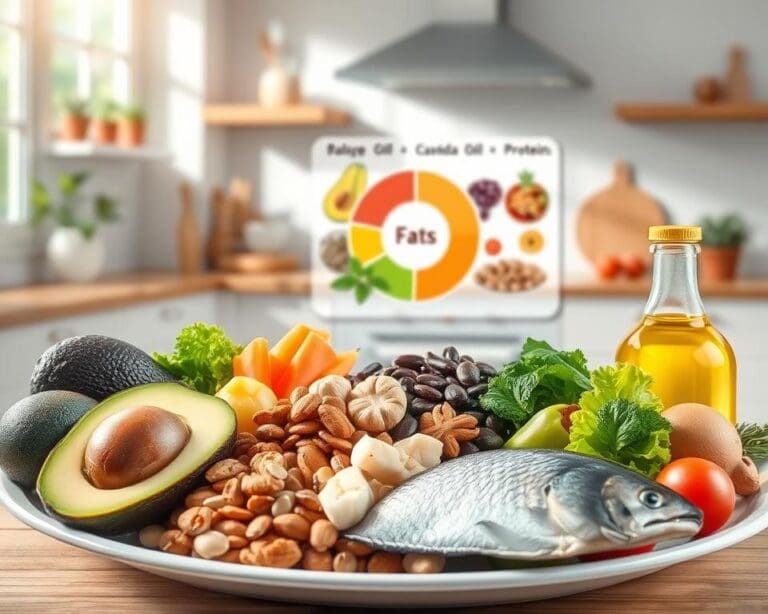
Complete proteins supply all essential amino acids needed to build immune cells and antibodies. Top animal sources include chicken, turkey, lean beef, lamb and oily fish such as salmon, mackerel and sardines. Oily fish add vitamin D and omega‑3 fats that support immune signalling and inflammation control.
When buying lean meat UK shoppers should look for Red Tractor or RSPCA Assured labels for provenance. For fish, choose MSC‑certified options or sustainably sourced lines. Buy skin‑on oily fish for extra flavour and nutrients. Batch cook portions and freeze them to preserve protein intake immune needs across a busy week.
Plant-based protein options and zinc bioavailability
Plant sources that bolster immunity include lentils, chickpeas, beans, tofu, tempeh, nuts and seeds. Pumpkin seeds stand out as a zinc‑rich snack. Brands such as Alpro, Cauldron and Meridian offer accessible plant protein choices in UK shops.
Phytates in wholegrains and pulses can reduce plant protein zinc bioavailability. Improve absorption by soaking, sprouting or fermenting legumes, and by pairing them with vitamin C foods like bell peppers or citrus. A varied plate reduces reliance on any single source and supports zinc for immunity.
How to balance protein intake for optimal immune function
Daily targets vary by age and activity. General adult guidance is 0.75–1.2 g/kg bodyweight for most people. Higher amounts suit recovery or frailer older adults. Spread protein across meals to feed continual immune cell turnover.
Aim for 20–30 g of protein per meal. Combine protein with nutrient‑dense carbohydrates and vegetables to supply energy and micronutrients that aid immune processes. Small changes — a tin of sardines with salad, a tofu stir‑fry with peppers, or a lamb stew with root veg — make balanced eating simple and sustaining.
Superfoods, supplements and reviewed products for immune support
Choosing supplements feels overwhelming when labels promise fast results. This short guide gives practical steps to judge products, spot well‑studied ingredients and keep safety front of mind for UK shoppers.
Start with an evaluation framework that judges evidence and transparency. Check the research for each ingredient and whether the dose matches clinical studies. Look for clearly stated amounts per capsule or serving. Prefer clinically studied forms such as vitamin D3 (cholecalciferol) and zinc acetate in lozenges. Note manufacturing standards and cost‑effectiveness when comparing options.
The next list summarises common immunity ingredients and the relative strength of evidence.
- Vitamin D — solid support for deficiency correction; dose and testing matter.
- Vitamin C — useful for short‑term use and as an antioxidant; note formulation and mg per dose.
- Zinc — helpful for short courses, especially lozenges for colds; choose appropriate salts and doses.
- Elderberry (Sambucus nigra) — promising preliminary results; evidence is mixed.
- Echinacea — variable study outcomes; formulations differ widely.
- Beta‑glucans and probiotics — emerging evidence for immune modulation; strain and preparation are important.
When reviewing products in the UK market, use real retailer and brand comparisons. Check items at Holland & Barrett, Boots, Healthspan, Terranova and Together Health to compare labels and third‑party verification. Read an immune supplements review UK to see how brands score on transparency, ingredient form and independent testing.
For vitamin C, seek clear vitamin C supplements review notes that list ascorbic acid or buffered options with an exact mg per dose. For zinc lozenges review summaries, check whether the product states zinc gluconate or acetate and the elemental zinc amount.
Apply supplement label guidance when you shop. Ensure daily elemental zinc does not exceed the UK tolerable upper limit of 40 mg unless supervised. For vitamin D, common maintenance options range from 10–25 µg (400–1000 IU); higher therapeutic doses require clinical advice.
Safety matters. High vitamin C can cause gastrointestinal upset for some people. Long‑term high zinc can lower copper and impair immunity. Zinc can interact with certain antibiotics. Vitamin K supplements may affect anticoagulant therapy. Pregnant or breastfeeding women, people on medication and those with chronic conditions should consult NHS 111, a GP or a clinical pharmacist before starting new supplements.
Regulatory context matters for claims and marketing. MHRA and ASA rules restrict what manufacturers can say about disease prevention. Look for realistic copy and refrain from products that claim cures. Use supplement label guidance and third‑party testing badges as indicators of honesty and quality when seeking the best immune supplements UK.
For hands‑on comparison, read a focused vitamin C supplements review or a zinc lozenges review alongside broader immune supplements review UK pieces. Balance clinical evidence, label transparency and reputable manufacturing when you decide which superfoods or supplements to add to your routine.
Meal planning, recipes and lifestyle habits to strengthen immunity
Build an immune boosting meal plan around variety and small, steady changes. Aim for five portions of colourful fruit and vegetables daily, two portions of oily fish each week, and a source of lean or plant protein at every meal. Include fibre‑rich wholegrains and regular fermented foods, and add two to three portions of nuts or seeds weekly — one Brazil nut now and then supplies selenium. These simple rules make an effective UK meal plan immune-focused without drastic overhaul.
Practical recipes for immunity suit busy British kitchens. Try a citrus and kale salad with roasted chickpeas and pumpkin seeds; garlic‑ginger salmon with steamed broccoli and quinoa; a lentil and vegetable stew folded with chopped spinach and a squeeze of lemon; breakfast bowls with live yoghurt, mixed berries, toasted seeds and a drizzle of honey; or miso soup with tofu, shiitake and wakame. Batch cook stews, grains and roasted vegetables, freeze portions in labelled tubs and rotate meals to keep the immune boosting meal plan predictable and doable.
Lifestyle habits immune system support are as important as food. Prioritise 7–9 hours’ sleep, manage stress through short mindfulness sessions or walks in parks, aim for 150 minutes of moderate exercise weekly, drink alcohol in moderation and follow NHS guidance on vaccination and hygiene. Small, sustainable swaps — one extra veg portion, swapping a snack for a handful of seeds, choosing live yoghurt — compound over weeks to strengthen resilience.
Adopt these suggestions alongside the product reviews and safe dosing notes in this article to make informed choices. For personalised guidance, consult a GP or registered dietitian who can tailor an immune boosting meal plan and lifestyle habits to your needs while keeping changes realistic and lasting.