
This short introduction sets out to answer which foods suit an active lifestyle by blending clear nutrition science with practical product suggestions you can buy in the UK. We look at foods for active people and the best foods for fitness, drawing on NHS guidance and the British Nutrition Foundation alongside examples from Tesco, Sainsbury’s, Waitrose, Holland & Barrett and Boots Wellness ranges.
The piece is written for recreational exercisers, club athletes, gym-goers, runners and busy professionals who train. It covers carbohydrate, protein and healthy fat choices, hydration tips tailored to the UK climate, snacks and supplement guidance, and a weekly meal-plan template that suits omnivores, vegetarians and vegans.
Our review method mixes evidence-backed principles with product-focused advice and label-check tips. Each following section builds practical takeaways: macronutrient needs, timing for workouts and recovery, shop-friendly product picks, on-the-go meals and sensible supplement choices to support active lifestyle nutrition UK.
Which foods suit an active lifestyle?
Fuel choices shape training quality and recovery. Practical guidance helps athletes and weekend warriors pick foods that support energy, repair and long-term health. Use simple rules to turn science into meals you enjoy and can keep up with.
Quick overview of macronutrient needs for active people
Active people most often rely on carbohydrates as primary fuel. Aim for 45–65% of daily energy from carbs, adjusting for session length and intensity. Examples include porridge, wholegrain pasta and starchy veg for sustained energy.
Protein supports repair and adaptation. Most active adults benefit from 1.2–2.0 g/kg/day, with strength athletes at the upper end. Practical portions are a chicken breast, a mug of Greek yoghurt or a scoop of cottage cheese across the day.
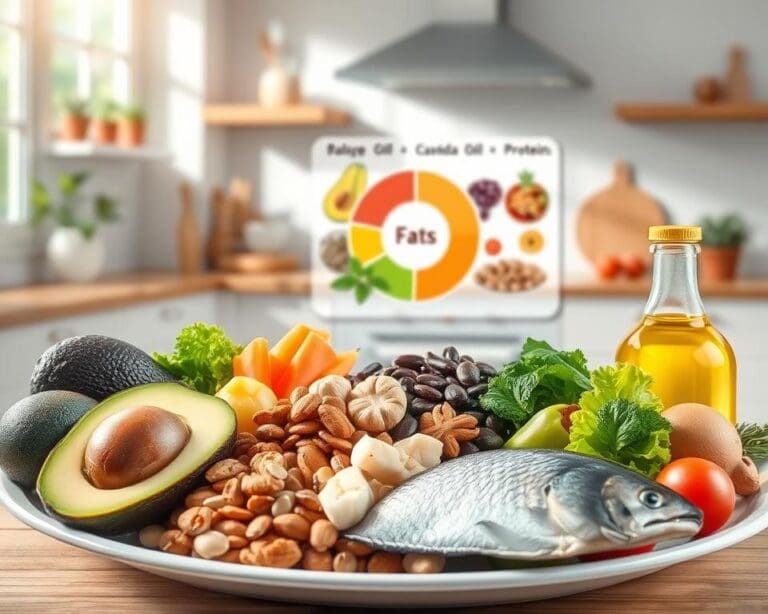
Fats provide energy, aid vitamin absorption and offer anti-inflammatory benefits. Target 20–35% of energy from fats, prioritising sources such as olive oil, oily fish and avocados for overall balance within a balanced diet for athletes UK.
How nutrient timing supports workouts and recovery
Timing influences readiness and adaptation. For longer sessions, pre-exercise carbohydrate of 1–4 g/kg in the 1–4 hours beforehand tops up glycogen stores. For short, high-intensity work a small carb snack 30–60 minutes before can help if well tolerated.
After training, consume protein within 0–2 hours to promote muscle protein synthesis. For repeated sessions in a day, aim to restore glycogen at roughly 1–1.2 g/kg/hour for the first four hours post-exercise using mixed meals or liquid options.
Liquid choices like sports drinks or dairy and plant-based shakes work when quick digestion matters. Thoughtful nutrient timing workouts ensure sessions feel sharper and recovery is faster.
Balancing taste, convenience and performance
Performance food convenience matters when life is busy. Ready-to-eat wholefood options such as porridge pots, wholefruit, Greek yoghurt and pre-cooked grain pouches bridge taste and speed without sacrificing nutrition.
Trusted branded products can be useful for specific needs. Try GU energy gels, SIS isotonic drinks or Science in Sport recovery powders for targeted fuelling around big sessions. Use these sparingly and paired with real food when possible.
Simple home-cooking hacks make meals appealing and sustainable. Batch-cook grain bowls, season with herbs and marinades, and pack portable snacks. Long-term adherence to a routine that tastes good and fits your schedule is central to a balanced diet for athletes UK and meeting macronutrient needs active people require.
Top carbohydrate sources for sustained energy
Carbohydrates power movement, thinking and recovery. Picking the right options makes training feel easier and speeds repair. Below are practical choices and portion tips to keep energy steady for everyday sessions and long efforts.
Oats, brown rice, quinoa, wholewheat pasta and barley supply sustained energy plus B vitamins, fibre and iron. Starchy vegetables such as potatoes, sweet potatoes and butternut squash add potassium and beta‑carotene alongside glucose for muscles.
As a guide, aim for about 1 cup cooked wholegrain (150–200 g) or 150–200 g cooked potato as the main meal carbohydrate. Adjust portions up for larger bodyweight or very intense sessions.
- For convenience in the UK, try ready-cooked rice and pulse pouches from Tilda or Ben’s Original.
- Waitrose and Sainsbury’s stock quinoa and mixed-grain pouches that cut prep time on busy days.
Fruit choices for pre- and post-exercise fuel
Bananas, dates, apples, oranges and berries make excellent portable fuel. They deliver fast carbs, hydration and antioxidants that support recovery.
Use dried fruit like sultanas or dates for concentrated carbs before events or sessions that demand quick energy. After training, pair fruit with a protein source — for example banana with peanut butter or yoghurt with berries — to aid glycogen restoration and muscle repair.
Seasonal British fruit such as apples, pears and mixed berries are often available in supermarket snack packs for easy on‑the‑go options.
Low-GI versus high-GI carbs
Low-GI carbohydrates, including lentils, oats and sweet potato, release glucose slowly. They help maintain steady energy and suit long endurance training and daily meals.
High-GI carbs like white bread, sports gels and some potatoes provide rapid glucose availability. Use them immediately post‑exercise to speed glycogen recovery or before and during prolonged efforts lasting over 90 minutes.
- Choose low-GI for regular meals to keep blood sugar stable and sustain energy across the day.
- Select high-GI strategically: rapid refuelling after hard sessions or quick boosts during long races.
Balancing wholegrains starchy veg guidance with smart fruit for exercise choices and understanding low-GI high-GI carbs when to use will help you tailor fuel to training demands and feel stronger on the road, trail or gym floor.
Protein choices to support muscle repair and growth
Choosing the right protein fuels progress and speeds recovery. Focus on high-quality sources that supply essential amino acids, iron, B12 and calcium while fitting your tastes and routine. Below are practical options and simple serving guidance to help you plan meals that promote muscle repair and growth.
Animal proteins
Lean chicken, turkey and lean beef deliver concentrated protein and iron with minimal saturated fat. Oily fish such as Scottish salmon and mackerel give long-chain omega-3s plus complete amino-acid profiles. White fish and eggs are versatile, affordable choices; British free-range eggs are a nutritious option. Dairy like Arla Skyr, Muller Greek-style yoghurts and cottage cheese supply calcium and high biological value protein.
- Serve 120–150 g cooked chicken breast for about 25–30 g protein.
- A 140 g fillet of Scottish salmon provides a similar protein boost with added healthy fats.
Plant-based protein options
Legumes — lentils, chickpeas and beans — bring fibre and steady energy alongside amino acids. Soy products such as tofu, tempeh and edamame are close to complete proteins; try Cauldron tofu or soya choices from Rude Health. Seitan and quinoa are useful for texture and variety. Commercial powders, like Naked Nutrition pea or mixed blends, help hit targets when food alone is impractical.
- Combine pulses with grains across the day to improve amino-acid balance for vegetarians and vegans.
- Include a portion of soy food each day to ensure complete protein intake.
Practical serving sizes and timing
Aim for 20–40 g protein per main meal and spread intake across 3–5 meals. After training, target roughly 20–30 g of high-quality protein within two hours to support muscle protein synthesis. Practical examples include 200 g Greek yoghurt, a 30 g whey or plant-protein shake, or a handful of roasted chickpeas as a recovery snack.
- Balanced daily plan: three meals at ~25 g plus one or two snacks of 15–30 g each.
- Use simple portion cues: a palm-sized portion of cooked meat or a small tub of skyr equals a useful serving.
Distribute protein evenly through the day for best results. This approach pairs well with training schedules and helps maintain energy, support repair and make gains more consistent.
Healthy fats for endurance and recovery
Fats are a fuel source that helps sustain longer efforts and speeds recovery when chosen wisely. Athletes who plan meals with the right fats can support energy metabolism, nutrient absorption and a calmer inflammatory response after sessions. Below are practical sources, science-backed benefits and simple recipes to make healthy fats part of daily training.
Sources to keep on your shopping list.
- Oily fish: salmon, sardines and mackerel. Aim for two portions of oily fish per week as per NHS guidance; branded options include Young’s smoked salmon and John West sardines.
- Plant sources: flaxseed, chia and walnuts supply omega-3 ALA alongside fibre and minerals.
- Pantry oils: rapeseed oil is common in UK kitchens and rich in omega-3 ALA. Use Filippo Berio olive oil for a source of monounsaturated fats in dressings.
- Whole foods: avocado and nut butters supply monounsaturated fats and make snacks more satisfying.
How fats help performance and recovery.
Fats deliver concentrated energy that supports endurance efforts once glycogen runs low. They help the body absorb vitamins A, D, E and K. Omega-3s have anti-inflammatory properties that may aid recovery and support cardiovascular health, with research suggesting benefit for muscle repair after intense training.
Take care with timing. Very fatty meals slow gastric emptying, so avoid heavy portions just before high-intensity workouts. Use lighter, fat-containing snacks if you need some fuel within an hour of exercise.
Snacks and meals that fit training life.
- Porridge with 1 tbsp ground flaxseed and a handful of walnuts for breakfast fuel.
- Wholemeal toast topped with half an avocado and a slice of smoked salmon for a balanced, portable meal.
- Tuna and bean salad dressed with a tablespoon of olive oil; use oil in dressings rather than frying to preserve beneficial fats.
- Natural peanut or almond butter on banana. Stick to 1–2 tablespoons of nut butter as a portion cue.
- Trail mix with 30 g mixed nuts and seeds for an easy, calorie-dense snack before long sessions.
Choosing these options helps athletes include omega-3 sources UK shoppers can find easily, boost monounsaturated fats in meals and select anti-inflammatory foods for athletes without sacrificing taste.
Hydration strategies and electrolyte-rich foods
Staying well hydrated keeps training consistent and recovery swift. For active people in the UK, simple routines work best: water is the primary fluid for most daily needs, while sports drinks such as SIS or Lucozade Sport can help during long or hot sessions. Aim to drink about 500 ml in the two to three hours before exercise and a further 200–300 ml around 20–30 minutes before starting.
Monitoring small changes helps refine intake. Weighing before and after long efforts gives a clear guide to individual fluid loss and replacement needs. For everyday training in cool British conditions, remain proactive because the hydration UK climate can hide sweat loss and lead to unplanned drops in performance.
Recognising early warning signs keeps sessions safe and productive. Below are common indicators to watch for.
- Thirst and dry mouth.
- Reduced or darker urine.
- Fatigue, light-headedness or poorer concentration.
- Noticeable drop in training output or delayed recovery.
These signs of dehydration athletes face are often subtle in mild weather. Treat them as prompts to rehydrate rather than waiting for severe symptoms to appear.
Electrolytes support nerve and muscle function, so include natural choices in daily menus and after long sessions. The list below helps you build snacks and meals that aid rehydration.
- Bananas and oranges for potassium and quick carbohydrate.
- Potatoes with skin, tomatoes and spinach for potassium and magnesium.
- Coconut water and milk for fluid plus natural sodium and potassium.
- Bone or vegetable broths, such as Kallo stock or organic supermarket broths, for a savoury electrolyte boost after extended exercise.
Combine these natural electrolytes foods with plain fluids to restore balance. A banana and a mug of broth after a long run, or coconut water during a hot training block, supports recovery and keeps motivation high.
Plan simple rituals that fit your routine. Small, consistent steps based on hydration strategies active people UK can prevent problems, maintain energy and make training more enjoyable across the year.
Snack and on-the-go meal ideas for busy active lives
When training and work collide, the right snacks and simple meals keep energy steady and recovery on track. Choose options that travel well, deliver protein and carbs, and avoid long ingredient lists. Small planning changes make nutrient-dense on-the-go meals feel effortless rather than like a chore.
Portable, nutrient-dense snacks for training days
Pack snacks that fit your session length and intensity. For short sessions, a banana with a single-serve peanut butter pot or a Nakd bar gives quick fuel. For longer efforts, consider Trek bars, Bounce balls or energy gels and chews to maintain pace.
Keep savoury choices handy too. Boiled eggs, beef or turkey jerky and rice cakes topped with hummus suit busy days. Graze snack boxes and Grafter’s flapjacks are handy when you need variety without fuss.
Greek yoghurt or skyr pots, mixed nuts and seeds, and lower-sugar oat bars provide protein and fats to aid recovery between sessions.
Meal-prep templates to save time and support performance
Use simple templates to build balanced meals that reheat well. A reliable plate is: grain + protein + veg + healthy fat. Example: brown rice, grilled chicken, roasted vegetables and an olive oil dressing.
Try salad jars to preserve freshness, overnight oats with protein powder and fruit for breakfasts, and slow-cooker stews or chilli with pulses for batch lunches. Cook grains and proteins in bulk, portion into microwave-safe containers and freeze single servings for busy weeks.
Smart store-bought options: what to look for on labels
Reading store-bought sports food labels helps you choose wisely. Check total sugars and saturated fat, favour higher protein and wholefood ingredients, and watch sodium in ready meals. Avoid products with long lists of unfamiliar additives.
Compare per-portion protein and carbohydrate to match your training needs. Lidl’s own-label performance snacks, Holland & Barrett protein bars and supermarket fresh-protein ranges are useful starting points for shoppers in the UK.
When in doubt, pick items that complement your homemade options so portable snacks for training and meal prep for active people UK work together to keep you fuelled all week.
Supplements and functional foods worth considering
Choosing the right add-ons can lift training gains and fill gaps in a busy life. Start with whole foods as your foundation and view supplements as targeted tools to support recovery, strength and overall wellbeing for active people in the UK.
Evidence-backed supplements for active individuals
Several evidence-backed sports supplements have consistent research showing clear benefits. Whey or plant protein powders make post-exercise protein easier when meals are delayed. Creatine monohydrate at 3–5 g per day improves strength and power for many athletes. Caffeine can enhance performance if timed correctly, roughly 3–6 mg per kg before an event. Vitamin D supports bone health and the immune system, which is especially relevant in UK winter months. Consider omega-3 supplements when oily fish intake is low.
Reputable brands sold widely in the UK include Optimum Nutrition, Myprotein, Bulk (UK) and Science in Sport. Choose products with transparent ingredient lists and clear dosage guidance.
When supplements are helpful and when whole foods suffice
Whole foods should remain the primary source of nutrients. A varied diet, regular portions of protein, and oily fish twice weekly will cover most needs for active people. Carbohydrate strategies from earlier sections remain central for fuel and recovery.
Supplements are useful when wholefood intake is impractical, such as during travel, tight competition schedules or when rapid recovery is required. They also help correct specific shortfalls, for example vitamin D in winter or extra protein when appetite is low. Use supplements for targeted performance boosts only when evidence supports them, and pair choices with a sensible plan.
Safety, quality and how to choose reputable brands in the UK
UK supplement safety varies because products are marketed as foods. Look for third-party testing schemes like Informed-Sport or Informed-Choice. These reduce the risk of contamination and are essential for competing athletes who must avoid banned substances.
- Verify label claims and avoid megadoses of vitamins or stimulants.
- Buy from established retailers such as Holland & Barrett or Boots when possible.
- Prefer brands that publish batch testing and exact ingredient amounts.
If you compete at any level, consult guidance from UK Anti-Doping or Sport England. Seek personalised advice from a registered dietitian or your GP before starting regular supplements and to confirm whether supplementation is appropriate for your goals.
Designing a weekly meal plan for varied training demands
Build a periodised nutrition plan that matches the intensity of your sessions. Use higher carbohydrate days around long rides or intense intervals, moderate carbs on easy days and protein-focused meals after strength work to support adaptation. Keep meals consistent, include seasonal UK produce and rotate ingredients to prevent boredom while watching budget with supermarket own-brand pouches and frozen vegetables.
Use a flexible sample training week meals framework rather than a rigid menu. For example, Monday (strength): porridge with whey or plant protein, a grain bowl with chicken and veg for lunch and salmon with sweet potato for dinner. Tuesday (easy recovery): yoghurt and fruit breakfasts and lighter carbs at dinner. Wednesday (intervals): banana and rice cakes before, rice and lean beef after. Weekend long sessions call for extra carbohydrate loading the day before, energy gels and electrolyte drinks during, and a hearty recovery meal afterwards. Swap to tempeh, lentil bolognese or tofu and nut-based snacks for vegetarian and vegan options.
Save time by batch-cooking chilli and stews to freeze, and use a simple shopping list template: grains, proteins, veg, fruit, healthy fats, snacks and hydration supplies. For deeper reading, consult the NHS Eatwell Guide, British Nutrition Foundation and sport nutrition publications to refine a periodised nutrition plan. With small, practical steps you can create a weekly meal plan active lifestyle athletes trust, a meal plan for training demands UK athletes can sustain and clear sample training week meals that fit real life.