Choosing the right pieces for a small bedroom shapes comfort, storage and style. Before buying, measure the room precisely and note door and window swings, radiators and socket positions. A dimensioned floor plan helps you test small bedroom layout options without heavy lifting.
Decide what you must keep and what can go. List essentials—bed, primary storage, bedside table—then mark desirable extras. This simple inventory stops clutter and steers selections towards compact bedroom furnishings that do real work.
Prioritise the bed first, then a wardrobe or chest. Leave at least 60–75 cm for circulation where possible to keep the room breathable. Think in tiers: sleeping, storage, and surfaces, and favour multipurpose items to maximise function in tight spaces.
UK shoppers can try retailers such as IKEA for storage beds and space-saving wardrobes, John Lewis & Partners for slimline, quality finishes, and Dunelm for affordable bedside and storage solutions. Habitat and MADE offer compact bedroom furniture ideas with contemporary flair. Many of these brands provide planning tools and reasonable returns to test what fits.
Consider budget and the environment: browse Facebook Marketplace and Gumtree for second-hand finds to upcycle, or choose flatpack options to balance cost and longevity. With careful measuring and a clear priority list, you can arrange furniture for small rooms that feels calm, practical and stylish.
Smart bed choices for compact rooms
Choosing the right bed can transform a cramped room into a calm, functional space. The bed dominates the layout, so opt for pieces that save floor area or offer storage to reduce extra furniture and clutter.
Storage beds to maximise floor space
Storage solutions range from ottoman lift-up designs to divans with drawers and platform frames with built-in compartments. Ottoman beds give full under-mattress access and suit thicker mattresses up to around 25 cm. Drawer beds let you reach stored items without lifting the mattress but cut down on underbed height.
Look for solid timber frames or metal mechanisms with reputable hardware for longevity. IKEA’s BRIMNES and MALM ranges show what you can achieve on a budget, while John Lewis offers premium ottoman options. Keep slatted bases or airflow gaps under the mattress to reduce damp and mould risks in a UK climate.
Loft and mezzanine beds for vertical living
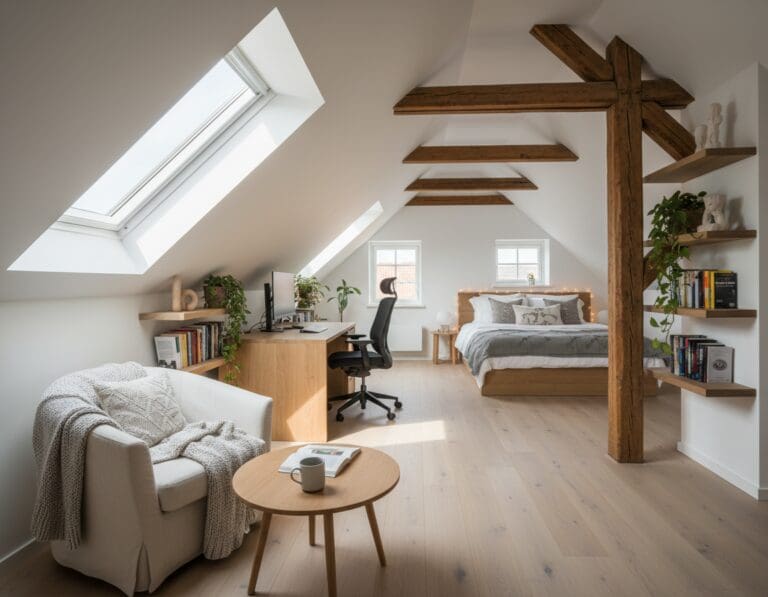
Loft bed ideas work well where ceilings are high or in studio flats, freeing floor space for desks, wardrobes or seating underneath. Aim for 75–90 cm of clear headroom below the loft and ensure there is enough space above the mattress for comfortable sleep.
Use safety rails and certified ladders that meet UK standards. For children, consider established brands such as Flexa and Stompa. For adult spaces, bespoke carpentry or a mezzanine bed UK solution in a loft conversion can add true two-level living, but check building regulations and planning requirements before committing.
Daybeds and sofa-beds for flexible use
Daybeds and a sofa bed for bedroom use suit guest rooms and multifunctional spaces. Options include trundles, futon-style designs, click-clack mechanisms and pull-out slat frames. European retailers like Habitat and MADE stock practical, stylish choices.
Comfort can be a trade-off. Invest in a quality mattress or a topper to improve sleep. Test the mechanism in store where possible. Several sofa-beds include storage compartments and trundle models can offer a neatly stowed second mattress for guests.
Choosing the right bed size for your room
Know UK mattress sizes: Single 90 x 190 cm, Small double 120 x 190 cm, Double 135 x 190 cm, King 150 x 200 cm, Super King 180 x 200 cm. Always check product dimensions including frames to avoid surprises.
As a rule, allow 60–75 cm clearance to walk around the bed on at least one side. If only one side is free, place the bed against a wall. For a lone sleeper who values space, a small double often feels far more comfortable than a single. For couples, choose a double or king based on room size and lifestyle.
Pick low-profile frames and slim headboards to keep sightlines open. Raised frames with legs reveal more floor, making the room feel larger and lighter while simplifying cleaning and airflow beneath the mattress.
Bedroom furniture small space
Choosing the right furniture can make a tiny bedroom feel calm and roomy. Focus on function, proportion and finish to store belongings without crowding the floor. Pick pieces that solve more than one need to keep the layout simple and neat.
Multi-functional pieces that do double duty
Opt for multi-functional bedroom furniture to reduce clutter. A chest that converts to seating or an ottoman with internal storage hides linens while adding a place to sit. Desks that fold into wall units become a tidy workspace or vanity when needed.
Bedside tables with integrated charging stations or bedsides with built-in drawers save space and add everyday convenience. Brands such as John Lewis, IKEA and Made.com offer modular ranges that suit small rooms and tight budgets.
Slimline wardrobes and built-in storage options
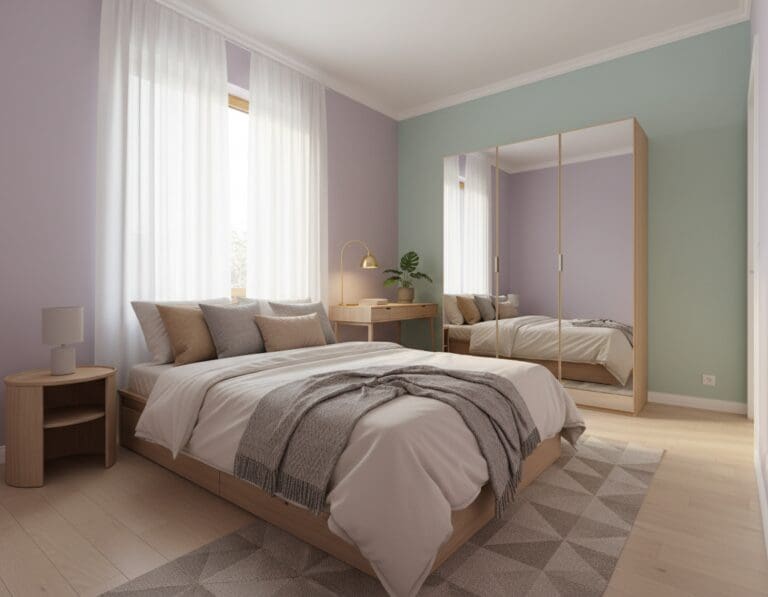
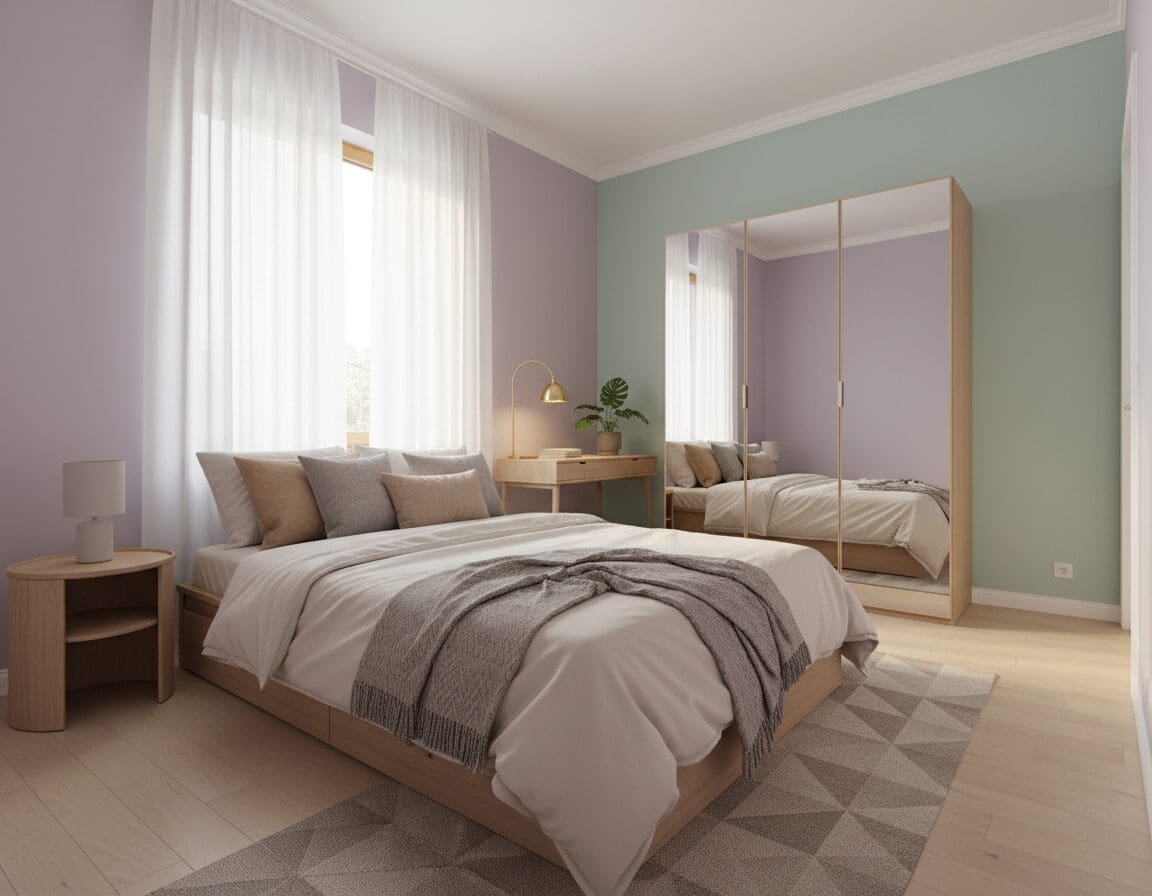
Choose a slimline wardrobe UK style or shallow built-ins to use vertical space without bulk. Narrow freestanding wardrobes, 45–60 cm deep, fit tight alcoves and still hang clothes comfortably. Sliding doors stop swing-room issues, and mirrored fronts boost light.
Bespoke fitted wardrobes from specialists such as Hammonds make awkward corners useful, while flatpack systems like IKEA PAX work for flexible budgets. Inside, fit adjustable shelves, pull-out rails and integrated lighting to maximise built-in bedroom storage.
Floating shelves and wall-mounted organisers
Floating shelves small room solutions free the floor and keep surfaces clear. Mount shelving above beds or desks for display and everyday items. Wall-mounted bedside shelves or peg rails hold lamps, books and accessories without a bulkier unit.
Use secure fixings for plasterboard or masonry and place shelving at reachable heights. Modular systems from String or Muuto let you adapt storage as needs change and prevent overcrowding of floor space.
How to select materials and finishes to keep the room feeling airy
Choose airy finishes for small bedrooms to reflect light and reduce visual weight. Pale woods such as ash or birch, soft neutral paints and gloss-fronted wardrobes all brighten a room. Mirror panels increase perceived depth.
Introduce texture through textiles rather than heavy furniture to keep warmth without shrinking the space. Pick slim profiles, thin legs and visible furniture bases to show more floor and preserve an open feel.
Prioritise sustainable options like FSC-certified woods and low-VOC paints for lasting, healthy interiors. Retailers such as John Lewis and Habitat list material details so you can balance durability with an airy aesthetic.
Seating, bedside and dressing furniture that save space
Finishing touches make a small bedroom work. Choose pieces that give function without crowding the floor. Thoughtful seating, slim bedside units and compact dressing solutions can lift the whole room.
Start with bedside furniture that tucks away belongings. A compact bedside table with storage keeps nightly essentials close and clutter out of sight. Look for narrow cabinets, wall-mounted shelves and units with drop-fronts that hide chargers and paperwork.
- Choose pieces with integrated USBs or cable management.
- Opt for slim drawers for glasses, books and medicines.
- Wall-mounted options should be fixed to studs or suitable anchors.
For a dressing area on a tight footprint, a foldaway dressing table is a smart choice. A foldaway dressing table UK model or a wall-mounted drop-leaf vanity folds away after use. Mirrored cabinets with internal shelves keep cosmetics organised while saving floor space.
Lighting matters for usability. Fit wall-mounted sconces or LED mirror lights to free up surface space. Ensure the fold-down table has enough knee room and pair it with a stool that tucks fully underneath for neat storage.
Seating can double as storage. A storage ottoman bedroom piece offers seating, a bedside surface and internal space for bedding or seasonal clothes. Low-profile ottomans preserve sightlines and make small rooms feel less crowded.
- Pick performance fabrics or leather-look finishes for easy care.
- Wooden storage stools suit classic schemes and age well.
- Dual-purpose stools can act as bedside tables when needed.
Retailers such as Dunelm, The Range, John Lewis and Made.com supply useful options across budgets. Combining a compact bedside table with storage, a foldaway dressing table UK and a storage ottoman bedroom gives practical small bedroom dressing solutions without sacrificing style.
Layout, scale and styling tips for small bedrooms
Start by zoning the room into clear function areas: sleeping, storage and a small dressing or working nook if needed. Use the rule of thirds when planning; place the bed and main storage off-centre to free circulation. These small bedroom layout tips help avoid cluttered floorplans and make daily movement easier.
Choose pieces that respect scale furniture small rooms demand. Opt for narrow frames, lowline beds with legs and slim wardrobes so more floor shows through. Keep main walkways at least 60 cm wide to stay comfortable, and ensure doors and wardrobe openings never block natural light.
For styling small bedrooms, favour warm neutrals, soft pastels or cool greys and add one stronger accent colour in cushions or a throw. Layer lighting with an overhead fitting plus wall-mounted reading lights and table lamps using warm LED bulbs. Use a single patterned feature or subtle textures rather than busy prints to keep the room calm.
Amplify daylight with a large mirror opposite a window and consider mirrored wardrobes or satin finishes to boost perceived space, balanced with tactile materials. Maintain bedroom space optimisation UK standards by decluttering seasonally, using labelled boxes and vacuum bags, and sketching layouts with simple planners like IKEA Planner or Homebase visualiser to test ideas before you buy.