
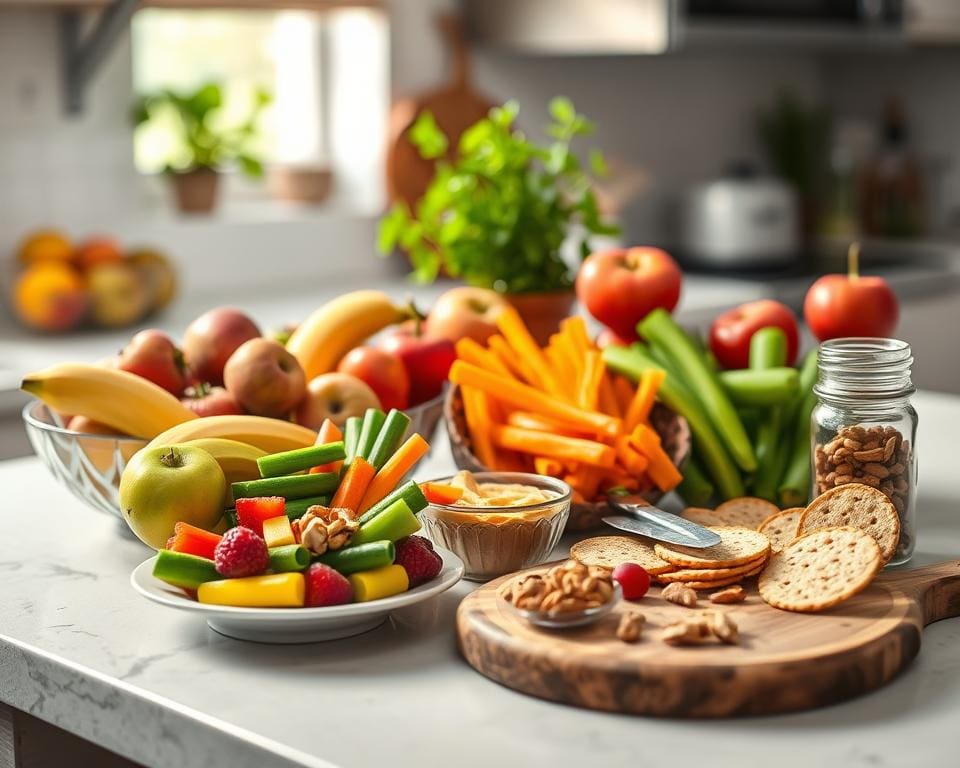
Deciding which snacks are healthy between meals can feel tricky with so many options on supermarket shelves. This short guide reviews nutritious snacks that balance convenience, taste and science-backed benefits for readers across the United Kingdom.
Our aim is to recommend both homemade and packaged choices that support wellbeing and steady energy. We consider whole foods and select UK brands such as Graze, Pip & Nut, Propercorn, Nakd, Eat Natural and Alpro when assessing ingredient quality, portability and value.
Key principles used throughout the review are simple: favour whole foods, combine protein, fibre and healthy fats with modest complex carbohydrates, limit refined sugars, watch portion sizes and prioritise snacks that promote satiety and stable blood sugar.
Recommendations draw on trusted sources including the NHS Eatwell Guide, Public Health England advice on portions, guidance from the British Heart Foundation on reducing saturated fat and salt, and nutrition research on protein and fibre for fullness.
This article is organised across seven sections. You will find clear product reviews, swap ideas and recipes, plus tailored advice for weight management, muscle building and steady energy. It is aimed at busy professionals, parents packing school snacks, people managing weight and anyone seeking sensible snack ideas UK-wide.
Which snacks are healthy between meals?
Choosing the right between-meal snack shapes energy, mood and eating habits. Small, well-timed bites stop extreme hunger that can lead to overeating. They help keep concentration steady and provide nutrients often missed at mealtimes.
Why choosing the right between-meal snack matters
Physiologically, snacks that combine protein, fibre and a little healthy fat slow glucose release and support steady energy. The NHS and the British Nutrition Foundation recommend balanced eating patterns and caution against frequent high-sugar, high-salt, high-saturated-fat snacks.
Mindful choices reduce stress-eating and stabilise mood. A planned snack can prevent mid-afternoon energy dips and keep productivity on track, while reinforcing the importance of healthy snacking as part of daily routine.
How portion size influences blood sugar and energy
Portion size changes outcomes. Oversized portions—even of wholesome foods—add excess calories. Tiny portions may not stop later overeating.
Use simple portion control snacks such as a small handful (about 25–30 g) of nuts, one medium piece of fruit, a 150 g pot of low-fat natural yoghurt, one boiled egg, or 30–40 g of wholegrain crispbreads. Combining protein and fibre—apple with peanut butter, or carrots with hummus—slows glucose absorption and extends satiety.
Visible aids help keep portions sensible. Try snack pots, portioned bags, kitchen scales or measuring spoons to learn what a proper serving looks like.
Simple swaps for common unhealthy snacks
Swapping snacks makes healthy choices easy. Swap a chocolate bar for a 30 g portion of dark chocolate (70% cocoa) with a handful of almonds. Replace crisps with air-popped popcorn or crispbreads paired with reduced-salt hummus.
- Swap sugary cereal bars for homemade energy bites made from oats, nut butter and dried fruit.
- Choose Propercorn over standard salted crisps when you want crunch with less fat.
- Look for Nakd bars or Eat Natural flapjacks as lower-added-sugar options, but check labels for sugar and salt content.
Aim for a small protein-rich snack mid-morning and a carbohydrate-plus-protein choice mid-afternoon when needed. These habits underscore the importance of healthy snacking and help you pick blood sugar stable snacks while you swap unhealthy snacks for better alternatives.
Top nutritious grab-and-go snacks for busy days
Busy mornings and long commutes need simple solutions that taste great and fuel you through the day. This short guide highlights practical, wholesome options that travel well. Choose items that require little prep, stay fresh in a cool bag and keep hunger at bay between meals.
Portable fruit options and how to prepare them
Choose fruit that copes with knocks and jars: apples, pears and clementines are durable and need no refrigeration. Bananas travel well when wrapped in a sleeve or placed between other items to avoid bruising.
Wash grapes or berries and pack them in small reusable tubs for instant snack access. Slice apples and toss with a little lemon juice to prevent browning. Make quick fruit pots by mixing chopped plums or pears with a pinch of cinnamon for flavour.
Dried fruit such as sultanas, apricots or dates fits neatly into a work bag. Keep portions modest and pair dried fruit with nuts to balance the concentrated sugars with protein and healthy fats.
High-protein choices: yoghurt pots, boiled eggs and jerky
Greek or strained natural yoghurt (around 150 g) is rich in protein and keeps you fuller for longer. Pick plain varieties and sweeten with fresh fruit or a small drizzle of honey if wanted. Plant-based options like Alpro high-protein soya yoghurt work well for dairy-free diets.
Boiled eggs are inexpensive, portable and deliver about 6–7 g protein each. Store them in a cool bag for several hours when you are out and about.
Beef or turkey jerky gives a low-carb, protein-dense bite for those on the move. Read labels and favour low-sugar, low-salt brands with simple ingredients to avoid unwanted additives.
Healthy nut and seed mixes: portion guidance and flavour ideas
A serving of 25–30 g of mixed nuts and seeds supplies healthy fats, protein and fibre without excess calories. Use this portion as a pocket-sized snack or combine with yoghurt for a more filling option.
- Try almonds with pumpkin seeds and dried cranberries for a sweet-salty mix.
- Mix walnuts with hazelnuts and a sprinkle of cinnamon for a warming flavour.
- Make a spiced mix with smoked paprika and rosemary for savoury variety.
Ready mixes from brands such as Pip & Nut or Graze can be handy, but check for added sugar and salt. For school or allergy-sensitive settings, offer seed-only mixes or roasted chickpeas as nut-free alternatives.
Low-calorie snack ideas that still satisfy cravings
Choosing low-calorie snacks that fill you up can keep energy steady and stop overeating later. Focus on volume, fibre and a little protein to feel satisfied while cutting calories. The ideas below are easy to prepare and work well for busy days or quiet evenings at home.
Vegetable sticks with dips: hummus, cottage cheese and salsa
Crunchy veg make a great base for filling snacks. Try carrot, cucumber, bell pepper, celery, cherry tomatoes and sugar snap peas for varied texture and fibre.
Choose dip portions that add satiety without excess calories. Two tablespoons (about 30 g) of hummus, 100 g low‑fat cottage cheese or a few tablespoons of salsa work well. Pick hummus brands with less oil or make a homemade batch with reduced oil and extra lemon for zing.
Vegetables supply vitamins and bulk. Dips contribute protein or healthy fats to slow hunger. This mix turns veg sticks and dips into a sensible between-meal option.
Air-popped popcorn and crispbreads for crunch without the calories
Plain air-popped popcorn offers high volume for few calories. A large bowl of popcorn (about 20–30 g) feels generous yet stays light. Season simply with a mist of olive oil and nutritional yeast or a light sprinkle of sea salt and smoked paprika.
Crispbreads give a satisfying crunch and a handy base for toppings. Choose wholegrain options such as Ryvita or wholegrain Ryvita thins. Top two crispbreads with low‑fat cheese, a thin smear of mashed avocado or cottage cheese for a filling snack.
Both air-popped popcorn and crispbreads are easy to portion. Keep toppings modest to maintain the low-calorie benefit while enjoying a crunchy treat.
Fruit-based snacks that deliver sweetness with fibre
Fruit can quell sweet cravings without refined sugar when paired with protein or fat. Try apple slices with a tablespoon of peanut butter, Greek yoghurt with mixed berries or a pear with a small piece of Cheddar.
For convenience, choose tinned peaches in natural juice (drained) or unsweetened fruit pots available in UK supermarkets. Limit dried fruit to 20–30 g and pair it with a few nuts to slow sugar absorption and avoid spikes.
These healthy sweet snacks provide fibre, vitamins and a touch of indulgence while keeping calories in check.
Snack recipes to prepare at home for better nutrition
Preparing snacks at home gives you control over ingredients, portion size and the amount of sugar and salt. Small changes, such as swapping refined sugar for mashed banana or using nut butter as a binder, make a big difference to how you feel between meals.
Energy bites and flapjacks with reduced sugar
For quick homemade energy bites, mix rolled oats with peanut or almond butter, a mashed banana or a little honey, and seeds such as chia or flax. Add a small handful of dried fruit, roll into 20 g balls and chill. One or two balls make a satisfying portion for mid-morning or late-afternoon hunger.
To make healthy flapjacks, use rolled oats combined with mashed banana or unsweetened applesauce in place of most added sweeteners. Add a spoonful of nut butter to bind and fold in chopped nuts for protein and texture. Use a modest drizzle of honey or maple syrup only if needed, then bake until golden and cut into portions.
Store energy bites and flapjacks in airtight containers in the fridge for up to one week. For longer life, freeze individual portions and defrost overnight.
Homemade savoury crackers and seed bars
Savoury crackers can be made from wholegrain flour or ground seeds like linseed and sesame, mixed with olive oil, herbs and a pinch of salt. Roll very thin, bake until crisp and break into snack-sized pieces. These crackers replace many shop-bought crispbreads that contain excess salt and preservatives.
Seed bars combine sunflower, pumpkin and flax seeds with a binder such as mashed banana and a touch of honey. Press the mixture into a tray, bake briefly and cut into bars of about 30 g each. Seed bars deliver fibre and healthy fats in a compact portion that keeps well in the fridge.
Homemade options typically contain less salt and fewer preservatives than some commercial brands, so they are kinder to blood pressure and overall health.
Simple mini-meal ideas: avocado on rye, smoked salmon bites
Avocado on rye is an easy, nutrient-dense mini-meal. Mash half an avocado and spread on a slice of rye or wholegrain bread. Add lemon juice, cracked black pepper and a sprinkle of sesame seeds for extra flavour and healthy fats.
Smoked salmon bites work well on rye crispbread or pumpernickel. Spread a thin layer of low-fat cream cheese, top with a slice of smoked salmon and a few sprigs of dill. These smoked salmon bites are high in protein and provide omega-3 fats for brain and heart health.
Prepare components in advance—boiled eggs, hummus, pre-sliced vegetables—so you can assemble snacks quickly. Batch-prep and portion to keep to sensible servings and reduce food waste.
Snacks for specific goals: weight management, muscle building and steady energy
Choosing snacks that match your goals makes each bite count. For weight control pick low-energy-density, filling options. For muscle gain favour protein-rich choices timed around workouts. For steady focus use carb timing snacks before long meetings or study sessions.
Best snack choices to support weight loss without feeling deprived
Aim for snacks that combine fibre and protein to curb hunger. Try Greek yoghurt with berries, vegetable sticks with hummus, a boiled egg and cherry tomatoes, or a small portion of mixed nuts with an apple.
Plan snacks so you avoid late-afternoon binges. Use smaller bowls and favour high-volume, low-calorie options such as soup, salad or veg sticks. NHS weight management guidance and British Heart Foundation advice recommend limiting saturated fat and added sugar to support weight loss and heart health.
Muscle-supporting snacks rich in protein and healthy fats
When building muscle, reach for high-protein snacks that provide 15–25 g of protein post-workout. Cottage cheese with fruit, a smoothie made with milk or a plant protein powder, turkey slices with wholegrain crackers, or a pot of skyr work well.
Pair protein with healthy fats to aid recovery and hormones. Nut butter on wholegrain toast, avocado with smoked salmon, or a handful of mixed nuts are practical choices. Aim to eat a protein-containing snack within 1–2 hours after resistance training to help repair muscle.
Carb-timed snacks for sustained energy and concentration
Carb timing means choosing the right carbohydrate before mentally or physically demanding tasks. Good examples are a banana with peanut butter, wholegrain toast with honey, or porridge pots before a long run or exam.
Mix carbs with protein and fat to reduce sugar spikes. Try wholegrain cereal with milk and seeds, or oatcakes with cheese. Keep portable carb-plus-protein options at work or in your bag to avoid energy crashes during long meetings or revision sessions.
How to read labels and choose healthier packaged snacks
Learning to read food labels makes shopping for healthy packaged snacks much simpler. Start with serving size and calories per serving so you compare like-for-like; many packets contain more than one portion. Use snack label tips to spot whether a pack is a true single snack or multiple servings dressed as one.
Check sugar and salt content UK guidance on front-of-pack traffic light labels to see green, amber or red at a glance. Look at grams of total sugar and any added sugars on the back, and compare saturated fat both per serving and per 100 g. Prefer products with higher fibre and some protein for better satiety.
Scan the ingredient list: shorter lists with recognisable items are better. Avoid products listing glucose-fructose syrup or long chemical names near the top. When choosing brands, consider options such as Pip & Nut nut butters, Propercorn popcorn and Eat Natural bars, but always read each variant’s label rather than assuming the whole range is low in sugar and salt.
Practical tips: compare per-100 g values when portion sizes differ, favour plain nuts, wholegrain crispbreads or lower-sugar flapjacks, and remember supermarket own-brand lines can offer good value. Use this quick checklist while shopping — realistic serving size, recognisable ingredients, low-to-moderate sugar, salt and saturated fat, and some fibre or protein — or choose a simple homemade alternative.