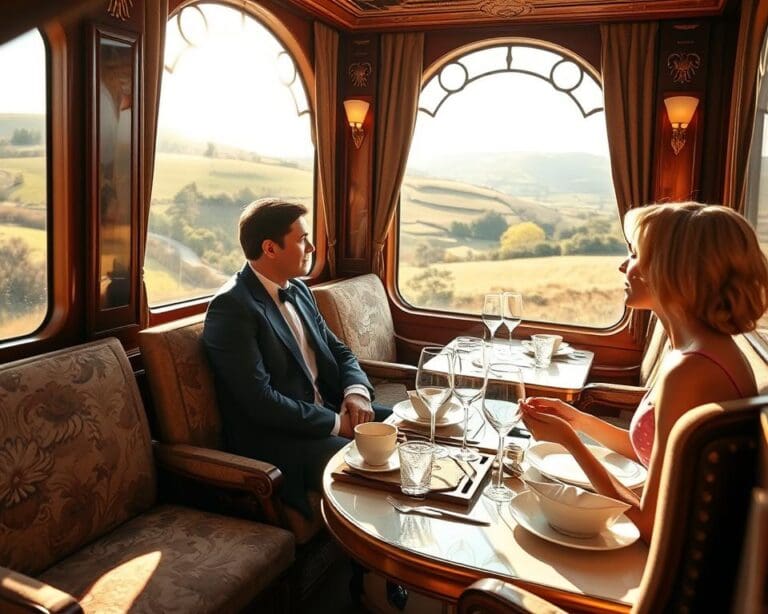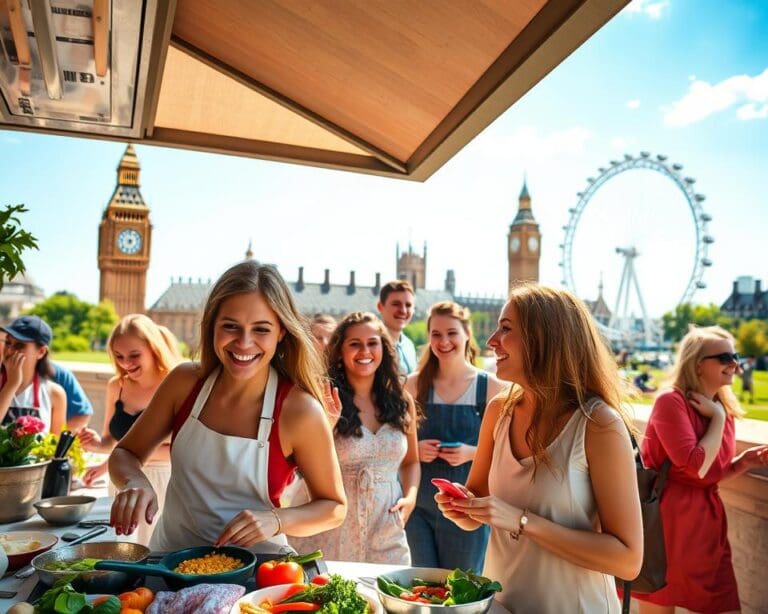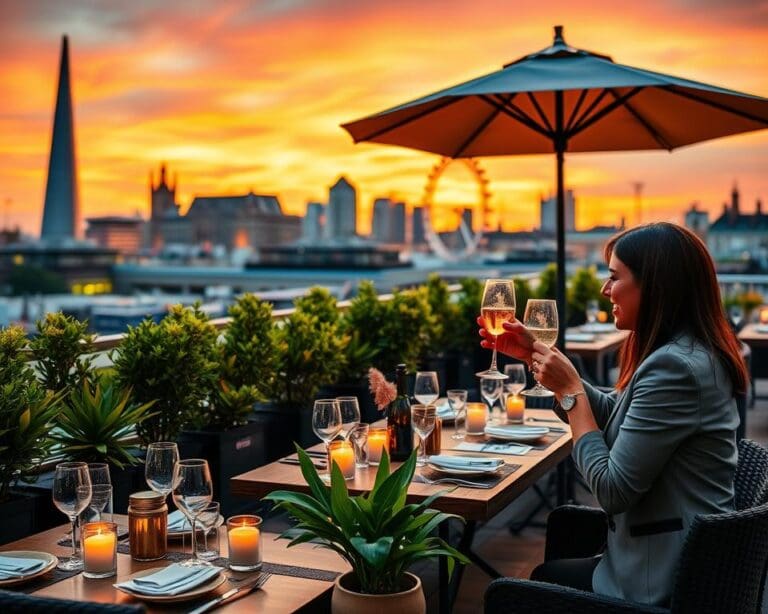
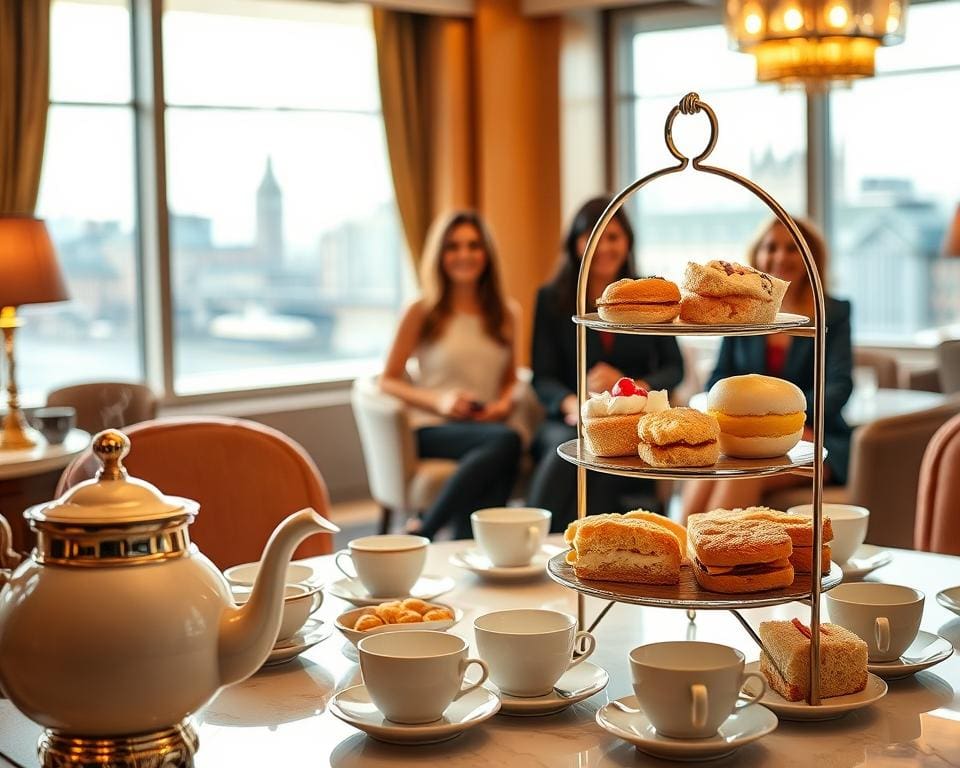
Across the capital, the question “Why are afternoon tea experiences trending in London?” points to a convergence of history and fresh creativity. The revival of afternoon tea is visible in grand hotel salons and quirky pop-ups alike, and it frames a larger British afternoon tea resurgence that blends ceremony with modern appetite.
Afternoon tea began as a genteel pause in the early 19th century, popularised by Anna, the Duchess of Bedford, and later formalised by institutions such as The Ritz, Fortnum & Mason and The Savoy. The three-tier stand, scones, finger sandwiches and fine teas became shorthand for British hospitality, and those rituals still anchor many London tea services.
Today’s afternoon tea London trend spans Claridge’s and The Ritz to independent tearooms, patisseries and seasonal events. From Mother’s Day menus to designer collaborations and Christmas specials, London tea experiences are programmed to catch attention and create memories.
This section introduces the cultural, social and commercial forces behind the revival of afternoon tea. Later sections will explore the cultural resurgence, the role of social media and experiential travel, hospitality innovations and the emotional value that keeps people booking these rituals across the city.
Reporting from The Guardian, BBC Culture, Conde Nast Traveller UK and industry insight from VisitBritain and London & Partners underline the facts and trends described here, giving a reliable base for understanding why afternoon tea experiences are trending in London.
Why are afternoon tea experiences trending in London?
Afternoon tea has shifted from a nostalgic ritual to a living, evolving offering that appeals to locals and visitors alike. Demand stems from a renewed interest in food craft, a desire for memorable moments and inventive hospitality. These forces combine to make hotel afternoon tea London a sought-after booking for special occasions and weekday treats.
Resurgence of British culinary heritage
Top chefs and food writers have revisited British ingredients and techniques, turning cream teas, loose-leaf blends and homemade jam into celebrated staples. The British food renaissance shows in menus at gastropubs and Michelin-starred kitchens that stress provenance and seasonality.
Institutions such as Fortnum & Mason, The Ritz and Claridge’s keep standards high and public interest steady. Historic venues like the V&A tearooms and English Heritage houses offer period-accurate settings that attract both tourists and residents.
Artisan producers play a key role. Specialist merchants such as Whittard, T2 and Rishi Tea supply distinctive blends while independent bakers and patissiers create small-batch pastries that reinforce a craft-led appeal.
Social media and experiential travel
Visual platforms push demand for photogenic and themed offerings. Instagram, TikTok and Pinterest highlight ornate spreads, seasonal props and striking interiors, so social media afternoon tea becomes shareable content that sparks bookings.
A shift toward experience over possession means millennials and Gen Z choose memorable outings over material goods. Afternoon tea fits into experiential travel London as a bookable event that complements sightseeing and celebrations.
Discovery and reservations have become simpler. TripAdvisor, OpenTable and hotel booking systems make it easy to find traditional and pop-up teas, increasing footfall across established venues and new concepts.
Luxury hospitality innovations
Five-star hotels are reimagining tea with seasonal menus, bespoke blends and theatrical service. The Savoy and Claridge’s commission pastry chefs, offer tableside rituals and live pastry stations that refresh tradition while retaining classics.
Cross-sector collaborations raise profile and price. Partnerships with fashion houses and chocolatiers such as Charbonnel et Walker create limited-run teas that attract press and affluent guests.
Wellness and bespoke options broaden appeal. Wellness-infused blends, probiotic-friendly choices and private-room experiences expand the market beyond communal tea rooms and feed demand for luxury afternoon tea innovations.
Modern twists and variety in London’s afternoon tea scene
London’s tea tables have grown bolder. Chefs mix classic technique with contemporary tastes to keep tradition fresh and surprising.
Contemporary flavour combinations and dietary options
Pastry chefs at places from Claridge’s to Sketch craft matcha and yuzu pastries, lavender shortbreads and Earl Grey-infused cakes. Savoury plates show smoked salmon with dill variations and inventive plant-based finger bites.
Dietary inclusivity is now central. Many venues offer vegetarian and vegan menus, bespoke gluten-free scones made with alternative flour blends and plant-based clotted cream substitutes. These changes make vegan afternoon tea London and halal-friendly options easy to find.
Tea lists have widened too. Guests can choose rare single-origin black teas, herbal infusions, cold-brew varieties and tea cocktails. Specialist tea sommeliers and boutique tea companies curate pairings that lift each course.
Themed and immersive tea experiences
Themed menus pull in culture and season. Alice in Wonderland twists, West End tie-ins and Royal-themed offers appear alongside fashion-collection collaborations and museum pop-ups. These events attract both tourists and locals.
Immersive tea experiences layer sound, sight and touch. Period dress, live quartets or jazz trios and dramatic sets create a multi-sensory visit. Some operators add augmented reality elements to surprise the guest.
Partnerships broaden reach. Hotels, galleries and luxury boutiques team up to present curated teas that feel like part of a larger cultural day out. That approach has helped themed afternoon tea London become a staple on event calendars.
Accessibility and price range diversity
Price points cover a wide spectrum. Affordable local tearooms and national chains offer lower-cost classics. Mid-range hotels provide polished service without premium rates. Five-star addresses in Mayfair and Knightsbridge sit at the top end.
Emerging neighbourhoods such as Shoreditch, Brixton and Camden host experimental and budget-friendly formats. Weekday discounts, children’s set menus and shared platters make afternoon tea accessible for families and friends.
Booking choices add flexibility. Last-minute deals, gift vouchers and combined packages—tea plus theatre or museum entry—broadly increase appeal. That mix of options supports both tourist itineraries and spontaneous visits by Londoners seeking new immersive tea experiences.
Why afternoon tea provides social and emotional value in London
Afternoon tea offers a clear social value of afternoon tea by acting as a deliberate pause in busy city lives. The ritual of sharing scones, finger sandwiches and pot-brewed tea creates a calm space for conversation. For urban professionals and families, this slow, shared ritual encourages mindful eating and deeper connection rather than rushed transactions.
Many Londoners and visitors use afternoon tea London social experience to mark birthdays, baby showers, anniversaries and corporate entertaining. The format is recognisable and elegant, so it suits celebratory moments and tourist splurges alike. Hotels and independent tearooms from Mayfair to Shoreditch offer settings that make gatherings feel considered and special.
The emotional benefits afternoon tea delivers are rooted in comfort and nostalgia. Familiar flavours—clotted cream, jam, warm pastries—evoke childhood memories and family routines. That restorative quality links closely to tradition and wellbeing, helping people to relax and recharge in a way that feels both domestic and refined.
Afternoon tea also carries cultural weight as soft capital for Britain. Visitors seek the afternoon tea London social experience as part of cultural immersion, and domestic patrons appreciate its role in national identity. Economically, the practice supports hospitality jobs, artisan bakers and tea merchants, reinforcing local food economies while remaining adaptable to sustainability, tech integration and evolving dietary needs.