Across the UK, knitting needles, sketchbooks, pottery wheels and seed trays are finding space in busy homes again. So, why are creative hobbies making a comeback? For many people, the answer is not nostalgia alone. Making something by hand offers a calm break from screens, a modest sense of achievement and a way to express taste without needing professional skill. From visible mending to weekend watercolours, creativity feels practical, sociable and deeply human at a time when everyday life can feel fast, expensive and rather impersonal.
Why are creative hobbies making a comeback now?
One reason is that creativity gives people a form of leisure that feels active rather than passive. Watching another episode or scrolling another feed can be relaxing, but it rarely leaves anything tangible behind. A half-finished scarf, a repaired chair or a loaf cooling on the rack tells a different story: time has turned into an object, a skill or a meal.
The cost of living has also changed how households think about enjoyment. Hobbies such as drawing, baking, sewing or gardening can be scaled to a budget, shared with family and revisited in small pockets of time. They do not have to mean expensive equipment or classes. Often, the pleasure starts with using what is already at home.
Creative hobbies also suit hybrid routines. A person can paint before work, crochet on a train or tend herbs on a balcony after dinner. This flexibility makes making feel possible, even when diaries are crowded.
The wellbeing appeal of making things
A calmer relationship with screens
Many people are not rejecting technology; they are looking for balance. Hands-on pastimes create a clear boundary between digital work and personal time. The movement of stitching, sanding, kneading or colouring can be gently absorbing, which helps the mind settle without demanding perfect silence or a full free afternoon.
Confidence through visible progress
A creative hobby gives feedback in plain sight. The first attempt may be uneven, but improvement is visible. Stitches straighten, plants recover, drawings gain proportion and recipes become familiar. That progress matters because it feels earned. In a world of instant results, slow improvement can be surprisingly satisfying.
How social life is shaping the revival
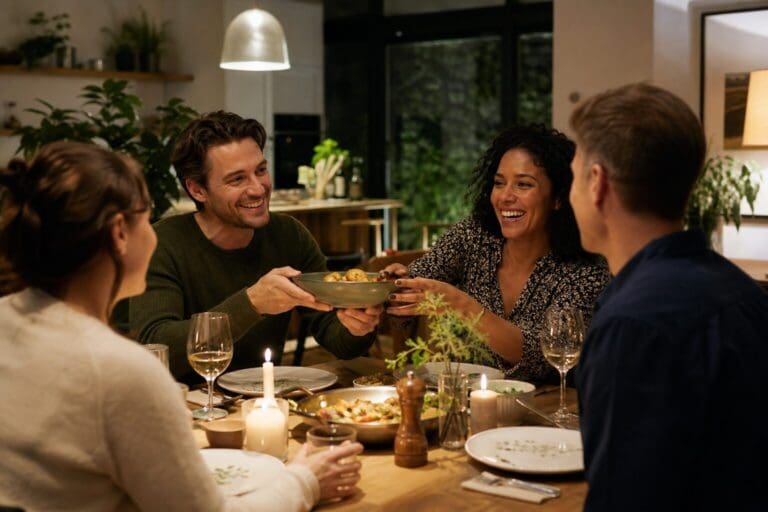
Although many crafts are done at home, the comeback is not lonely. Local workshops, repair cafés, community gardens and informal meet-ups let people learn beside others. Conversation flows more easily when hands are busy, and shared mistakes often become part of the fun.
The most approachable creative hobbies tend to have three things in common:
- Low barriers: beginners can start with basic materials, borrowed tools or simple ingredients.
- Room for personality: colours, flavours, patterns and finishes can reflect individual taste.
- Shareable results: finished items can be worn, eaten, displayed, gifted or swapped.
That social element is important for consumers who want experiences as well as possessions. A mug made in a ceramics class may be imperfect, yet it carries the memory of the evening. A jumper repaired with bright thread can start conversations rather than hiding wear.
Practical, sustainable and personal
Another reason creative hobbies are returning is their connection with usefulness. Mending clothes, growing herbs, making cards or upcycling furniture can reduce waste and extend the life of things people already own. The appeal is not only environmental; it is emotional. Repairing a favourite coat can feel better than replacing it.
Personalisation is also part of the attraction. High-street products can be convenient, but they are designed for broad appeal. Making allows small choices: a bolder glaze, a softer yarn, a spicier chutney, a frame painted to match a room. Those details make ordinary objects feel more intimate.
Why beginners feel more welcome
The old image of a hobby as something you must master before showing anyone is fading. Beginners now see value in experimenting, learning openly and accepting flaws. This matters because fear of not being good enough can stop people before they start.
The rise of mindful imperfection
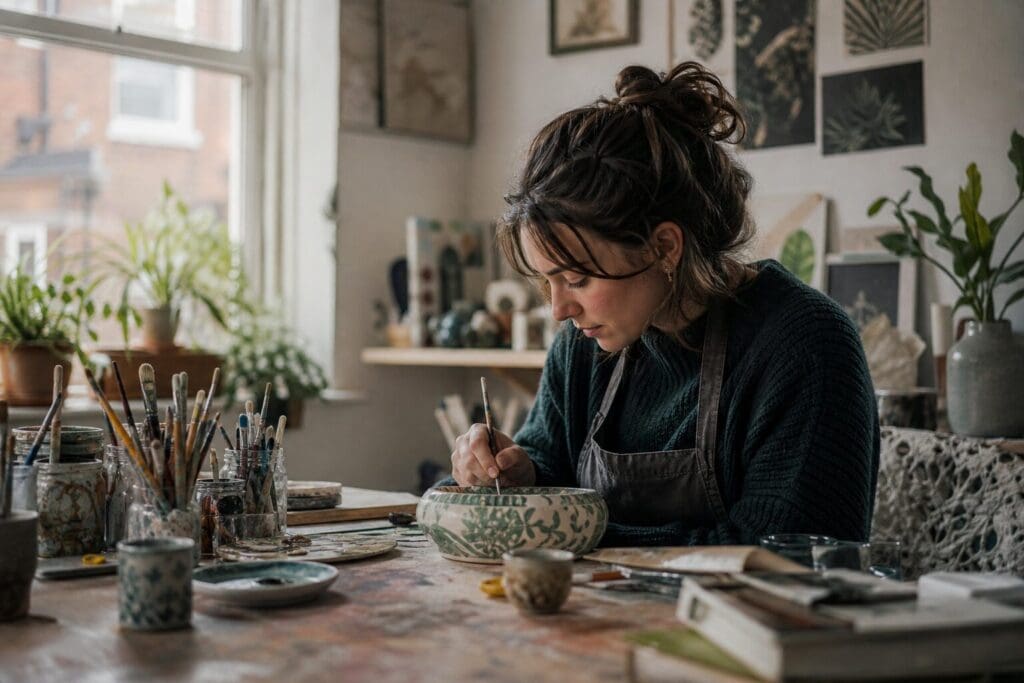
Creative hobbies make space for uneven edges. A hand-built bowl may wobble, and a sketch may leave traces of rubbing out. Rather than ruining the result, these marks show attention and time. For many people, that is precisely the charm.
Learning that fits real life
People can now learn in many small ways, from books and magazines to short demonstrations and local sessions. The format matters less than the permission to begin gently. Ten minutes of practice is still practice, and a modest project can still be meaningful.
Frequently Asked Questions
Why are creative hobbies making a comeback in the UK?
Creative hobbies are returning because they offer calm, low-pressure enjoyment, visible progress and a break from screen-heavy routines. They also suit household budgets, flexible schedules and a growing interest in repairing, reusing and personalising everyday items.
Which creative hobbies are easiest for beginners?
Drawing, simple knitting, baking, collage, container gardening and basic hand sewing are approachable starting points. They allow practice with affordable materials and do not require a dedicated studio, large storage space or advanced technical knowledge.
Do creative hobbies help with stress?
They can help many people unwind because repetitive, practical actions give the mind something steady to follow. However, they are not a replacement for professional support when stress feels overwhelming or affects daily life.
Are creative hobbies expensive to start?
Not necessarily. Many hobbies can begin with household items, second-hand tools or small starter materials. Costs rise when someone buys specialist equipment, but beginners can usually test an interest before spending much.
Can children and adults enjoy the same creative hobbies?
Yes, many activities work across ages when tasks are adjusted for patience, safety and skill. A child might decorate biscuits while an adult bakes them, or both might paint simple pots together. Shared making can encourage conversation, cooperation and pride without needing everyone to produce the same result. The value lies in spending attentive time and enjoying the process, not in judging whose work looks best at the end.