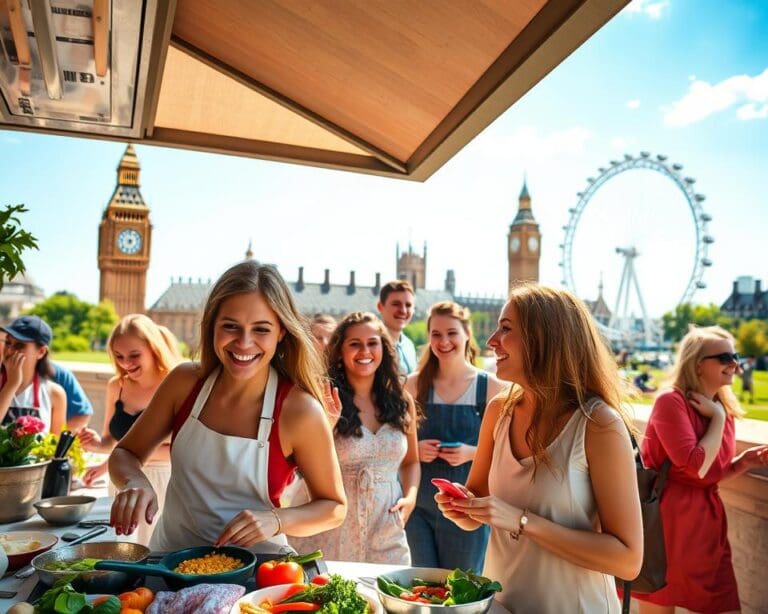
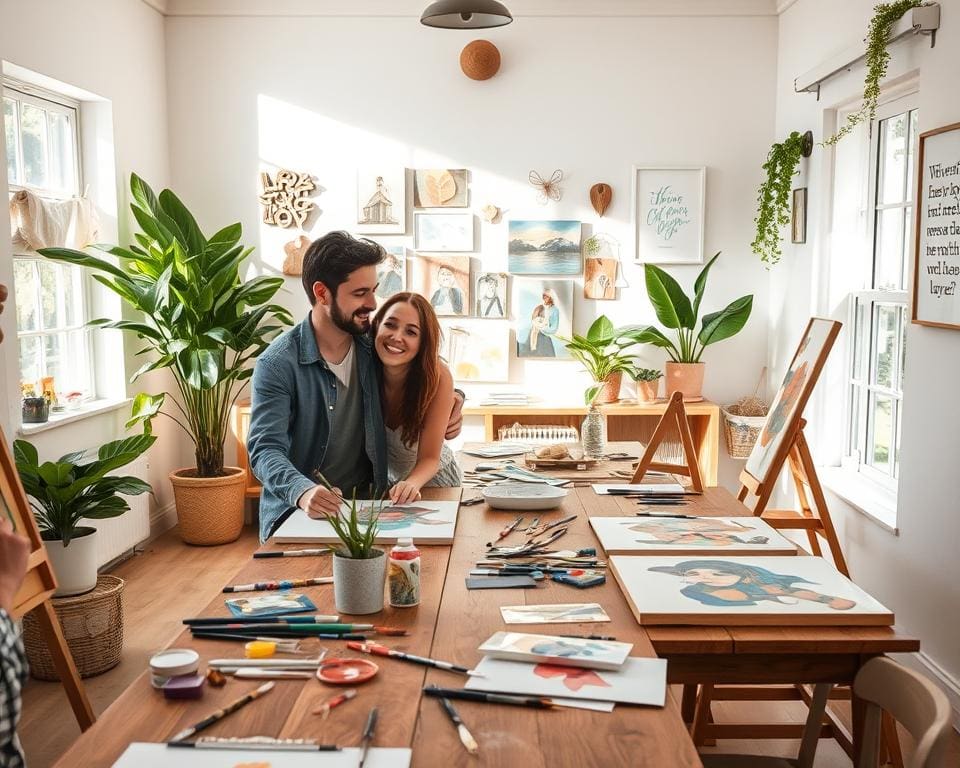
Creative workshops for couples offer more than a night out; they invite partners to learn, make and laugh together. Structured, instructor-led sessions — from pottery at London Pottery Studio to cookery classes at Leiths or The Cookery School at Little Portland Street — give couples a clear task and a tangible result, whether that’s a ceramic bowl, a shared meal or a photography series.
Unlike passive date ideas for couples, these shared creative experiences require cooperation and spark conversation. The focus on making something together turns ordinary time into purposeful bonding, and the keepsakes that follow act as lasting reminders of joint effort.
These couple bonding workshops suit every stage of a relationship: new partners building rapport, long-term couples seeking to rekindle intimacy, and those who want mindful, tech-free time together. They also fit the UK trend for experiential gifting through providers such as Fever, Buyagift and Virgin Experience Days.
Research from organisations like the British Psychological Society shows that novel, challenging activities can boost relationship satisfaction. Expect practical takeaways here: ways workshops foster connection, the kinds of benefits couples can notice, and how to choose sessions that match your interests and rhythm as a pair.
Why are creative workshops great for couples?
Creative workshops give couples a fresh way to spend time together. Shared projects invite laughter, gentle challenge and discovery. These sessions make space for emotional bonding activities that feel natural rather than forced.
Strengthening emotional connection through shared creation
Working side-by-side encourages interpersonal synchrony. Couples mirror gestures, share attention and tackle small problems together. This pattern of cooperation can trigger oxytocin release and deepen trust.
Practical classes range from painting a joint canvas to composing a song at a songwriting workshop or building a shelf in a beginner carpentry session. Each project offers moments for vulnerability and mutual encouragement.
Finishing a piece brings satisfaction and a shared story. That sense of achievement boosts intimacy, appreciation and understanding between partners.
Building communication skills in a low-pressure setting
Workshops focus on doing, not diagnosing. The task-oriented format reduces defensiveness and opens playful, spontaneous dialogue. Couples practise clear, constructive exchanges without the weight of “fixing” the relationship.
Examples include delegating roles at the pottery wheel, negotiating colour choices in printmaking or giving feedback during a dance class. These micro-interactions often carry over into daily life as better listening and negotiation.
Many UK adult education centres and arts venues design sessions to be accessible and non-intimidating. That approach helps anxious partners feel welcome and ready to try communication through art.
Creating lasting memories and tangible keepsakes
Physical outcomes act as memory anchors. A hand-thrown pot, a set of printed photos or a recipe card made together becomes a cue for positive recall and shared history.
- Frame collaborative artwork to display at home.
- Photograph the creative process and compile a small scrapbook.
- Gift a finished piece to family as a marking of a milestone.
Couples often choose workshops for anniversaries or couples’ creative dates, which makes the experience doubly special. Many UK studios and experience platforms offer presentation options that enhance couple keepsake ideas and turn a moment into a lasting token.
Benefits of creative workshops for relationships and wellbeing
Creative workshops offer couples a gentle route to calm, connection and new skills. Shared art activities invite present-moment focus and flow, lowering stress and supporting mental wellbeing couples can rely on. Choosing a session with mindfulness elements helps partners pause screens and alcohol-centred habits in favour of restorative pastime.
Reducing stress and boosting mental wellbeing together
Paint, pottery and mindful writing encourage deep focus. This reduces cortisol, lifts mood and produces a sense of achievement. Arts-in-health projects run by Arts Council England and local NHS arts-on-referral schemes show how creative therapy for couples can improve mental health.
When couples practise calming creativity together, a shared sense of safety grows. That shared relaxation becomes a coping habit. Try mindful painting, botanical print workshops or nature-based craft sessions to build that routine.
Encouraging mutual support and collaborative problem-solving
Workshop tasks often include limits or technical puzzles that need teamwork. Troubleshooting a glazing issue in ceramics or reworking a photo composition calls for patient negotiation. These small challenges build collaborative problem-solving skills that transfer to everyday relationship matters.
Experienced facilitators — community arts workers, accredited dance teachers or professional chefs — frame tasks as learning opportunities. Their guidance helps partners give useful feedback and take turns leading without judgement.
Enhancing self-expression and empathy within the partnership
Creative formats give each partner space to reveal tastes, memories and private styles that might not surface in routine chat. Watching a partner choose colour or motif opens a window into their inner world and grows empathy through art.
Workshops that balance solo and joint elements, such as split-canvas paintings or duet songwriting, let individuals express themselves while staying connected. Sharing the stories behind creations encourages deeper conversation and a fuller sense of one another.
How to choose the right creative workshop for your relationship
Start by agreeing your aim: do you want intimacy, learning, gentle play or a lively challenge? Identifying goals and energy levels helps when choosing couple workshops. Energetic pairs might favour dance or pottery throwing, while those after calm may enjoy jewellery-making or life-writing. Match the session to how you both feel on the day for a better experience.
Assess experience and access before booking. Look for beginner-friendly couples’ classes or mixed-ability options to reduce anxiety. Many UK venues such as the Royal Academy short courses or local council adult education list prerequisites and accessibility details. Check instructor credentials and reviews on Eventbrite, Meetup or studio pages to ensure the class suits your level.
Think about format, group size and instructor style. Smaller, private or couples-only sessions allow more connection and personalised tuition, whereas larger social classes suit extroverts. Ask whether materials are provided, how long the session runs, if there are breaks, and whether finished pieces can be taken home the same day — vital for ceramics or printmaking.
Balance budget, location and timing when using workshop selection tips. Drop-in tasters and community classes are budget-friendly; specialist masterclasses or private bookings cost more. Search local arts centres, galleries and experiential gift platforms for the best workshops for couples UK. Finally, prepare mentally: be playful, prioritise fun over perfection, photograph the day and plan a follow-up activity to keep the momentum alive in your relationship.