The West End has been London’s theatrical heart for centuries. Venues such as Theatre Royal Drury Lane and the Royal Opera House link today’s shows to a long lineage of Victorian melodrama, Edwardian operetta and 20th‑century musical innovation. This history helps explain why West End theatre popularity endures.
International reputation also plays a part. Alongside Broadway, the West End draws major touring productions, award‑winning creative teams and celebrated performers. That recognition keeps London theatre nights in the headlines and on travellers’ itineraries.
But the appeal is not only historical or reputational. A night at the theatre offers a complete experience: the hush before the curtain, striking sets and costumes, live orchestration and the shared laughter or gasp from the audience. For locals and visitors alike, such moments show why West End is famous as a place where an ordinary evening can become unforgettable.
Why are theatre nights in the West End popular?
The appeal of a West End evening rests on a mix of history, high-calibre performance and a magnetic district vibe. Patrons come for the art and stay for the ritual of gathering in a place where theatre feels woven into the city.
Historical prestige and cultural heritage
The streets around Shaftesbury Avenue and the Strand are lined with theatres whose façades recall Victorian and Edwardian grandeur. Buildings such as the Lyceum, Adelphi and Wyndham’s carry stories of premieres by Noël Coward and Harold Pinter. That deep West End history gives each visit a sense of continuity with British dramatic heritage.
Institutions like the Society of London Theatre document how these venues shaped national culture and the economy. Audiences prize the authenticity of watching new work beneath prosceniums that have hosted generations of artists.
World-class productions and star talent
West End productions range from long-running hits like Les Misérables and The Phantom of the Opera to transfers such as Hamilton and Matilda. Producers invest heavily in directors, designers and orchestration to meet exacting standards.
Producers often cast prominent performers from stage and screen, creating headline runs that draw crowds. London theatre stars help turn a show into a must-see event for both local theatre-goers and international visitors.
Accessible location and theatre district atmosphere
Theatre clusters around Covent Garden, Leicester Square and Piccadilly Circus make it simple to combine a show with dinner or a late drink. Tube stations nearby and plentiful bus routes increase convenience for residents and tourists alike.
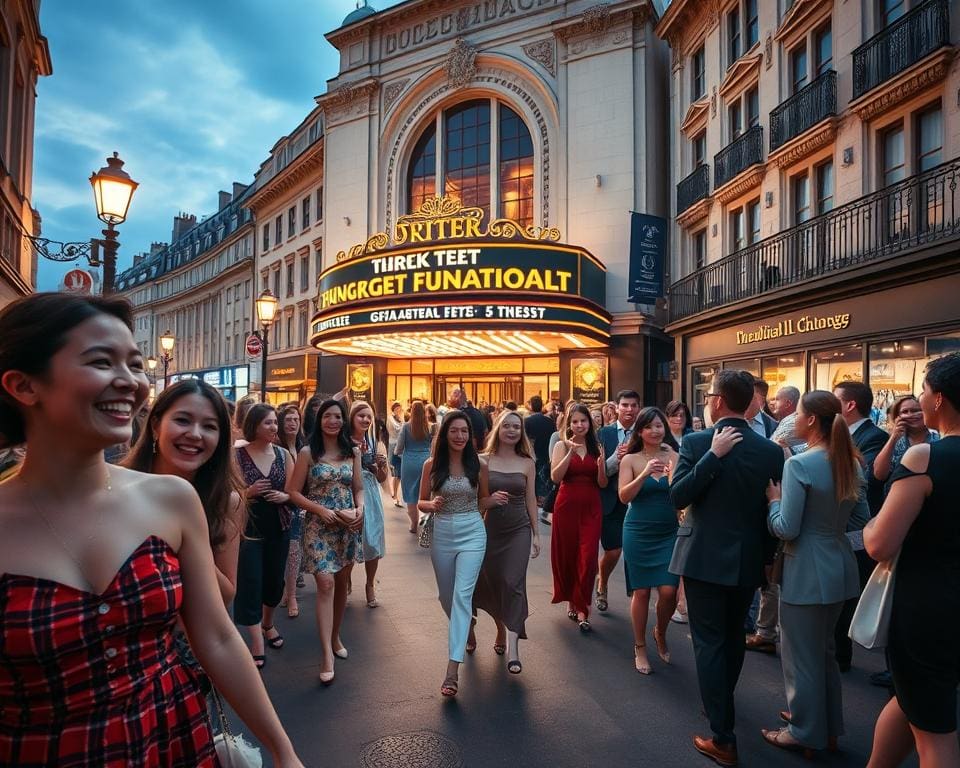
The evening footfall creates a lively, celebratory theatre district atmosphere. That buzz amplifies the night out, turning an individual performance into a shared urban ritual that keeps audiences returning.
What makes the West End theatre experience unique for audiences
The appeal of a night in the West End rests on more than a single element. Audiences arrive ready for spectacle, story and sociability. The blend of technical skill, creative programming and surrounding hospitality turns an ordinary evening into something memorable.
High production values set many West End shows apart. Lavish sets, bespoke costumes and full orchestras lift the drama off the stage. Automation, fly systems and sophisticated lighting add precision and scale. These production values West End companies commit to give every scene cinematic impact while remaining alive and immediate.
There is a wide range of work on offer. From revival musicals at the Adelphi to new plays at the National Theatre, choices suit varied tastes. The variety of shows London presents spans blockbuster spectacle, intimate drama and immersive experiences. That range invites repeat visits and keeps the programme fresh for first-timers and regulars alike.
Live theatre sparks direct responses that recorded media cannot reproduce. Laughter, applause and shared gasps build a communal mood. That theatre audience experience creates bonds between strangers in the stalls and makes emotions feel larger and truer in company.
The evening often begins or ends away from the stage. Pre-theatre menus, wine bars and district pubs welcome crowds before curtain and after the final bow. Theatre dining London ranges from elegant brasseries in Covent Garden to cosy gastropubs near Leicester Square. These options extend the night and shape its celebratory tone.
- Technical excellence that amplifies storytelling
- Programming diversity for many tastes
- Communal reactions that deepen emotional impact
- Hospitality that completes the night out
Taken together, technical mastery, varied programming, live audience energy and nearby hospitality create a holistic West End theatre experience. That mix appeals across generations and reasons for visiting, whether celebrating milestones, sampling British culture or following a favourite company.
Practical reasons theatre nights remain a popular choice in the UK
The West End’s appeal is rooted in practical reasons West End popularity that make theatre nights easy to plan and enjoy. Ticketing platforms such as TodayTix and ATG Tickets, alongside official box offices and TKTS booths, offer a wide range of price bands. From premium stalls to discounted day seats and standing tickets, theatre ticket affordability means students and budget-conscious audiences can still see top productions.
Scheduling and convenience keep theatre nights viable for modern life. Frequent evening performances, weekend matinees and flexible showtimes fit work and family routines. The concentration of venues means transport to West End is simple, allowing visitors to combine a show with dining and sightseeing in one go, cutting down on travel time and logistical friction.
There are clear economic and social incentives that sustain the habit of going to the theatre. West End shows boost the night-time economy, supporting restaurants, taxis and hotels, while many local businesses run offers for theatre-goers. Group theatre nights, corporate hospitality and gift vouchers make the experience appealing for celebrations and team-building, adding social value beyond the performance itself.
Practical improvements in inclusivity have widened the audience. Increasing numbers of venues now provide captioned performances, audio description, relaxed shows for neurodiverse patrons and better step-free access. These measures enhance theatre accessibility and ensure the West End remains an inviting, achievable option for a broad cross-section of UK society.