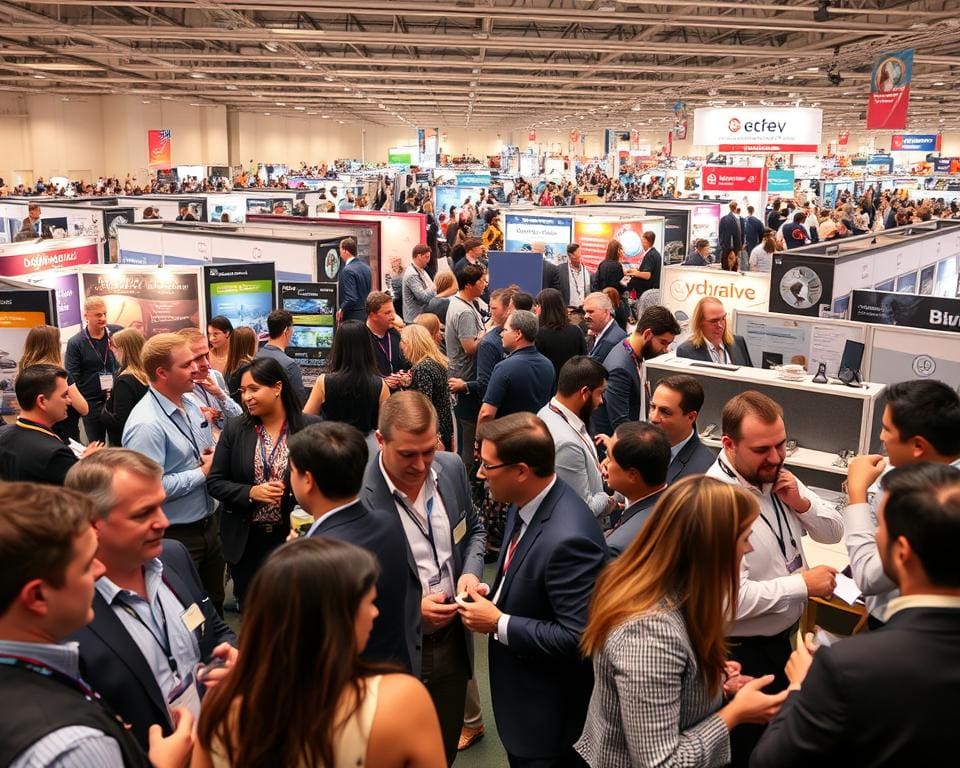
In an ever-evolving business landscape, the relevance of fairs in B2B lead generation continues to shine brightly. Business fairs and trade shows offer unique opportunities for organisations to showcase their products and services, enabling direct engagement with potential clients. These networking events facilitate authentic connections that extend beyond digital interactions, fostering relationships that are crucial in today’s competitive market. With studies revealing that over 75% of attendees deem trade shows essential for their purchasing decisions, it is clear that fairs remain a vital platform for effective B2B lead generation.
The Enduring Appeal of Fairs in the Digital Age
In a landscape dominated by digital marketing, many businesses face challenges in forging authentic connections. Fairs serve as a unique platform for networking, allowing individuals to interact directly and engage in meaningful conversations. The human element becomes paramount in these settings, where participants can establish bonds that transcend traditional business interactions.
Building Authentic Connections
Fairs facilitate an environment where authenticity thrives. Attendees can share ideas, experiences, and insights, fostering relationships that lead to long-term partnerships. Such face-to-face engagement often creates a lasting impression, enhancing the likelihood of future collaboration. When professionals connect over shared interests, the foundation for trust is solidified, paving the way for mutual growth.
Engagement Beyond Digital Screens
The reliance on digital tools can sometimes result in a sense of detachment. Events like fairs offer respite from screens, inviting individuals to experience products and services up close. This personal interaction elevates the marketing experience, allowing businesses to showcase their offerings in an engaging manner. Through these experiences, attendees can appreciate nuances that digital marketing often fails to convey.
Why do fairs remain relevant for B2B lead generation?
In today’s fast-paced digital marketplace, the importance of trust and credibility has become paramount for B2B lead generation. Fairs offer an unparalleled opportunity to nurture these essential elements, transforming potential connections into reliable relationships.
Establishing Trust and Credibility
Fairs provide a unique platform where businesses can physically demonstrate their products and services. This tangible presence fosters a sense of trust, as potential clients can see, touch, and experience offerings firsthand. Unlike the virtual realm, face-to-face meetings at fairs allow companies to showcase their expertise and authenticity effectively, reinforcing their commitment to quality. This personal interaction plays a vital role in elevating the credibility of a brand, transforming fleeting interest into meaningful dialogue.
Face-to-Face Interactions: The Human Element
The essence of B2B relationships lies in connecting on a human level. Fairs serve as a vibrant hub for face-to-face meetings, enabling businesses to engage with their audience in a manner that digital channels cannot replicate. These interactions nurture stronger relationships and build rapport, encouraging long-term partnerships and loyalty. The human element of these events helps in establishing a community around a brand, further enhancing collaboration and mutual growth.
Networking Opportunities at Fairs
Attending fairs presents businesses with unmatched networking opportunities that can significantly bolster growth. These events create an ideal environment where companies can meet potential partners and clients, fostering B2B partnerships that might not arise in traditional settings. In addition to meeting new contacts, fairs provide ample chances to enhance existing client relationships.
Meet Potential Partners and Clients
Fairs are not merely bustling venues for product display; they serve as vibrant spaces where relationships flourish. Engaging with attendees allows businesses to discuss common interests, explore collaborative possibilities, and enhance their visibility within the industry landscape. Establishing trust and rapport in these face-to-face interactions lays the groundwork for fruitful business development.
Leveraging Existing Relationships
The value of fairs extends to strengthening established ties. Existing clients attending these events may introduce businesses to new prospects, broadening the network and enhancing visibility. These interactions not only reaffirm previous collaborations but also create new pathways for growth. Sustaining and expanding client relationships through personal contact at fairs can lead to innovative ventures and enduring success.
The Power of Experiential Marketing
Experiential marketing transforms traditional advertising into an engaging and memorable experience. Fairs epitomise this approach, allowing brands to immerse attendees in their offerings. Through unique interactions, businesses can cultivate genuine connections, making a lasting impression.
Interactive Exhibits that Captivate
Interactive exhibits serve as a focal point at fairs, drawing in visitors with appealing displays and hands-on activities. These engaging setups encourage customer engagement by allowing attendees to touch, feel, and interact with products. As a result, participants not only gather information but also form a stronger emotional connection to the brand.
Demonstrating Products Live
Live demonstrations play a crucial role in showcasing the practical applications and benefits of products. Observing a product in action creates an experiential learning opportunity, fostering trust and interest. Businesses that incorporate these demonstrations often see increased customer engagement, as potential clients experience firsthand the quality and uniqueness of what is being offered.
Targeting Specific Industries
Fairs are increasingly becoming a vital platform for businesses aiming to penetrate targeted marketing strategies aimed at specific audiences. By participating in industry-specific events, organisations not only showcase their offerings but also create opportunities to directly engage with the unique needs of their market.
Customised B2B Experiences
Creating customised experiences allows companies to connect meaningfully with potential clients. Tailored approaches resonate more with attendees, showcasing not just products, but the value they can bring to specific niches. This focus on tailored engagement leads to enhanced participation and brand recall.
Connecting with Niche Markets
Industry-specific fairs provide an excellent environment for targeting niche markets. Businesses can effectively network with key decision-makers, allowing for interactions that may lead to fruitful partnerships. This strategic positioning amplifies brand visibility within specific sectors, ensuring that marketing efforts align closely with audience needs and expectations.
Adapting to Modern Trends in Lead Generation
In the rapidly changing landscape of B2B marketing, businesses must embrace modern trends to remain relevant in lead generation strategies. Modern fairs are evolving by integrating cutting-edge technology, which not only enhances the attendee experience but also broadens participation through virtual components. This evolution allows companies to connect with a wider audience, making the lead generation process more dynamic and inclusive.
The utilisation of social media and data analytics within fairs provides invaluable insights into attendee behaviour and preferences. By harnessing these tools, organisations can tailor their engagement strategies to meet the specific needs and interests of potential clients. Additionally, mobile applications offer convenient access to information and facilitate networking among participants, enhancing the overall value of the event.
Another significant aspect of adapting to modern trends is the incorporation of automation tools for follow-up communications after events. This not only streamlines the outreach process but also significantly improves conversion rates, making the most of the opportunities that arise during these face-to-face interactions. By leveraging technology in fairs alongside traditional methods, businesses can ensure they are well equipped to thrive in an ever-evolving marketplace.