
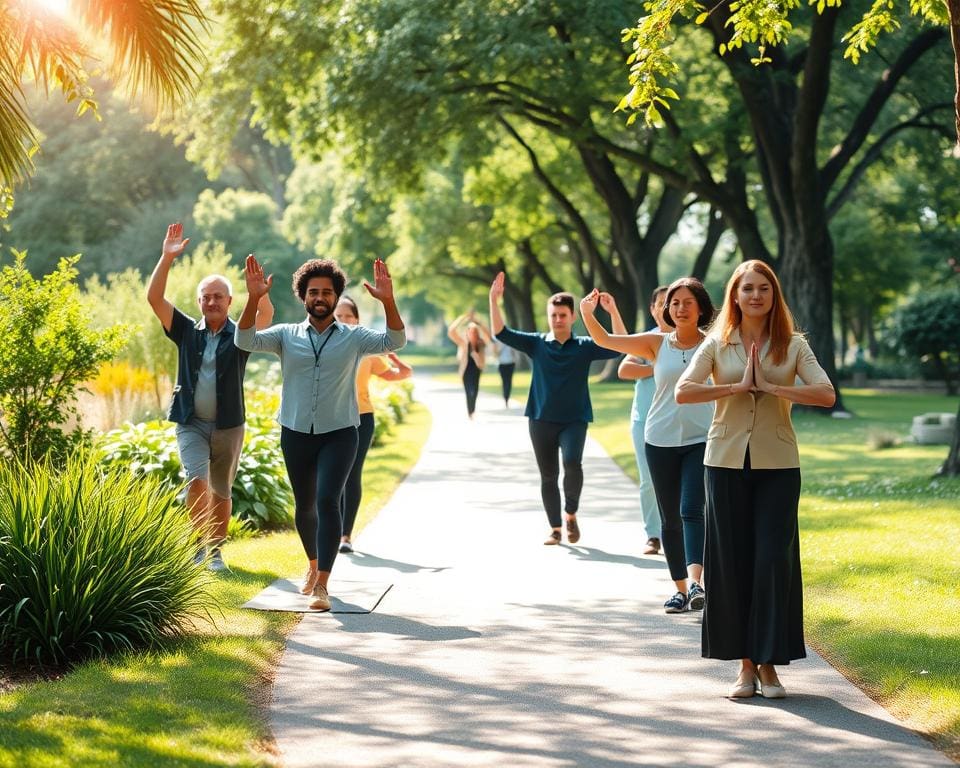
In today’s fast-paced world, the pursuit of balance in life is increasingly deemed essential for maintaining both mental health and physical health. As many individuals find themselves grappling with a multitude of daily pressures, lifestyle activities have emerged as a vital retreat. These pursuits, which include everything from invigorating physical exercise to nurturing mindfulness practices and enriching social interactions, serve as a cornerstone in the quest for equilibrium. Notably, the UK Office for National Statistics reveals that a considerable number of adults feel overwhelmed, propelling the shift towards activities that promote a sense of stability.
Researchers from esteemed institutions, such as the University of Oxford, have illuminated the positive connection between an active lifestyle and enhanced mental resilience. As such, it becomes clear that engaging in lifestyle activities not only enriches one’s daily experience but also cultivates sustained mental health. This introduction sets the stage for a deeper exploration into the significance of achieving balance through the lifestyle choices one makes.
The Importance of Balance in Modern Life
In the whirlwind of modern existence, the quest for balance becomes paramount. Individuals face countless life demands, including work responsibilities, family commitments, and financial strains. Recognising these stressors plays a key role in maintaining personal harmony. Without this balance, the risk of burnout and anxiety increases significantly.
Understanding Life’s Demands
Today’s society bombards us with numerous responsibilities, creating a constant juggle of priorities. Each facet of life, from professional obligations to personal relationships, can challenge our ability to achieve stability. The pressures of daily life may lead to feelings of overwhelm and stress, which can erode overall quality of life. Acknowledging these life demands is crucial in developing effective stress management strategies.
The Need for Mental Well-being
Mental well-being stands as a fundamental aspect in the pursuit of balance. It directly influences how we perceive, process, and react to our experiences. Engaging in activities that foster this well-being, such as exercise, meditation, or social connections, significantly enhances life satisfaction. Prioritising mental health not only mitigates stress but also cultivates resilience, enabling us to navigate life’s challenges with greater ease.
Why do people choose lifestyle activities for better balance?
People are increasingly turning to lifestyle activities to cultivate balance in their lives. The motivations behind these choices often stem from a desire for improved physical health, enhanced social interactions, and techniques for maintaining mental clarity. By engaging in various activities, individuals aim to boost their overall well-being.
Integrating Physical Movement
Integrating physical movement into daily routines is a fundamental aspect that many prioritise. Regular exercise does not only sharpen physical capabilities but also releases endorphins, leading to a happier, more fulfilled life. Following guidelines from health experts, individuals are encouraged to partake in at least 150 minutes of moderate aerobic activity each week. This commitment aids in maintaining better health, thus contributing to a balanced lifestyle.
Fostering Social Connections
Fostering social connections through shared activities plays a pivotal role in enhancing emotional resilience. Group settings provide an avenue for camaraderie, as people bond over common interests and support one another. Engaging in these social settings not only combats loneliness but also improves mental health, as recognised by numerous studies. Strong relationships formed through lifestyle choices contribute significantly to one’s overall sense of belonging and emotional stability.
Creating Mindfulness Practices
Creating mindfulness practices, such as meditation or yoga, offers significant benefits for mental clarity and stress relief. These activities help individuals centre their thoughts and maintain calm in often-chaotic lives. Engaging in mindfulness fosters an awareness that can significantly reduce anxiety, making it an essential part of a balanced lifestyle. With findings from various institutions, it is evident that incorporating mindfulness into daily routines can lead to profound mental health benefits.
Popular Lifestyle Activities for Achieving Balance
Exploring various lifestyle activities can significantly contribute to achieving a more balanced life. This section delves into activities that not only enhance physical health but also nurture emotional well-being, allowing individuals to thrive in today’s fast-paced world.
Yoga and Mindfulness
Yoga stands out as one of the most popular lifestyle activities, offering both physical postures and mindful practices. Incorporating yoga into daily routines promotes flexibility and strengthens the connection between body and mind. This practice allows individuals to cultivate inner peace and focus.
Outdoor Pursuits
Engaging in outdoor activities, such as hiking or cycling, brings many benefits. These pursuits link individuals to nature, enhancing physical fitness while improving mood through natural surroundings. Exposure to fresh air and sunlight fosters a deeper appreciation for the environment and contributes to overall well-being.
Fitness Classes and Community Groups
Participating in community fitness classes and local groups offers a unique blend of physical activity and social interaction. These gatherings enable individuals to discover new interests and forge connections with others. Platforms like Meetup facilitate finding nearby classes that cater to diverse interests, reinforcing a sense of community while promoting healthier lifestyles.
The Psychological Benefits of Lifestyle Activities
Engaging in lifestyle activities brings a multitude of psychological benefits that can significantly enhance one’s quality of life. As people navigate the challenges of modern living, the impact of these activities on mental health becomes increasingly apparent.
Reduced Stress and Anxiety
Regular participation in lifestyle activities plays a crucial role in stress reduction and alleviating anxiety. Research indicates that consistent physical activity can lower levels of cortisol, the stress hormone. Individuals often experience a sense of calm and relaxation after engaging in such activities, leading to a more balanced state of mind.
Enhanced Mood and Motivation
Involvement in lifestyle activities fosters mood enhancement and motivation. Physical exercise influences neurotransmitters like serotonin and dopamine, which are essential for maintaining positive mood states. A vibrant lifestyle can invigorate one’s spirit, making it easier to tackle daily tasks and pursue personal goals. Ultimately, the connection between lifestyle choices and psychological well-being is vital for fostering a more fulfilled existence.
How Lifestyle Activities Influence Physical Health
Engaging in lifestyle activities plays a vital role in enhancing physical health. The benefits encompass both improved fitness levels and bolstered immune system function. Regular participation in these activities can significantly contribute to overall well-being.
Improving Physical Fitness
Physical fitness improvement emerges as a key advantage of incorporating lifestyle activities into daily routines. The NHS encourages individuals to engage in exercises that elevate heart rates, such as brisk walking, cycling, or dancing. These activities not only enhance cardiovascular health but also improve muscle strength and endurance. Participation in regular physical activity reduces the risks of chronic illnesses, further enhancing the quality of life.
Boosting Immune System Function
The immune system benefits greatly from a consistent exercise regimen. Research underscores that moderate physical activity stimulates the production of antibodies and T-cells, which are essential for defending the body against infections. By incorporating lifestyle activities into one’s routine, individuals can promote a more resilient immune system, thus reducing susceptibility to various illnesses.
Incorporating Lifestyle Activities into Daily Routines
Integrating lifestyle activities into your daily routine can offer transformative benefits for both mental and physical well-being. To create sustainable healthy habits, it is essential to set realistic, achievable goals. The Behavioural Insights Team in the UK emphasises that small, manageable changes can lead to more consistent engagement in lifestyle activities. Consider starting with just ten minutes of yoga or a short brisk walk each day, gradually incorporating more elements as you begin to adapt to this integration.
Leveraging technology can also enhance your journey towards lifestyle integration. Fitness apps can provide encouragement and track your progress, motivating you to remain committed to your routine. Additionally, online classes can offer variety and convenience, allowing you to explore new activities from the comfort of your home while fitting them easily into your schedule.
Another effective strategy for maintaining consistency is to make your lifestyle activities a social undertaking. Inviting friends or family members to join you can foster accountability and increase enjoyment. Whether it’s a group workout or a shared mindfulness session, engaging with others not only strengthens bonds but enhances the overall experience. Ultimately, incorporating lifestyle activities into your daily routine is not just about finding balance; it’s about cultivating a flourishing life filled with purpose and joy.