Choosing energy-efficient windows is only the first step. Why is a window installer key for energy efficiency? Because even the best triple-glazed, low-E units with argon fill will fail to deliver if they are poorly sited, sealed or aligned.
A skilled installer affects measurable outcomes: U-values that reflect heat loss, G-values that govern solar gain, airtightness measured in air changes per hour, and the risk of condensation and thermal bridging. Professional window fitting changes real-world performance, not just lab figures.
In the UK context, Building Regulations Part L, Energy Performance Certificates and guidance from bodies such as the British Fenestration Rating Council shape expectations. Window installer energy efficiency decisions must account for our cool, temperate climate and variable solar gain across the country.
This article adopts a product-review approach that balances system specification with installer skill. Readers will learn how to compare energy-efficient windows and evaluate installers so they can cut bills, boost comfort and support national decarbonisation goals.
Why is a window installer key for energy efficiency?
Expert installers turn a product into performance. A short, careful on-site review helps identify where heat escapes and where moisture will settle. This initial window assessment thermal loss guides choices that protect comfort, reduce bills and preserve the building’s character.
Role of professional assessment in energy performance
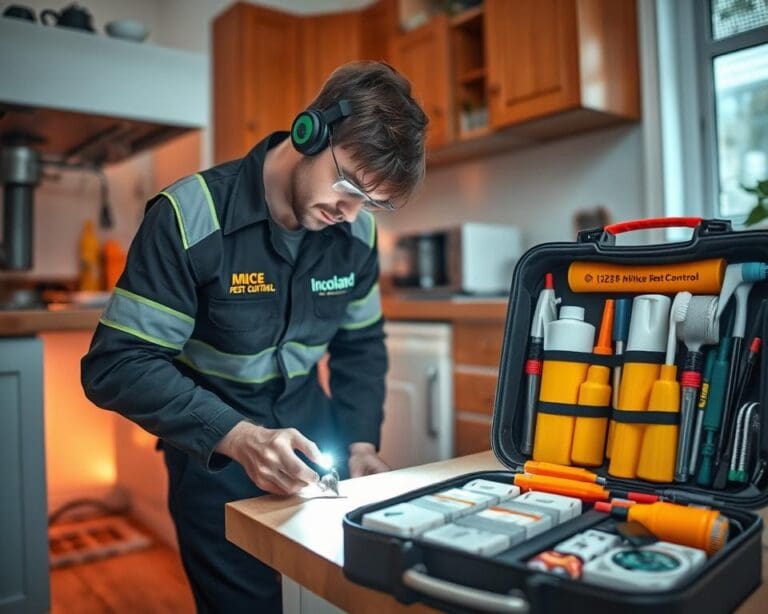
Professional teams use thermal imaging, smoke pens and hygrometers to map weak spots and moisture risk. These tools make assessing draughts and condensation clear and measurable. Installers cross-check findings with guidance from the Energy Saving Trust and BEAMA to avoid one-size-fits-all fixes.
Reports include practical actions linked to a professional window specification. That specification sets target U-values and identifies where secondary glazing or repairs will deliver best value.
Specifying the right glazing, frames and seals
Understanding U-value explanation helps homeowners compare glazing options. Installers balance U-value with G-value and whole-window ratings to suit orientation and occupancy. The aim is to match thermal performance to the property’s needs.
Selecting window seals is a vital step. Choices range from compression gaskets to brush seals and mechanical locks. Installers recommend seals that cope with expected movement, weather exposure and maintenance levels.
Frame material matters. uPVC gives low upkeep and good thermal performance. Timber offers warmth and character. Aluminium needs thermal breaks to avoid conductive loss. Installers shape a package that fits the building style and climate.
Installation technique and its impact on efficiency
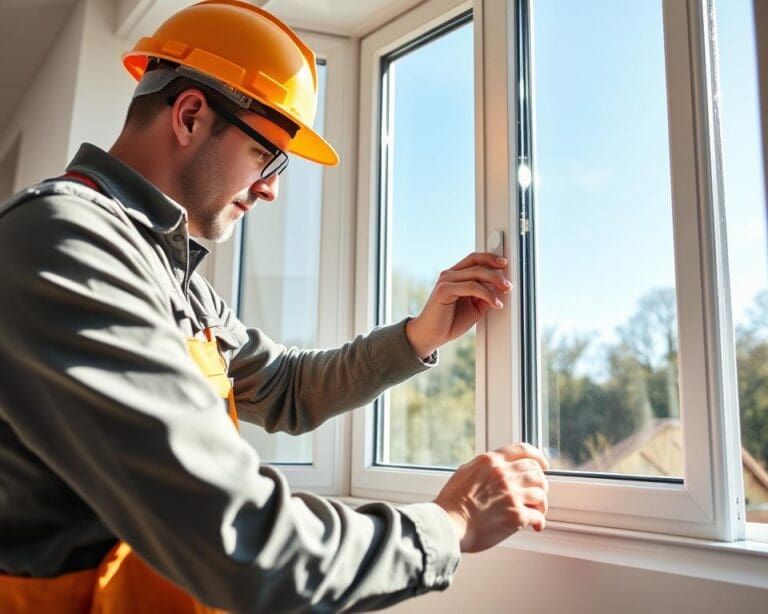
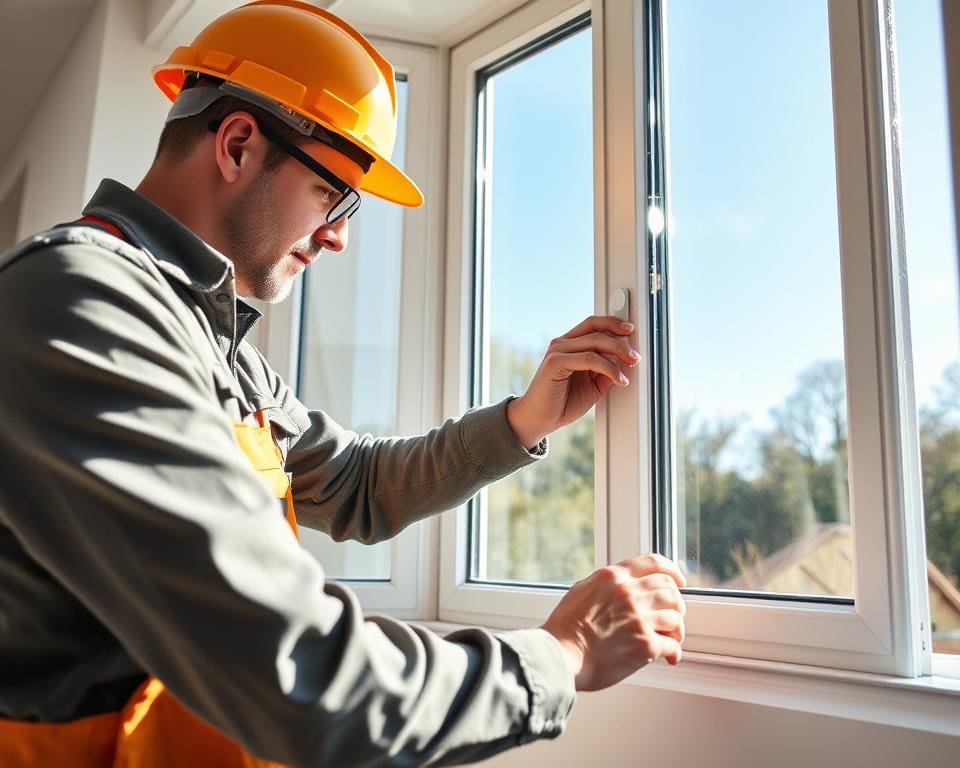
Tight workmanship keeps high-performance glazing working as designed. Proper insulation of the gap between frame and masonry avoids thermal bridging at cill and head. Installers use correct packers, approved fixing patterns and breathable sealants to maintain continuity with wall insulation.
Poor fitting can negate low U-values through infiltration or frame distortion. Accredited installers protect warranties and performance with manufacturer-approved methods and guarantees. This level of care makes energy savings real rather than theoretical.
How professional installers reduce running costs and carbon footprint
Professional installers change more than frames. They match glass, frame and seals to your home to reduce heat loss in winter and limit heat gain in summer. Thoughtful choices and precise fitting help reduce running costs windows while improving comfort and resale appeal.
Link between proper installation and lower energy bills
Correctly specified glazing with low U-values cuts space heating demand. Solar control coatings and suitable G-values limit unwanted summer heat. Careful installation prevents draughts and thermal bridging so lower energy bills window installation becomes real for UK households.
Installers often assess orientation and suggest shading or ventilation to reduce overheating on south-facing windows. Real-world repairs and replacements can deliver measurable savings, from modest reductions in terrace homes to larger gains in poorly insulated detached houses.
Contribution to home energy ratings and EPC improvements
High-performance windows fitted to manufacturer standards can improve fabric efficiency on an EPC. Installers supply documented performance metrics that accredited domestic energy assessors use for reassessment, supporting EPC improvement windows and access to grants and finance.
Improved ratings make properties more marketable. Buyers value certified work backed by FENSA or TrustMark, which reassures them about quality and helps sustain property value.
Supporting decarbonisation and sustainability goals
Reducing heating demand cuts household CO2, linking windows and carbon footprint directly to everyday choices. Installers can estimate savings using SAP-based or EPC methods, giving homeowners clear figures to inform decisions.
Many installers now source products with recycled content, FSC-certified timber or high recycled aluminium and provide environmental product declarations. Advising on lifecycle impacts and end-of-life recyclability helps homeowners choose sustainable window choices UK that lower embodied carbon and extend product life.
Choosing the right window installer in the UK
Finding the right partner for a window upgrade blends technical checks with common-sense judging. Take time to verify credentials, inspect past work and ask direct questions to avoid costly mistakes. A confident, transparent installer will make energy gains measurable and long lasting.
Look for a TrustMark FENSA installer as a first step. TrustMark is government‑endorsed and signals consumer protection. FENSA registration shows compliance with Building Regulations for replacement windows in England and Wales.
Check membership of the Glass and Glazing Federation or evidence of BFRC ratings for product performance. An accredited window fitter will hold manufacturer authorisations, liability insurance and public indemnity cover. Manufacturer accreditation matters because many guarantees require an authorised installer to validate the warranty.
Questions to ask before hiring an installer
- Are you TrustMark and FENSA registered?
- What are the U‑values and Window Energy Ratings of the proposed units?
- Is the warranty manufacturer‑backed and what does the window installer warranties cover?
- Who will be responsible for scaffold, protection and site clean‑up?
- Can you supply references and photos of similar projects?
These questions for window installers reveal technical depth and willingness to back work with clear documentation.
Red flags and how to get reliable quotes
A vague specification or anonymous product names should raise concern. Low‑ball pricing that omits fixings, flashing or appropriate sealants often leads to failures. Avoid firms that demand large deposits without a signed contract.
Ask for three detailed quotes and compare on specification rather than price alone. A reliable quote will itemise frame material, glazing spec, U‑ and G‑values, fixing method, insulation, timescale, warranty and payment schedule.
Request manufacturer reference numbers for the exact product and insist on written guarantees that explain remedial procedures for defects. This approach helps you choose window installer UK with confidence and protects your home investment.
Product review considerations: comparing window systems for efficiency
Choosing between double glazing vs triple glazing UK depends on property orientation, budget and comfort goals. Double glazing is cost‑effective for many UK homes, offering improved U‑values and quicker payback in moderate climates. Triple glazing gives lower U‑values and better acoustic performance, which suits cold‑climate properties or large glazed areas, but it costs more and can reduce winter solar gain if the building is poorly oriented.
Frame choice matters as much as the glass: uPVC vs timber vs aluminium windows each bring trade‑offs. uPVC offers low maintenance and strong thermal performance with multi‑chamber profiles. Timber delivers natural insulation and aesthetic appeal but demands regular redecoration. Aluminium yields slim sightlines and structural strength for wide spans, provided thermal breaks and robust seals are used. Composite frames combine benefits for homeowners seeking balance between look and performance.
Pay attention to low‑E coatings spacer bars and gas fill argon krypton when comparing sealed units. Warm‑edge spacer bars cut edge heat loss and reduce condensation risk. Low‑E coatings control long‑wave heat transfer while retaining visible light. Gas fills such as argon suit wider cavities; krypton is more effective in narrow gaps typical of triple glazing but costs more. Accredited installers will specify the right combination and confirm sealed‑unit standards.
Fit, finish, lifespan and warranty determine long‑term value. Correct flashings, sill gradients and durable seals protect airtightness, while mechanical fixings and allowance for thermal movement reduce maintenance. Expect quality uPVC to last 20–30+ years, timber and aluminium often 30+ years with appropriate care. Check what the window lifespan maintenance warranty covers for sealed units, hardware, frames and workmanship. The best outcome blends the right glazing, suitable frame material and accredited installation to deliver comfort, lower bills and lasting performance.