Achieving balance in home decoration is not just a matter of aesthetics; it is essential for creating a space that feels harmonious and welcoming. The importance of balance lies in its ability to offer visual stability, allowing each element within a room to coexist seamlessly. This equilibrium enhances the overall interior design appeal, ensuring that no single feature overwhelms another. Furthermore, a balanced environment fosters comfort and personal expression, making it vital for anyone looking to curate their ideal living space.
The Concept of Balance in Interior Design
Understanding the concept of balance is fundamental for achieving home harmony through interior design. This principle dictates how elements within a space interact with one another. Creating a balanced environment ensures that no single item overwhelms others, fostering a sense of tranquility and order.
The concept of balance often aligns with essential interior design principles, which include proportion, scale, and harmony. Each element should complement the others, contributing to an aesthetic that feels cohesive and inviting. For instance, combining different textures and colours can enhance this balance, encouraging a harmonious flow throughout the space.
Establishing balance in a room enhances not only its beauty but also its functionality. Well-balanced spaces promote a sense of well-being and can significantly affect the mood of those who inhabit them. To achieve this, place emphasis on symmetry or asymmetry depending on the desired effect, ensuring that each piece has its place within the broader context of the room.
Understanding Different Types of Balance
In the realm of interior design, achieving harmony through balance is essential. There are two primary types of balance one can employ in home decoration: symmetrical balance and asymmetrical balance. Each type serves a distinct purpose and can dramatically influence the overall aesthetic of a space.
Symmetrical Balance
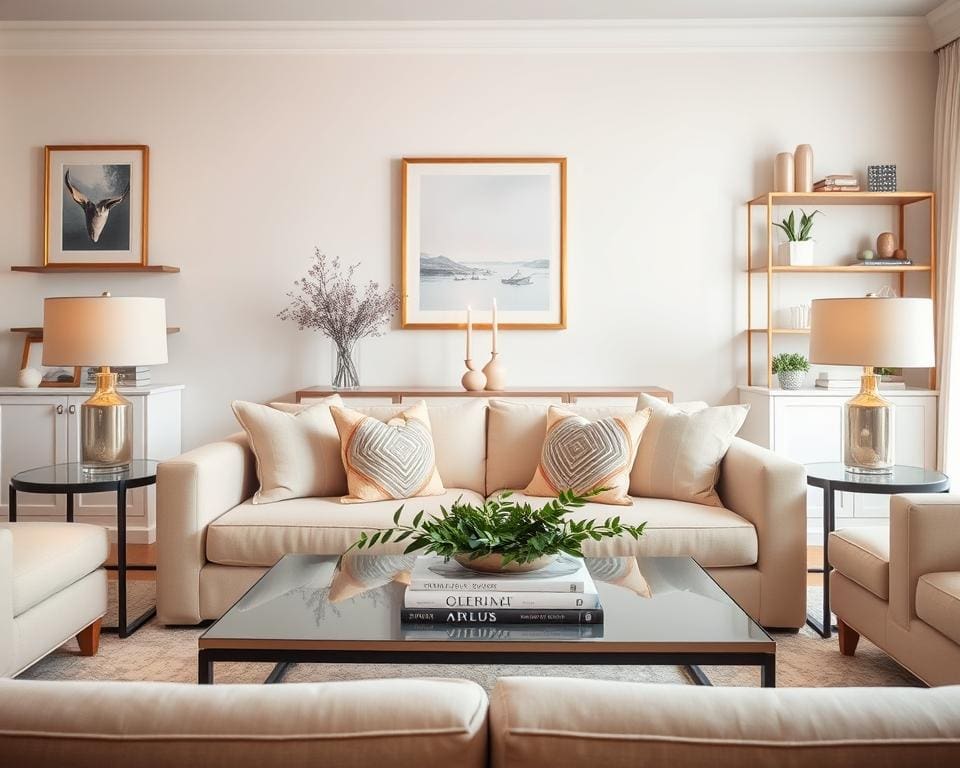
Symmetrical balance, characterised by an equal distribution of visual weight, offers a sense of formality and order. This approach often features identical elements, such as matching sofas placed opposite each other or paired lamps flanking a central table. Renowned design studios frequently utilise this type of balance to create elegant and cohesive living spaces. For instance, a lounge showcasing a symmetrical arrangement may evoke serenity and sophistication, making it an ideal choice for formal settings.
Asymmetrical Balance
In contrast, asymmetrical balance provides a more relaxed and dynamic arrangement. This type focuses on balance through the combination of varied elements while maintaining visual interest. A well-executed asymmetrical layout might feature a bold artwork on one side of the room paired with contrasting furniture on the opposite side. This balance type encourages creativity, allowing designers to mix textures, colours, and shapes. Leading design brands often favour asymmetrical balance for creating inviting and spirited interiors that reflect personal style.
How Balance Enhances Aesthetic Appeal
Creating a balanced interior is essential for enhancing the aesthetic appeal of any space. Balance promotes visual harmony, making environments feel more inviting and tranquil. By harmonising colours, textures, and spaces, occupants can experience a profound sense of relaxation that positively impacts their overall well-being.
Incorporating a mix of bold and neutral colours offers a stunning design impact while ensuring that each element complements rather than competes. For instance, pairing vibrant artwork against neutral walls allows creativity to shine without overwhelming the senses. This deliberate choice contributes to a cohesive look that resonates both visually and emotionally.
Design elements such as furniture selection and arrangement play a pivotal role in achieving balance. Appropriately sized furnishings that align with the scale of the room support a feeling of equilibrium. Careful consideration of these elements creates a seamless connection between various aspects of the décor, reinforcing visual harmony.
A study of colour theory reveals that lighter tones can expand spaces while darker shades suggest intimacy. A combination of soft colours provides a serene backdrop that promotes feelings of comfort. Incorporating a thoughtful colour palette enriches the emotional impact of a room, fostering a tranquil atmosphere.
Ultimately, the design impact of a balanced arrangement enhances not only the aesthetic appeal but also supports positive interactions among inhabitants and guests. The psychological influence of a well-balanced space cannot be overlooked, as it cultivates a sense of warmth and connection, making all who enter feel at home.
Why is balance important in home decoration?
The importance of balance in decoration cannot be overstated. When designing a home, achieving harmonious living spaces is essential for creating an environment that nurtures well-being. Spaces that feel balanced bring about a sense of tranquillity, enabling residents to unwind and feel at ease. In contrast, poorly balanced environments can lead to feelings of discomfort and chaos, often increasing stress levels.
Interior design experts emphasise that the emotional design impact of balanced decor goes beyond aesthetics. Well-arranged elements invite positivity and calmness into a room, while misaligned arrangements can create tension. For example, using large, bulky furniture without adequate lighter elements can overpower a space, leaving it feeling cramped. A thoughtful approach to proportions fosters an inviting atmosphere.
Case studies highlight the differences in emotional response between cohesive designs and chaotically arranged spaces. Those who reside in environments featuring precise balance often report an improved mood and overall satisfaction with their living area. This illustrates that prioritising the importance of balance in decoration not only enhances visual appeal but also significantly influences emotional well-being.
Creating Harmony Through Colour and Texture
Achieving balance in home décor relies heavily on the thoughtful use of colour and texture. Colour harmony can transform a space, influencing how we feel and perceive the environment around us. When paired correctly, colours can create a serene atmosphere or invigorate a room with energy. Understanding colour theory is crucial for selecting shades that work well together, enhancing the overall aesthetic of the home.
Using Colours Wisely
When it comes to choosing colours, consider the emotional impact each hue can have. For example, blue can evoke calmness, while yellow is associated with cheerfulness. A few tips for using colours wisely include:
- Stick to a cohesive colour palette, selecting two or three primary colours and their complementary shades.
- Incorporate accent colours through accessories or artwork to add visual interest without overwhelming the space.
- Balance bold colours with neutrals to maintain tranquillity.
The Role of Texture in Achieving Balance
In addition to colour, texture in home decor plays an equally vital role in creating a visually cohesive space. Various textures add depth and intrigue, guiding the eye throughout the room. Consider the following aspects to enhance texture in your décor:
- Mix materials such as wood, metal, and fabric for a layered look that is both inviting and balanced.
- Incorporate soft textures, like plush cushions and throws, to create warmth in your living spaces.
- Utilise contrasting textures, such as a smooth table against a rough wall, to highlight specific areas and achieve dynamic balance.
Furniture Arrangement and Spatial Balance
The way furniture is arranged directly influences the spatial balance within a home. A thoughtful furniture layout fosters an inviting atmosphere while promoting functionality. To achieve this balance, pay close attention to key principles, such as traffic flow and focal points.
Traffic flow is essential for maintaining usability within a space. Ensure pathways remain clear and unobstructed, allowing natural movement throughout the rooms. This enhances not only practicality but also the overall harmony of the home arrangement tips. Focal points can serve as anchors in a room, drawing the eye and providing structure to the environment.
When selecting furniture, consider its scale in relation to the room size. Oversized pieces can overwhelm a space, creating a cramped feel, while smaller items may get lost among more substantial elements. Striking the right balance with the proportions of furniture is crucial. Measured planning leads to a more visually pleasing and cohesive ambience.
Another effective strategy is using furniture to create distinct zones within an open layout. For instance, a sofa can separate a lounging area from a reading nook, adding purpose and spatial balance. Introduce some angles in your sofa arrangement for a dynamic feel that promotes an informal, relaxed setting.
Natural light and accessories play vital roles as well, enhancing both colour and texture throughout the space. By following these home arrangement tips, achieving a harmonious balance becomes attainable. Explore further details about optimising your furniture arrangement by checking out this helpful resource.
Balance and Personal Expression in Decor
In the realm of home decoration, the quest for balanced individual style is an essential journey that harmonises personal expression in decor with the principles of design. Embracing your unique design allows for a home that is not only visually appealing but also resonates deeply with your personality. This synthesis of balance and individuality creates spaces that feel both curated and intimate, providing a canvas for self-expression.
Designers advocate for integrating personal items—be it a cherished piece of art or a vintage find—into your decor, but achieving this within a balanced framework is key. The result is a cohesive environment that celebrates your unique taste while maintaining an inviting flow. When each element complements one another, from the furnishings to the decor accents, the entire area can reflect a balanced individual style that speaks volumes about who you are.
Real-life examples often illustrate this beautifully; transform a living room with a blend of contemporary furniture and personal memorabilia, ensuring each piece has its rightful place without overwhelming the viewer. The beauty of home decoration lies in this interplay—where your character emerges robustly yet harmoniously within the space. By embracing balance in your decor, you not only honour your uniqueness but also craft an environment that is genuinely you.