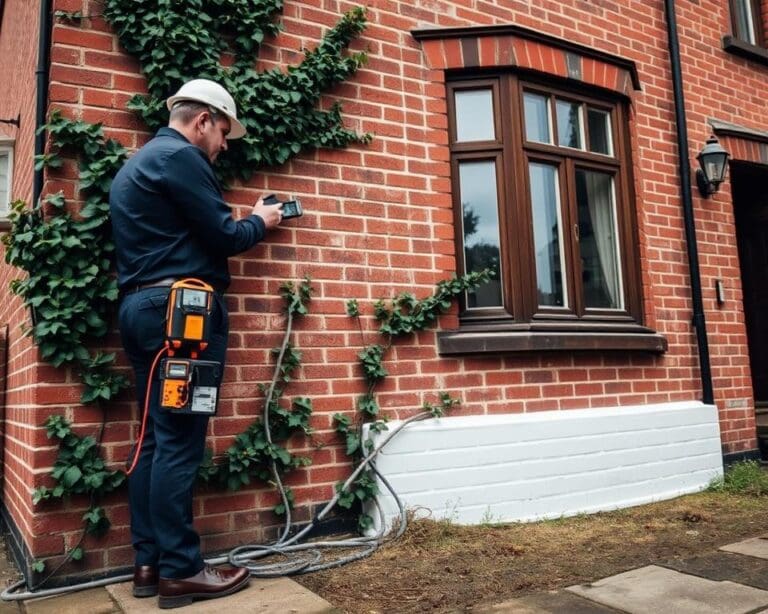
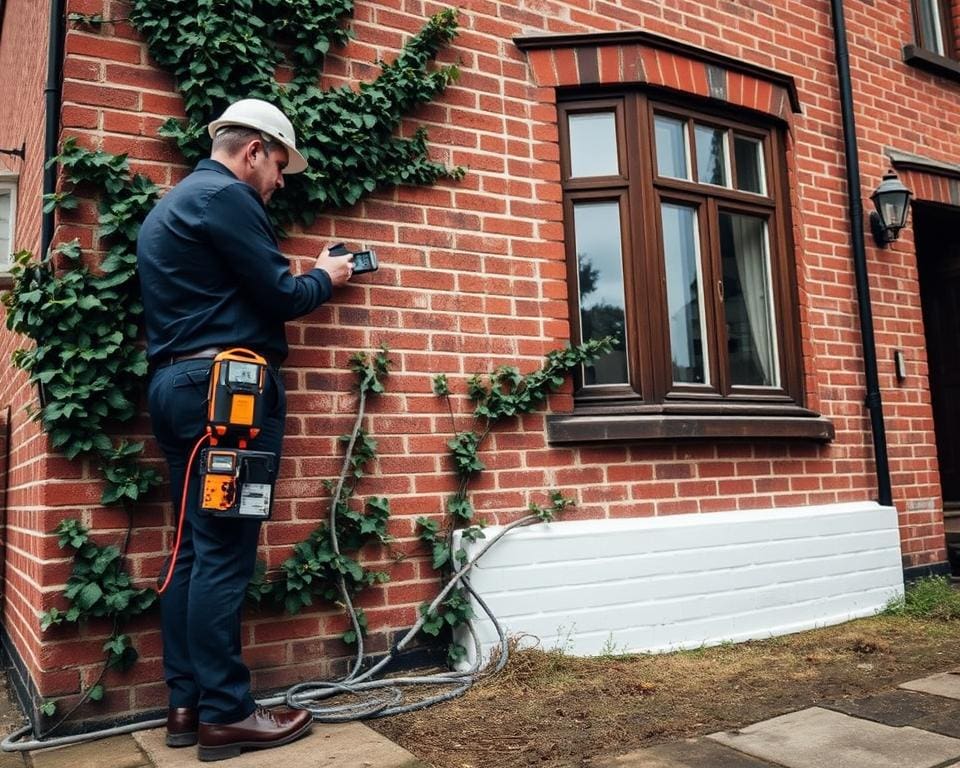
Older homes across the United Kingdom—from Georgian terraces to Victorian villas—require careful attention to moisture. This opening explains why damp proofing older homes matters, and what is at stake if issues are ignored.
Many period properties were built before modern damp-proof courses and cavity wall systems became common. Solid-wall construction, lime mortars and traditional renders respond differently to water than later materials. Understanding these differences is central to effective heritage property damp protection.
Damp in period houses can come from rising damp, penetrating damp or condensation. Each source has a distinct cause and calls for a different remedy. Practical damp prevention for period houses therefore starts with accurate diagnosis and materials that allow walls to breathe.
Protecting historic homes from damp is about more than preventing unsightly stains. Sensitive damp-proofing preserves structural fabric, retains original features and supports occupant health. Guidance from Historic England, RIBA and British Standards underpins the approach advocated here.
This article is for homeowners, conservation officers, surveyors and potential buyers. It will show why investment in damp proofing older homes safeguards value, honours craftsmanship and secures these buildings for future generations.
Why is damp proofing essential for older homes?
Older homes carry visible charm and hidden challenges. Damp in historic properties can appear subtly at first, then spread into fabric that has survived generations. Early awareness helps owners protect original features and manage repair costs before problems worsen.
Understanding damp in historic and period properties
Three main moisture issues affect older buildings: rising damp, penetrating damp and condensation. Rising damp in period homes moves upwards from ground level through capillary action. Penetrating damp heritage buildings suffer when water gets through walls, roofs, windows or faulty gutters. Condensation forms when warm, moist air meets cold surfaces inside.
Signs to watch for include tide marks, efflorescence and crumbling plaster. Paint may blister or flake and black mould can appear on cold walls. Timber rot in skirtings and joists gives a musty smell and can hide deep decay. Traditional lime mortars and breathable plasters let moisture evaporate naturally. Using cementitious repairs or impermeable paints can trap moisture and speed damage.
Risks to structural integrity and heritage features
Persistent moisture causes salts to crystallise in masonry, which leads to spalling and loss of facework. Freeze–thaw cycles make this worse in exposed areas. Timber elements such as floor joists, roof timbers and window frames are vulnerable to dry rot and wet rot when moisture stays high.
Decorative features like original plasterwork, limewash, timber panelling and mouldings face irreversible harm from chronic damp or insensitive repairs. Unsympathetic fixes, for example cement renders and impermeable pointing, can trap water and accelerate decay of precious materials.
Health and living-environment impacts
Damp and mould are linked to respiratory problems and can worsen asthma and allergies. NHS and Public Health England guidance draw attention to mould spores as a clear health concern. Poor indoor air quality and cold, damp surfaces raise heating demand and living costs.
Households may lose usable space when rooms become damp or odorous. Perceived reduction in value and the stress of ongoing repairs affect wellbeing. Historic England and conservation bodies stress careful diagnosis and breathable repairs to balance heritage care with modern health and comfort needs.
Identifying damp issues and choosing appropriate damp proofing solutions
Older homes need careful inspection before any work begins. Look for common signs of damp in older homes and think about where moisture enters and how it moves. A measured approach protects historic fabric while guiding practical repairs that restore comfort and longevity.
Signs and symptoms to look for
Visible indicators include salt deposits and tide marks on internal plaster, peeling or blistering paint and black mould patches on north-facing walls. Check skirting boards for discolouration, and watch for warped or rotting timbers.
Secondary signs are peeling wallpaper, efflorescence, musty smells and persistent condensation on windows. Increased insect activity in damp timber can reveal hidden decay. Ground-floor skirting and lower wall stains point to rising damp treatment needs. Patches around windows, roofs or external walls suggest penetrating damp, while widespread cold-surface mould signals condensation.
Diagnosis: surveys, moisture mapping and professional assessment
Commission a full diagnostic survey before remedial work. Avoid one-size-fits-all fixes that risk damaging original materials. A proper report should name causes and set out a repair hierarchy: source control, ventilation, and compatible materials.
Useful techniques include timber moisture meters, non-destructive wall probes, salt analysis, borehole sampling and infrared thermography. Damp survey moisture mapping and hygroscopic tests help distinguish sources and paths so solutions target the root problem.
Use chartered surveyors who specialise in historic buildings or conservation-accredited damp specialists. Look for professionals following Historic England guidance or members of the Society for the Protection of Ancient Buildings when planning complex work.
Traditional and modern damp proofing methods
Start with conservation-first measures: improved drainage, French drains, regrading and repair of gutters and downpipes. Repointing with lime mortar and lime-based breathable plasters restore vapour permeability and reduce trapped moisture.
Modern options include chemical DPC injection for rising damp treatment, physical DPCs during major works and waterproof tanking for basements when drying routes are secure. Breathable waterproof membranes designed for retrofit may suit specific situations.
Exercise caution with impermeable cement renders and high-cement mixes that block drying. Use certifiable products from reputable makers, such as NHL lime products, and installers accredited by the British Board of Agrément where relevant.
Conservation-sensitive approaches for listed buildings
Works to listed properties may need listed building consent. Consult local planning officers and conservation officers early to avoid costly delays. Aim for minimal intervention and reversible measures that preserve original materials.
Favoured solutions include internal breathable wall linings, localised timber repairs and sympathetic replacement of gutters and downpipes in cast iron or like-for-like materials. Limewash and lime plaster maintain vapour movement while protecting fabric.
Engage conservation architects, accredited damp assessors and contractors experienced with listed building damp solutions. Follow Historic England and SPAB technical notes to ensure repairs align with best practice and respect heritage values.
Long-term maintenance, costs and benefits of damp proofing older homes
Regular care is the backbone of long-term maintenance damp strategies. Annual checks of gutters, downpipes, roof coverings and external pointing stop water at the source. Keeping ground levels and paving clear of walls and ensuring sub-floor ventilation or functional air bricks helps maintain drying capacity and prevents recurring problems.
Repair work should use compatible materials such as lime mortar and breathable paints to protect historic fabric. For indoor moisture control, maintain extract ventilation in kitchens and bathrooms, consider mechanical ventilation with heat recovery for energy-efficient moisture management, and use dehumidifiers in problem rooms as a short-term measure. A clear maintenance schedule historic properties can follow is: seasonal gutter clearance, annual exterior inspection and a five-year masonry review.
The cost of damp proofing older homes varies by severity and method. Minor drainage and repair work is relatively low cost, while chemical DPC injection, full internal replastering or basement tanking can run to several thousand pounds. Timber replacement and structural interventions are higher still. That said, sensible upfront expenditure often improves damp proofing ROI by reducing repeat repairs, preserving market value and cutting heating bills linked to cold, damp walls.
Beyond finances, the benefits damp proofing heritage homes are wide-ranging. Proper intervention preserves structural integrity and original character, improves indoor air quality and reduces mould-related health risks. Using breathable, low-carbon materials supports environmental stewardship. Owners should commission specialist surveys at first sign of damp, prioritise source control, hire accredited contractors and keep records of works to protect both home and heritage for future generations.