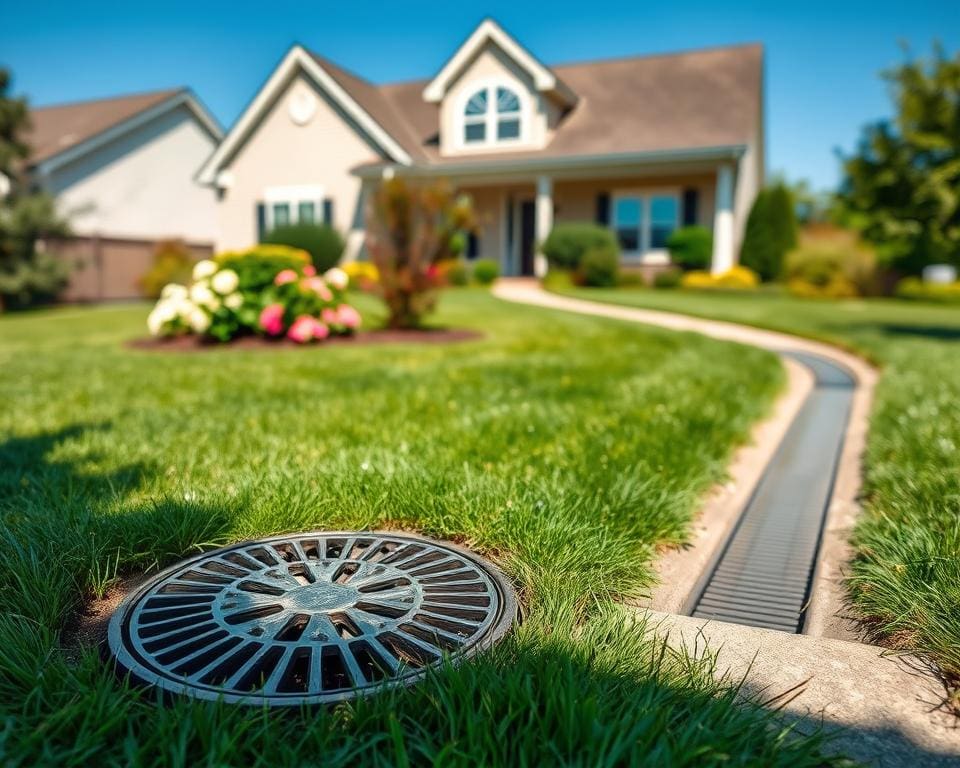
Proper drainage refers to the systems and measures that collect, direct and remove excess surface water and groundwater from a property. This includes gutters, downpipes, surface channels, French drains, soakaways and subsoil drainage systems. Clear definitions help homeowners understand the scale of responsibility for property drainage UK and the practical steps that follow.
The topic matters now more than ever. The UK has seen an increase in intense rainfall and flash flooding, driven by climate change and urban densification. Guidance from the Environment Agency and local council advice on surface water management underline the need for action. Readers searching why is proper drainage crucial for residential properties will find these sources useful for local context and regulation.
Poor drainage has broad consequences. Untreated water accelerates structural decay, encourages damp and mould, degrades landscaping and can reduce property value. Insurers are increasingly attentive to drainage-related claims, so drainage protection for houses also affects premiums and long-term costs. In short, residential drainage importance extends from the bricks and mortar to occupant wellbeing.
This article offers a practical roadmap. The next sections explain how drainage protects structural integrity and health, outline common problems to spot in UK settings, and present realistic solutions, maintenance routines and cost considerations. Homeowners, landlords, property managers, housing association staff and prospective buyers preparing surveys will all find actionable advice on home drainage benefits.
Proactive measures are typically more cost-effective than reactive repairs. Early inspection and modest investment in drainage protection for houses preserve the fabric of a home and reduce future repair bills. Take this as an invitation to assess your property drainage UK and act before small issues become large failures.
Why is proper drainage crucial for residential properties?
Good drainage shapes a home’s resilience. It channels water away from vulnerable areas, reduces long-term repair costs and supports comfortable living. Clear guidance from the Building Research Establishment helps homeowners and surveyors understand how moisture affects foundations and masonry, so taking simple steps now can protect a property for decades.
Protecting structural integrity of homes
Standing water and poor removal of groundwater raise hydrostatic pressure against foundations and basement walls. That pressure can create cracks, subsidence and movement that demand major repairs.
BRE guidance shows how moisture near foundations undermines load-bearing elements and thermal performance. Perimeter drains, reliable downpipes and paving set with the correct fall reduce risk and lower the chance of costly structural work.
Blocked or poorly routed water speeds up freeze–thaw cycles on brickwork and paving. Older masonry, common in Victorian properties across the UK, is particularly at risk from spalling and mortar failure when drainage is inadequate.
Preventing interior and exterior water damage
Water that penetrates walls and floors leads to rising damp, penetrating damp and condensation. These problems damage plaster, timber floors and joinery and often require replastering or timber treatment to remedy.
Outside, saturated soil and surface runoff can erode garden levels, drown plantings and damage patios and driveways. Blocked gutters overflow, staining façades and rotting fascias and soffits.
Regular checks of gutters and downpipes, ground levels next to brickwork, patio falls, drainage gullies and soakaways help prevent water damage and protect the property fabric.
Safeguarding health and safety
Poor drainage encourages damp and mould growth that carries respiratory and allergenic risks. NHS advice warns that damp conditions can worsen asthma and other respiratory conditions, making damp and mould prevention a public-health priority in the home.
Wet entrances and paths create slip hazards. Water reaching external sockets or entering cavities with wiring raises the risk of electrical faults and fire. Good home safety drainage reduces these dangers and keeps access safe for all occupants.
Practical drainage design delivers resilience and peace of mind. Effective measures protect health, maintain safe access and limit emergency repairs while supporting long-term foundation protection UK and reducing the structural impact of poor drainage.
Common drainage problems in UK residential settings and how to spot them
Properties in the UK face a range of drainage challenges that often start small and grow if ignored. Knowing what to look for helps homeowners act early. The following short guides cover the most frequent issues and the visible signs that point to them.
Pooled water and surface runoff
Poor falls on drives and patios, compacted soil and impermeable landscaping create pooled water signs after rain. You may spot persistent puddles, water running towards the house, dips in the lawn and moss or algae on paving. Staining on external walls near paving is another clue. Terraced homes, properties on slopes and sites in valley bottoms show distinctive runoff patterns. Local council flood maps help pinpoint wider risk.
Blocked gutters, downpipes and drains
Leaves, twigs and silt are common causes of blocked gutters symptoms, especially after the autumn leaf-fall season. Look for overflowing gutters, water cascading down walls and stained brickwork. Wet ground beneath downpipes, water ingress into loft spaces and damp at eaves are clear indicators. Carry out seasonal checks in autumn and spring. Gutter guards can reduce debris, and a qualified drainage engineer should handle deep or persistent blockages.
Soil saturation and poor subsoil drainage
Saturation happens when soil cannot absorb more water and the water table rises. Heavy clay soils in many UK regions make subsoil drainage issues more likely. Signs to spot include long-term soggy patches, failing lawns, standing water near foundations and damp smells in basements. These symptoms vary with the seasons; wet winters or blocked field drains can turn a previously dry site into a problem area.
Undetected leaks and hidden defects
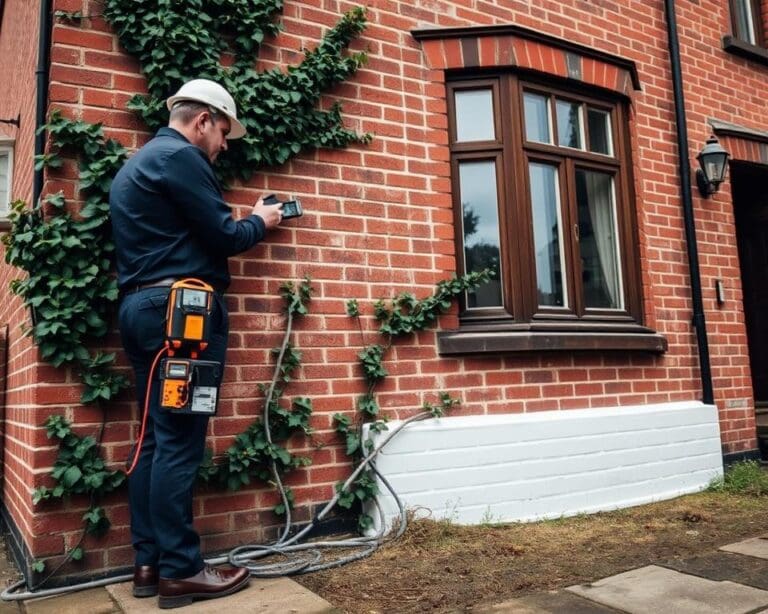
Hidden leaks in homes often stem from cracked underground pipes, permeable joints in old drains or appliance leaks that soak into cavities or soakaways. Watch for unexplained rises in water bills, soft or sinking turf, damp patches on internal walls without an obvious external cause and gurgling sounds from external drains after using fixtures. Diagnostic tools used by UK specialists include CCTV drain surveys, moisture meters and thermal imaging. Engage Gas Safe or WaterSafe-registered plumbers when utility connections may be involved.
Solutions, maintenance and cost considerations for effective residential drainage
Practical drainage solutions for homes start with good surface collection: repair or replace gutters and downpipes, add channel drains across patios and ensure paved areas have adequate falls to shed water away from foundations. For persistent run-off, consider permeable paving and rain gardens as SuDS options encouraged by UK planning policy. These sustainable measures slow water and reduce pressure on drains.
Subsurface options include French drains, perforated land drains and perimeter drainage to relieve groundwater. Use geotextile fabric and clean aggregate to keep flows clear. Where ground permits, a correctly sized soakaway can be effective; average soakaway installation cost varies widely depending on soil type and scale, so obtain site-specific quotes. For basements or where external fixes are impractical, cavity drain membranes, tanking systems and specialist damp-proofing offer internal protection.
Drainage maintenance UK routines are simple yet vital. Clear gutters and downpipes in autumn and spring, inspect gulleys after heavy weather and verify external falls annually. Test sump pumps and probe soakaways periodically. Arrange professional CCTV drain surveys for older properties or repeated faults and aim for inspections every few years. When you need to hire drainage engineer UK, choose WRc-approved installers or firms following British Standards for assured work.
Consider the cost of drainage repairs before problems escalate. Routine gutter cleaning is modest; replacing gutters or downpipes can range from a few hundred to over a thousand pounds. Installing subsoil systems such as French drains or soakaways typically starts at a few hundred and can rise to several thousand, while full basement tanking is a larger investment. Get multiple quotes, check insurance and certification, and retain records of inspections and repairs. Investing in proven drainage solutions often reduces future repair bills, preserves property value and may lower insurance costs in vulnerable areas.