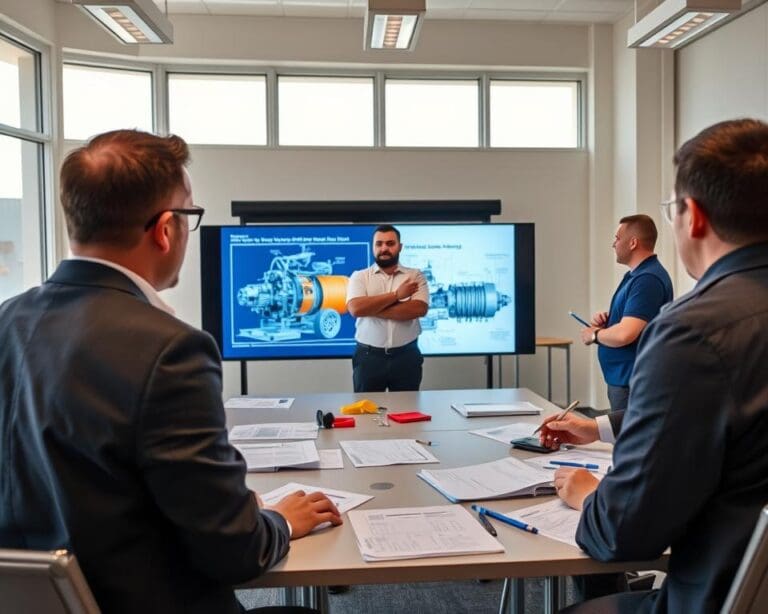

PUWER Assessor Training sits at the heart of work equipment safety compliance across the United Kingdom. Rooted in the Provision and Use of Work Equipment Regulations 1998, PUWER places clear duties on employers and those who control plant and machinery to keep people safe.
Training turns regulation into action. A competent assessor learns to carry out PUWER Assessment for machinery, spot hazards during workplace equipment safety checks and judge whether equipment meets HSE expectations. That practical competence helps translate legal duties into daily routines.
The consequences of neglect are real: enforcement notices, fines or prosecution from the Health and Safety Executive and local authorities. Skilled assessors reduce that exposure by producing robust inspection records and consistent safety checks that stand up to scrutiny.
Beyond compliance, effective PUWER Assessor Training delivers tangible outcomes. Teams report fewer accidents, improved machinery uptime and clearer audit trails, all of which support business continuity and strengthen employer duty of care.
Read on to see how PUWER training provides the skills and systems that make workplace equipment safety checks reliable, inspire a stronger safety culture and protect people and plant alike.
Why is PUWER Assessor Training essential for equipment safety?
Good assessor training turns complex regulations into clear actions. It helps organisations meet the PUWER definition by ensuring that work equipment is suitable, maintained and used safely. Trained assessors link policy to practice, so inspections and records reflect real safety improvements.
Defining PUWER and the role of an assessor
The Provision and Use of Work Equipment Regulations 1998 require that equipment provided for use at work is safe and maintained. The role of PUWER assessor covers practical checks, risk assessment and advising on remedial measures. Assessors spot inadequate guarding, mechanical and electrical faults, and unsafe procedures.
Competence comes from training, experience, knowledge and judgement. HSE guidance emphasises this mix when describing who should carry out inspections. Assessors need not be titled engineers, but they must be competent to perform thorough equipment compliance inspections UK.
How assessor training directly reduces risk and prevents incidents
Training teaches hazard recognition across mechanical, electrical and ergonomic areas. It covers control system failures and human factors that often precede incidents. Skilled assessors use this knowledge to prioritise actions that cut real-world risks.
Practical modules show how guarding, interlocks and safe isolation reduce harm. Trained assessors create inspection schedules and document findings, which closes the loop between inspection and corrective maintenance. This approach improves work equipment safety compliance and prevents repeat failures.
Legal responsibilities and employer duty under UK regulations
Employers must ensure equipment is safe, provide relevant information and arrange suitable inspection intervals. The employer duty under PUWER ties into related rules such as LOLER and training obligations under the Health and Safety at Work Act. Clear records of training and assessments demonstrate due diligence.
Enforcement can include improvement notices, prohibition notices, fines and prosecution. Robust assessor training reduces legal risk by creating traceable evidence: inspection logs, competence registers and training certificates. HSE publications stress the importance of documented competence for audits and investigations.
Benefits of PUWER Assessor Training for work equipment safety compliance
PUWER assessor training delivers clear, practical gains for any organisation aiming for robust work equipment safety compliance. Trained assessors bring consistent methods to inspections, a firmer grasp of machinery safety regulations UK and the confidence to act on defects before they cause downtime.
Improved consistency in equipment inspections and record-keeping
Training introduces standardised checklists and report templates that cut variation between inspectors. These templates define pass/fail criteria and ensure every workplace equipment safety check follows the same proven steps.
Consistent records build an audit trail that reveals defect trends, helps schedule preventative maintenance and supports evidence for equipment compliance inspections UK when auditors or the HSE visit.
Enhanced understanding of machinery safety regulations UK and obligations
Assessors gain legal literacy on PUWER and how it links with Electricity at Work Regulations and COSHH where relevant. That clarity improves how teams follow manufacturer instructions and implement safe systems of work.
Skilled assessors interpret BS EN standards and make informed decisions that align technical requirements with on-site practice. This reduces confusion and raises the standard of workplace equipment safety checks across shifts.
Cost savings through reduced downtime and fewer enforcement actions
Proactive inspections catch faults early, cutting the risk of catastrophic failure and unplanned stoppages that cost time and money. Fewer incidents preserve production and protect margins.
Documented competence and prompt remedial actions reduce the chance of HSE enforcement, fines and legal expense. That lifecycle focus on correct guarding and maintenance delays capital replacement and lowers long-term cost.
Boosting workforce confidence and safety culture
Visible, named assessors reassure staff and contractors that machinery risks are managed professionally. This trust encourages operators to follow safe processes and report near misses.
Trained assessors act as mentors, raising awareness of safe behaviours and embedding continuous improvement. Combining training with PUWER compliance tools and training on puwersafe.co.uk provides practical resources that support a positive safety culture.
Practical elements covered in machinery safety training for engineers
The practical strand of machinery safety training for engineers focuses on hands-on skill building and real-world application. Trainees learn to combine inspection routines with judgement so that safety work becomes both systematic and decisive.
PUWER inspection and risk assessment techniques
Courses include modules on hazard identification, risk scoring and task-based risk assessment. Learners review guarding, electrical safety checks and emergency stop and isolation assessment in staged exercises.
Instruction covers step-by-step inspection routines, use of risk matrices and root-cause analysis. Trainees practise how to prioritise remedial actions so scarce resources target highest risks first.
Using digital tools for machinery safety inspections and PUWER compliance software
Training shows the benefits of digital tools for machinery safety inspections: real-time data capture, photographic evidence, automated scheduling and centralised dashboards. These features speed up compliance tasks and improve traceability.
Emphasis is placed on selecting systems that integrate with maintenance management (CMMS) and existing asset registers. Specialist providers and training partners, such as puwersafe.co.uk, are used for practical modules to demonstrate workflows and templates.
Inspection reporting tools for engineers and integrating PUWER Software for safety inspections
Trainees use inspection reporting tools for engineers that offer customisable templates, priority tagging and automated escalation. The courses explain historic report retrieval so auditors can see the compliance trail.
Sessions show how reports feed into maintenance tickets, safety committees and management reviews. This workflow embedding ensures corrective actions are tracked and closed in a timely way.
Hands-on exercises: identifying hazards, guarding and control measures
Practical assessments include live machinery walk-arounds, simulated fault scenarios and measuring access and egress. Delegates verify guarding effectiveness and, where authorised, test interlock behaviour under safe conditions.
Competence verification uses observational assessments, written records and practical sign-offs. Graduates can complete PUWER inspection and risk assessment checklists, create remedial plans and use PUWER compliance software to manage ongoing inspections.
Implementing effective PUWER Assessment for machinery across your organisation
Begin with senior buy-in and clear governance. Secure leadership commitment to PUWER Assessor Training, allocate budgets for PUWER compliance tools and training on puwersafe.co.uk, and set a formal PUWER policy that defines inspection intervals, escalation routes and responsibility for remedial work. This strategic foundation makes equipment compliance inspections UK consistent and auditable.
Build assessor capability through careful selection and training. Choose candidates with technical knowledge, keen observational skills and good communication, then mix accredited training with on‑the‑job mentoring. Keep a competence register that logs certificates, refresher dates and assessments to show ongoing work equipment safety compliance and to support workplace equipment safety checks.
Operationalise assessments with a risk‑based approach and digital adoption. Use risk assessments to set inspection frequencies — inspect higher‑risk machinery more often — and integrate schedules into CMMS. Adopt PUWER compliance tools and inspection reporting tools for engineers to centralise evidence, automate alerts and simplify audits; tools that combine training and compliance support improve the speed and quality of equipment compliance inspections UK.
Measure, audit and embed a safety culture to sustain improvements. Track KPIs such as inspections completed, time to remedial action, incident reductions and audit pass rates. Conduct internal audits and management reviews, include contractor equipment in programmes, and share inspection outcomes to build trust. A structured, documented PUWER Assessment for machinery with trained assessors and clear records shows due diligence, reduces enforcement risk and protects people, productivity and reputation.