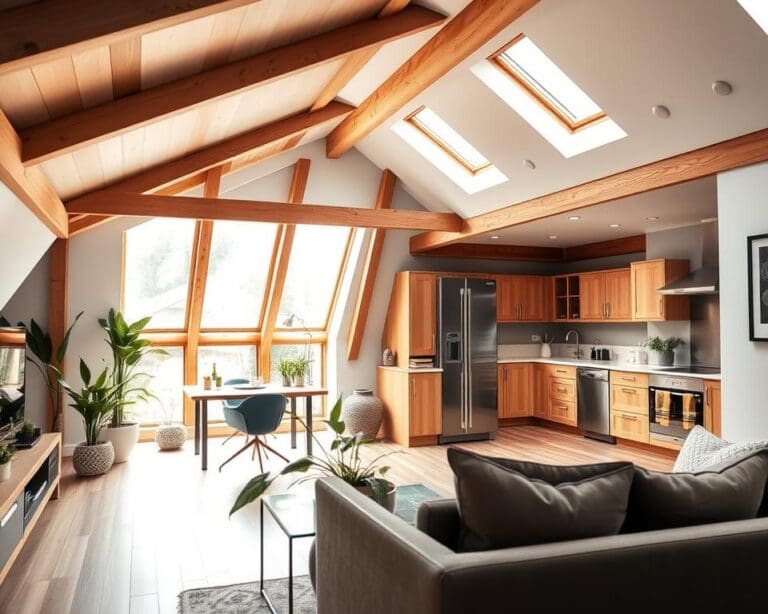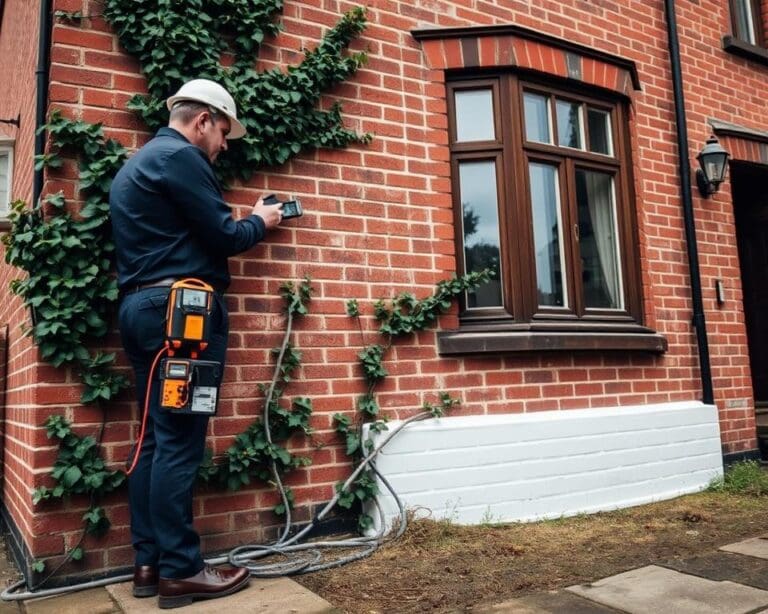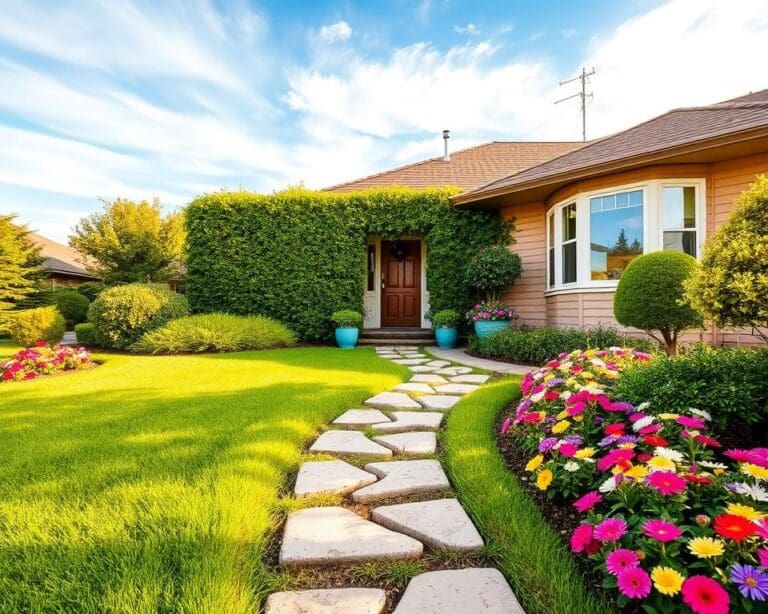

Regular care of a home is more than chores; it is an act of stewardship that safeguards comfort, health and value. For owners of Victorian terraces, semi‑detached houses, new builds or flats across the UK, understanding why is regular home maintenance key to property longevity turns routine tasks into powerful protection for family life and investment.
Weather in Britain — frequent rain, freeze–thaw cycles and coastal salt exposure — accelerates wear. That is why home maintenance importance cannot be overstated: timely checks and small repairs preserve structural soundness and reduce the chance of costly failures.
Guidance from bodies such as the Royal Institution of Chartered Surveyors, Citizens Advice and the Energy Saving Trust shows that scheduled care supports legal responsibilities, improves energy efficiency and maintains market value. These house upkeep benefits form the foundation for later sections that cover seasonal tasks, service schedules, DIY versus professional help and the long-term maintenance UK needs.
Seen as a habit rather than a hassle, regular maintenance becomes an empowering routine. Small, consistent actions protect occupant wellbeing, avoid large repair bills and secure property longevity for years to come.
Why is regular home maintenance key to property longevity?
Regular care keeps a house healthy. Small checks stop small faults from becoming big problems. This section looks at how structural maintenance preserves strength, supports market value and helps to reduce repair costs over time.
Protecting structural integrity
Timely inspection and repair of roof coverings, guttering, brickwork, pointing and damp-proof courses prevents water ingress, rot and timber decay. Fixing these issues early avoids freeze–thaw damage that can weaken foundations and load-bearing elements.
RICS guidance helps homeowners spot indicators of structural movement such as cracks, sloping floors and sticking doors. Early surveys reduce the risk of costly underpinning or major structural repair.
UK climates bring added risks. Heavy rainfall, blocked drains and coastal salt spray raise the chance of corrosion to metalwork. Routine structural maintenance targets these vulnerabilities before they worsen.
Preserving and enhancing property value
Well-kept homes command higher valuations and attract buyers and tenants more easily. Estate agents look for neat external finishes and up-to-date services when valuing a property.
Energy Performance Certificates influence marketability. Modernising insulation and updating heating systems, such as efficient boilers or heat pumps, can improve EPC ratings and help preserve property value.
Value-adding maintenance includes replacing worn roofing, refreshing paintwork and repairing fencing. Legal and safety compliance, such as electrical checks and gas safety certificates for rented homes, safeguards market value and reduces legal risk.
Reducing long-term repair costs
Routine small repairs—clearing blocked gutters, sealing minor leaks and replacing worn seals—stop escalation into expensive interventions. The economic logic is straightforward: prevent rather than restore.
- Annual roof and gutter checks
- Biannual boiler servicing
- External timber redecoration every 3–5 years
- Regular inspection of flashing and seals around windows and doors
Insurers may refuse claims where neglect is clear. Keeping maintenance records and receipts supports insurance claims and demonstrates duty of care. A thoughtful maintenance programme improves maintenance ROI UK by lowering the chance of major, high-cost jobs and keeping properties attractive to buyers.
Practical home maintenance tasks to extend lifespan and ensure safety
Keeping a clear plan helps homes last longer and stay safe. Use a simple home maintenance schedule to break jobs into seasons and priorities. Small, regular checks save money and stress over the years.
Seasonal maintenance checklist
- Spring: carry out gutter cleaning and check downpipes after winter. Inspect roof tiles and flashings for damage and service garden drainage. Check windows and doors for damp and prepare exterior paintwork. Service patios and paving.
- Summer: treat and seal timber decking and look for pest activity such as woodworm or rats. Service air-conditioning or ventilation where present. Tidy the garden to reduce fire risk in dry spells.
- Autumn: clear leaves from gutters and drains and inspect the heating system ahead of colder months. Draft-proof doors and windows and check loft insulation and ventilation. Prepare garden and plumbing for winter.
- Winter: monitor for ice dams and keep pipework insulated to prevent bursts. Clear snow from problematic areas and maintain safe heating for vulnerable occupants. Watch condensation and ventilation to reduce mould risk.
Systems and services to schedule regularly
Some tasks suit an annual check, others need more frequent attention. Use a home maintenance schedule to record dates and receipts.
- Annual: arrange a gas boiler safety check with a Gas Safe-registered engineer and a chimney sweep through a HETAS or National Association of Chimney Sweeps member where needed.
- Biannual or as-needed: carry out gutter cleaning at least twice yearly and book roof inspections after storms. Plan external repainting every 3–7 years and service MVHR systems and heat pumps per manufacturers’ guidance.
- Landlords: obtain a gas safety certificate annually and arrange electrical safety checks every five years. Test smoke and carbon monoxide alarms regularly.
- Record keeping: keep receipts, service records and photographs to show maintenance history for resale or insurance claims.
DIY versus professional help
Many small tasks suit a confident DIYer. Cleaning gutters with proper safety equipment, replacing tap washers, re-sealing baths and showers, basic painting and light garden work fit most owners’ skill sets.
Leave complex or high-risk jobs to accredited trades. Only Gas Safe-registered engineers may work on gas appliances. Seek NICEIC-registered electricians for major electrical work and HETAS or chimney professionals for flues. For structural repairs, full rewiring, major roofing and significant damp treatment, use members of the Federation of Master Builders or TrustMark.
Getting formal quotes, checking tradespeople memberships and keeping warranties protects both safety and finances. Using recognised professional trades for homes brings compliance, peace of mind and a stronger case for any future sale.
Long-term benefits: financial, comfort and sustainability gains
Regular upkeep delivers clear long-term benefits of home maintenance. Keeping insulation and glazing in good order preserves capital value and improves saleability by boosting EPC ratings. Replacing an ageing boiler with a high-efficiency model, for example, lowers heating bills and often returns the investment over a few years, improving maintenance ROI UK for homeowners.
Planned servicing reduces emergency repair expenditure and steadies household budgeting. A sinking fund for major items such as roofs or windows cuts the need for costly, unplanned fixes. Homeowners can also explore government-backed schemes and time-limited green grants that help offset retrofit costs and accelerate energy efficiency upgrades.
Comfort at home improves with routine maintenance: consistent heating, draught-proofing and controlled ventilation reduce mould risk and support better respiratory health. Safety benefits follow from working smoke and carbon monoxide detectors, secure doors and stable handrails, which together lower accident and crime risk and create a calmer living space.
Maintenance also advances sustainability by lowering energy use and carbon emissions. Measures such as enhanced insulation, draught-sealing and efficient heating systems contribute to national net-zero aims. Choosing sustainable materials like FSC- or PEFC-certified timber, low-VOC paints and recycling old fixtures further enhances environmental gains, making upkeep an investment that returns financial, health and ecological dividends across generations.