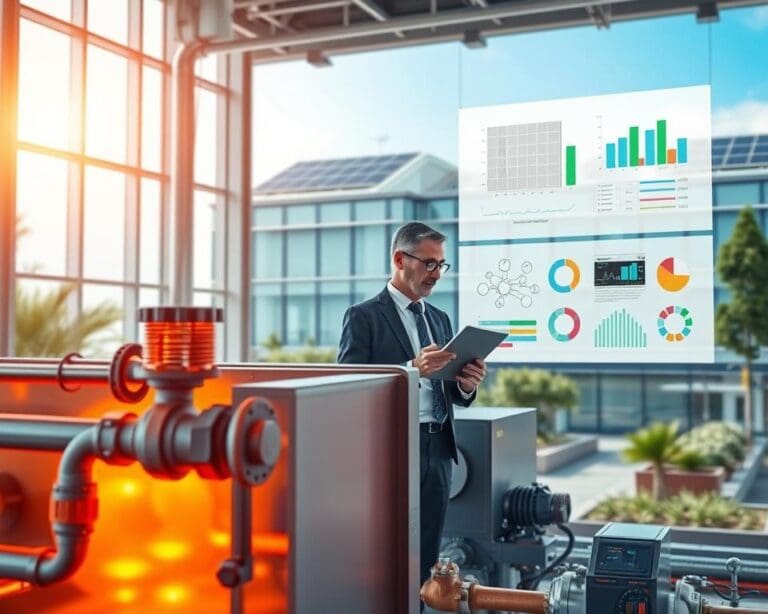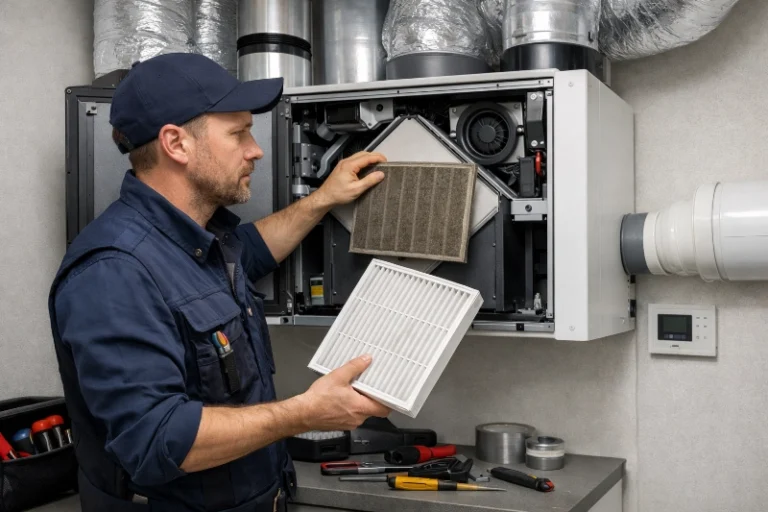
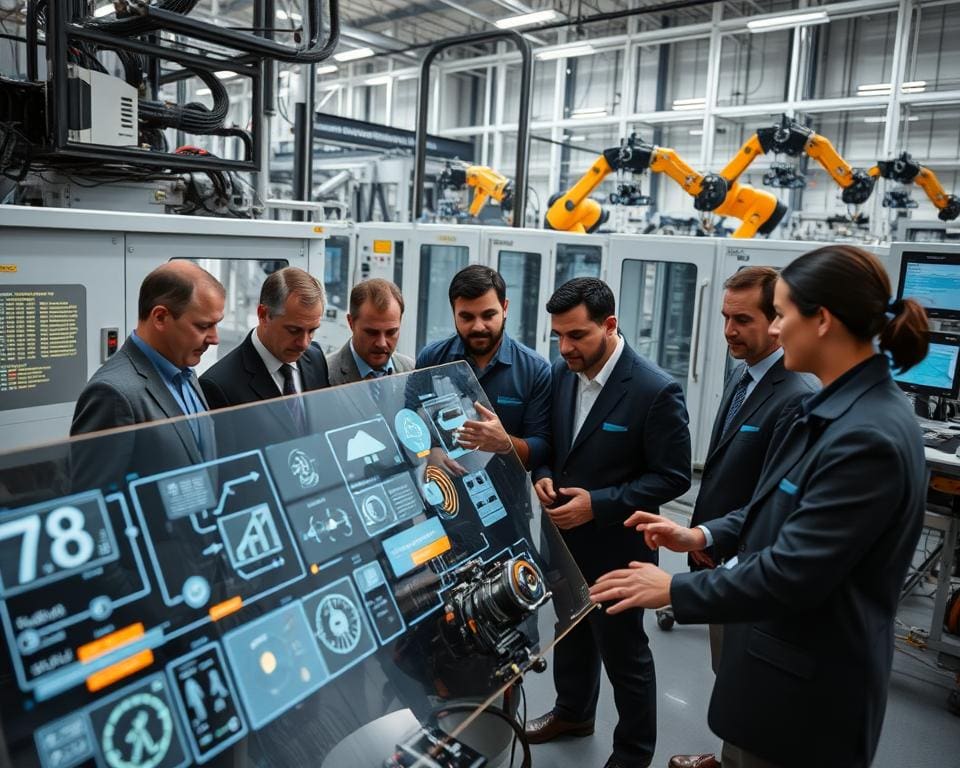
In today’s competitive industrial landscape, system integration emerges as a linchpin for successful complex machine setups. As manufacturers strive for industrial optimisation, the seamless coordination of diverse subsystems becomes indispensable. Effective system integration not only enhances machine efficiency but also simplifies operational complexities, enabling different components to function in unison. By fostering this synergy, businesses can overcome inefficiencies and minimised downtime, ultimately paving the way for enhanced productivity. Statistics reveal that adopting advanced integration strategies can significantly boost performance metrics, underscoring the vital role this practice plays in modern manufacturing.
The Importance of System Integration in Industrial Environments
In today’s fast-paced manufacturing landscape, effective system integration is crucial for enhancing operational efficiency. This process allows for seamless collaboration among various technologies and machines, creating a cohesive environment that supports productivity enhancement. Integrated systems not only optimise workflows but also dramatically reduce waste, paving the way for more streamlined production processes.
Enhancing Operational Efficiency
By merging different systems within industrial environments, businesses can achieve remarkable improvements in operational efficiency. Real-time data sharing enables managers to make informed decisions on-the-fly, facilitates immediate adjustments, and enhances overall productivity. With precise monitoring and analysis, organisations can pinpoint inefficiencies and enact changes that lead to a smoother production flow.
Reducing Downtime
A significant advantage of robust system integration lies in its ability to minimise downtime. Smooth transitions between processes and predictive maintenance capabilities work together to limit equipment failures. The result is not just fewer interruptions but also substantial cost savings for industries. Companies can maintain a continuous flow of operations, making them more agile and responsive to market demands.
Understanding Complex Machine Setups
Complex machines play a fundamental role in modern industrial settings, characterised by their intricate systems and interdependent components. The definition of complex machines often encompasses those devices that integrate various mechanical and electronic elements to perform sophisticated tasks.
Defining Complex Machines
The definition of complex machines includes any equipment that consists of multiple components working together seamlessly. These machines typically involve:
- Multiple interconnected parts
- Advanced software systems
- Interdependence of mechanical and electronic systems
This intricate configuration allows for a high level of functionality, enabling industries to perform complex operations efficiently.
Common Challenges in Complex Setups
Despite their advantages, complex machines face several challenges in machine setups, which can hinder their overall effectiveness in industrial machinery applications. These challenges often include:
- Interoperability issues among different systems
- Data silos that limit information sharing
- The necessity for real-time data synchronisation
Addressing these challenges is crucial for ensuring operational efficiency and enhancing productivity within industrial environments.
Why is system integration key in complex machine setups?
In the rapidly evolving landscape of industrial manufacturing, seamless communication between various components becomes essential. The key to system integration lies in its ability to enhance operational efficiency and support complex machine ecosystems. When processes align harmoniously, organisations can experience significant advantages.
Streamlining Processes and Workflows
Effective system integration plays a crucial role in streamlining workflows, ensuring that every part of the machinery operates in unison. An interconnected system allows for smoother operations and a quicker response to changes in production demands. When workflows are optimised, downtime is minimised, making production runs more efficient.
Facilitating Real-Time Data Sharing
Real-time data sharing stands as another pivotal aspect of system integration. Access to live data analytics empowers manufacturers to make informed decisions promptly. This capability not only aids in process optimisation but also allows for adaptive strategies that keep companies competitive. By integrating systems and harnessing real-time insights, organisations can navigate the complexities of modern manufacturing with agility and precision.
Benefits of Effective System Integration
Effective system integration reveals a multitude of advantages that can transform operational dynamics in manufacturing. By creating a cohesive system, organisations can enhance their performance metrics, providing vital insights into production rates and quality control. Streamlining integration ensures that businesses not only respond to current market demands but also set the stage for future improvements.
Improving Performance Metrics
One of the primary advantages of system integration is its impact on performance metrics. Integrated systems allow organisations to collect and analyse data in real time, leading to informed decision-making. This data-driven approach can significantly boost production efficiency and quality, ensuring that every step in the manufacturing process is optimised for success.
Enhancing Maintenance and Support
Another crucial aspect of system integration is the enhancement of maintenance support. Integrated systems offer predictive capabilities, enabling businesses to forecast potential equipment failures before they occur. By anticipating these issues, organisations can implement preventative measures, thus reducing unforeseen downtime and minimising maintenance costs.
Driving Innovation in Manufacturing
Lastly, effective system integration serves as a catalyst for innovation in manufacturing. In an ever-evolving market, the ability to swiftly adapt to new technologies is essential. Integration fosters a culture of innovation by enabling seamless collaboration among various processes. This adaptability not only improves product offerings but also solidifies a competitive edge in the marketplace.
Future Trends in System Integration for Machine Setups
The landscape of system integration technology within machine setups is on the brink of remarkable transformation. As we look towards the future trends reshaping industrial automation, the influence of the Internet of Things (IoT) and Artificial Intelligence (AI) cannot be overstated. These technologies are poised to enhance integration processes, fostering seamless communication across various machinery and systems.
With IoT, machines become interconnected, allowing for comprehensive data collection and analysis. This capability opens doors to deeper insights and smarter decision-making, empowering industries to optimise operations like never before. Similarly, AI applications are set to revolutionise how complex systems interact, enabling predictive maintenance and real-time adjustments that significantly reduce downtime and increase productivity.
Embracing these future trends in system integration not only equips businesses with innovative solutions but also positions them at the forefront of industrial advancements. By leveraging enhanced data analytics and automated processes, companies can drive operational excellence and maintain a competitive edge. The journey towards a more integrated and automated future is here, and those who seize these opportunities will lead the way in redefining what’s possible in machine setups.