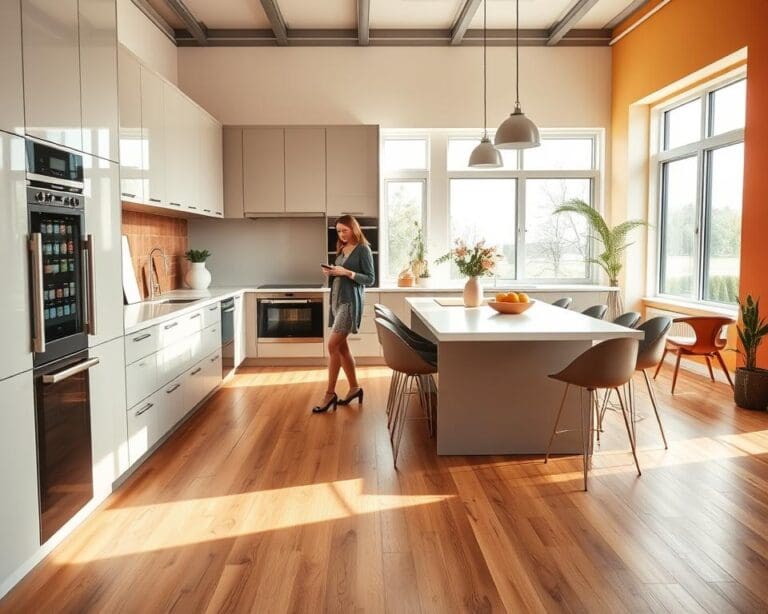
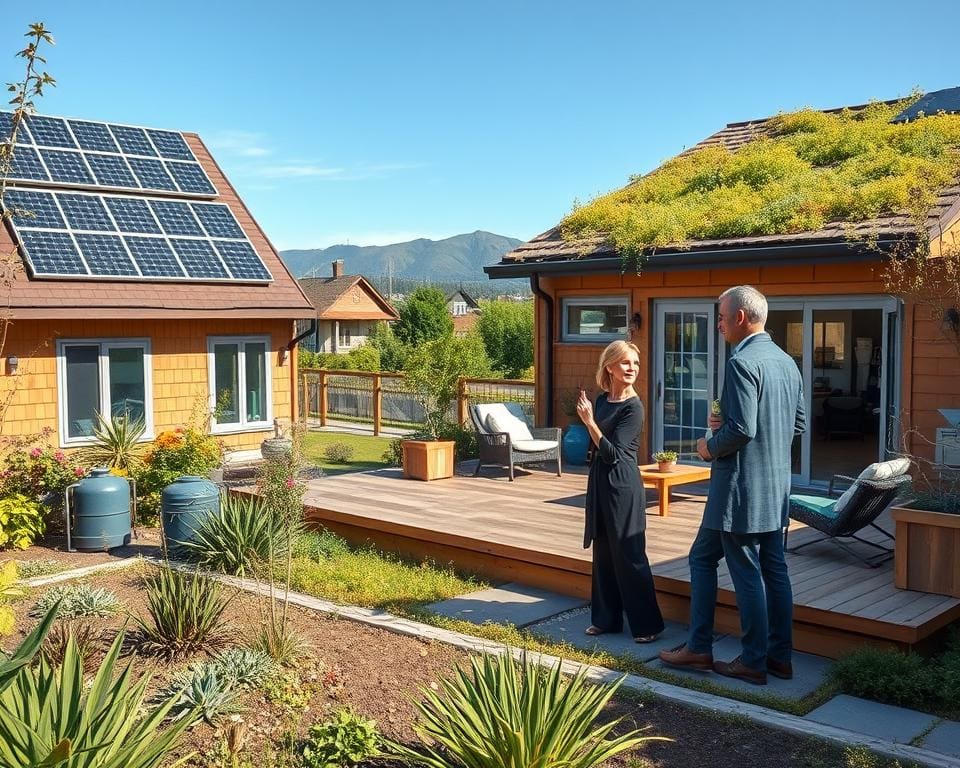
You should see sustainable home upgrades as practical changes that cut a home’s environmental impact and running costs. These include improved insulation, double or triple glazing, efficient heating like heat pumps, solar PV, LED lighting, water-saving fittings and smart controls. They also cover durable, low‑maintenance materials and measures that improve indoor air quality.
These improvements add value in clear ways. Lower energy and water bills make monthly costs predictable and smaller for future occupants. A higher Energy Performance Certificate (EPC) rating signals lower running costs and less risk of surprise maintenance. Buyers often prize the comfort, health benefits and status of greener homes as much as the tangible savings.
In the UK property market this trend is growing. Government net zero targets, minimum energy efficiency standards for rented homes and rising public awareness mean buyers expect sustainability as standard. Lenders and mortgage providers increasingly factor energy credentials into valuations, which can help increase property value for energy‑efficient homes.
For you as a homeowner or investor, recognising these links helps you choose upgrades that balance cost, performance and resale value. Focus on measures that cut bills, lift EPC scores and match what buyers in the UK want now.
sustainable home upgrades: what they are and why they matter
The term covers a wide range of interventions that reduce energy use, cut carbon emissions and improve comfort in your home. Think of a home retrofit as any change that makes a property greener, from simple controls to whole-house fabric works.
Definition and scope
A clear definition sustainable upgrades helps you decide which works fit your goals. These are measures that lower energy consumption, reduce carbon and use fewer resources while improving occupant wellbeing. They include fabric improvements, systems upgrades, on-site generation, water-saving fittings and smart controls.
Scope ranges from small fixes to major works. Minor changes can be LED lighting or thermostatic radiator valves. Major upgrades might be solid-wall insulation or replacing an entire heating system. Behavioural tools such as energy monitoring sit alongside structural measures.
Grants and rules can affect what you choose. Programmes like the Energy Company Obligation (ECO) and local authority funds have shaped uptake. Past pilots, such as the Green Homes Grant, show how incentives shape decision-making.
Common types of upgrades in UK homes
Insulation UK options are among the most effective ways to cut heat loss. Loft and cavity wall insulation give fast wins; solid-wall insulation needs more work but brings bigger savings in older homes.
Upgrading windows and doors to double- or triple-glazed units with low-emissivity glass improves comfort and lowers heat loss. Thermally broken frames reduce cold spots around openings.
Heating and hot water upgrades deliver big carbon and cost reductions. Replacing an old boiler with a high-efficiency condensing model helps. Switching to air-source or ground-source heat pumps offers larger cuts in carbon. Underfloor heating works well with heat pumps and can improve system efficiency.
Other common measures include solar PV with battery storage for on-site generation, mechanical ventilation with heat recovery to preserve indoor air while retaining warmth, and energy-efficient appliances. Low-flow fittings and rainwater systems reduce water use.
How sustainability aligns with buyer priorities
Buyers now weigh running costs, comfort and environmental impact when choosing a home. Younger buyers place particular value on low-carbon home improvements and reduced bills.
Landlords and investors face rising standards under MEES and related rules. That pressure creates demand for upgraded rental stock and encourages a wider market shift toward energy-efficient properties.
Mortgage lenders and insurers are paying attention to efficiency too. Green mortgage products and preferential terms for energy-efficient homes make efficient heating systems and other upgrades more attractive to buyers aiming to lower lifetime housing costs.
How energy efficiency improvements boost market value
Upgrading a home’s energy performance can shift its appeal in the market. You will see two clear benefits: lower ongoing costs and a stronger, more measurable selling point when potential buyers compare properties.
Reduced running costs as a selling point
Insulation, modern boilers or heat pumps, and rooftop solar can cut annual energy bills by noticeable amounts. Loft and cavity wall insulation often pay back within a few years, according to UK industry figures, while efficient heating can reduce fuel use by a third or more.
Lower monthly energy bills make mortgage payments effectively more affordable for buyers. That improved affordability can widen the pool of interested purchasers and support a higher asking price.
Buyers focus on lifetime costs. Clear evidence of reduced running costs reassures them about future outlays and makes it easier to justify paying a premium for your home.
Energy Performance Certificates (EPCs) and buyer perception
An EPC rating summarises a property’s energy performance and estimated running costs on a scale from A to G. You must have an EPC for sales and lettings in the UK, so this rating forms a standard, comparable metric in listings and viewings.
Properties with higher EPC rating attract more interest. Estate agents such as Savills and agents across the UK often highlight an A–C rating when marketing a home, because buyers see these ratings as markers of lower risk and better value.
EPCs are not perfect. The methodology has faced criticism for inconsistencies, yet recent updates aim to improve accuracy. Even so, an improved EPC gives buyers a credible, easy-to-understand signal about energy performance.
Case studies and evidence of price premiums
Peer-reviewed papers and industry reports show average price uplifts for energy-efficient homes, often in the low single-digit percentage range. Results vary by region and property type, with stronger premiums where energy costs are high or stock of efficient homes is limited.
UK property case studies from Energy Saving Trust and market reports indicate retrofitted homes with upgraded insulation, double glazing, heating systems and PV panels frequently sell faster and may attract higher offers. Documented, certified improvements tend to deliver the best returns.
Remember that premiums depend on local demand, how obvious the upgrade is to buyers, and installation quality. Well-presented, verifiable upgrades produce clearer buyer perception UK and stronger sales outcomes.
Green technologies and long-term investment appeal
Think about the core green technologies that change how a home performs and how buyers see it. Solar photovoltaic panels cut electricity bills and lower grid reliance when they are modern, warrantied and fitted to building regulations. Battery storage raises self-consumption and resilience but adds upfront cost that you should weigh against expected gains in solar PV resale value.
Heat pumps, both air-source and ground-source, replace fossil-fuel boilers and work best in well-insulated homes. If you plan for low-temperature distribution and good insulation, a heat pump investment can attract buyers who expect tighter future restrictions on gas and want lower carbon running costs.
Mechanical ventilation with heat recovery keeps indoor air fresh while reclaiming warmth in airtight retrofits. Buyers who prioritise health and comfort notice MVHR systems, especially when documentation proves professional installation.
Smart controls and home energy management give you fine control of heating and consumption. Programmable thermostats, zonal heating and smart meters appeal to tech-savvy purchasers and help you demonstrate actual savings.
Long-term appeal rests on resilience to volatile fuel prices and policy shifts. Homes that generate renewables and have efficient systems reduce exposure to future gas shocks or new carbon charges. That resilience supports the long-term appeal sustainable homes need to hold value.
Financial and regulatory bodies have warned about climate and transition risks to property. Adapting your building now reduces those risks. Professional installation, robust warranties and clear certification such as MCS or manufacturer guarantees make a visible difference to buyers assessing risk and value.
- Check installation quality, warranties and standard certification for heat pumps, inverters and batteries.
- Consider whole-house planning: combine insulation, low-temperature heating and controls for better returns.
- Factor lifecycle costs: solar panels often last decades with little upkeep while batteries may need replacement within a decade.
Your investment choices shape appeal and resale prospects. When you match technology to the fabric of the house and keep thorough documentation, you improve both buyer confidence and the prospects for long-term capital preservation.
Practical steps to choose sustainable upgrades that increase resale value
Begin with an energy audit carried out by an accredited assessor to identify where your home loses heat and which measures will deliver the biggest gains. Use the Energy Performance Certificate recommendations as a starting point, but consider a full retrofit steps UK assessment for major works. Estimate payback periods, likely energy bill savings and the expected uplift to your EPC rating for each option so you can choose sustainable upgrades with clear financial data.
Prioritise home upgrades that offer strong return on investment and visible buyer appeal. Fabric improvements — loft and cavity or solid wall insulation, draught-proofing — and efficient heating systems typically balance cost, comfort and EPC improvement well. Add low-cost quick wins such as LED lighting, thermostatic radiator valves and a smart thermostat to increase perceived efficiency without large expense.
Ensure quality installation and keep certification to hand. Use MCS‑certified installers for renewables and qualified tradespeople for insulation and heating; retain warranties, building‑control sign‑off where required and all installer certificates. This documentation helps you market the work and can materially increase buyer confidence when you list the property to increase resale value.
Plan finance and marketing alongside the works. Investigate grants, green mortgages and energy‑efficiency loans to reduce upfront cost and improve ROI, and adopt a phased sustainable refurbishment if budget is limited — insulate first, then upgrade heating and add PV. When selling, highlight EPC gains, estimated annual running‑cost savings and performance data in listings and brochures so prospective buyers see the value of your retrofit steps UK and are more likely to pay a premium.