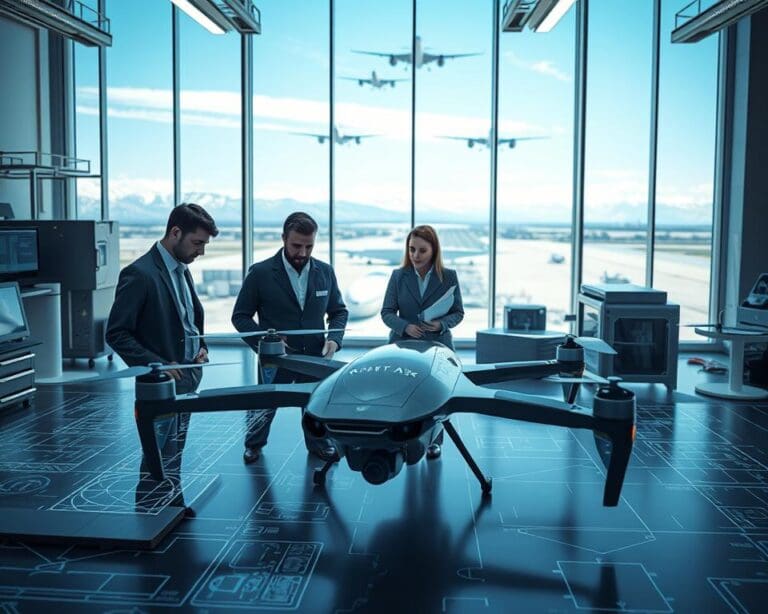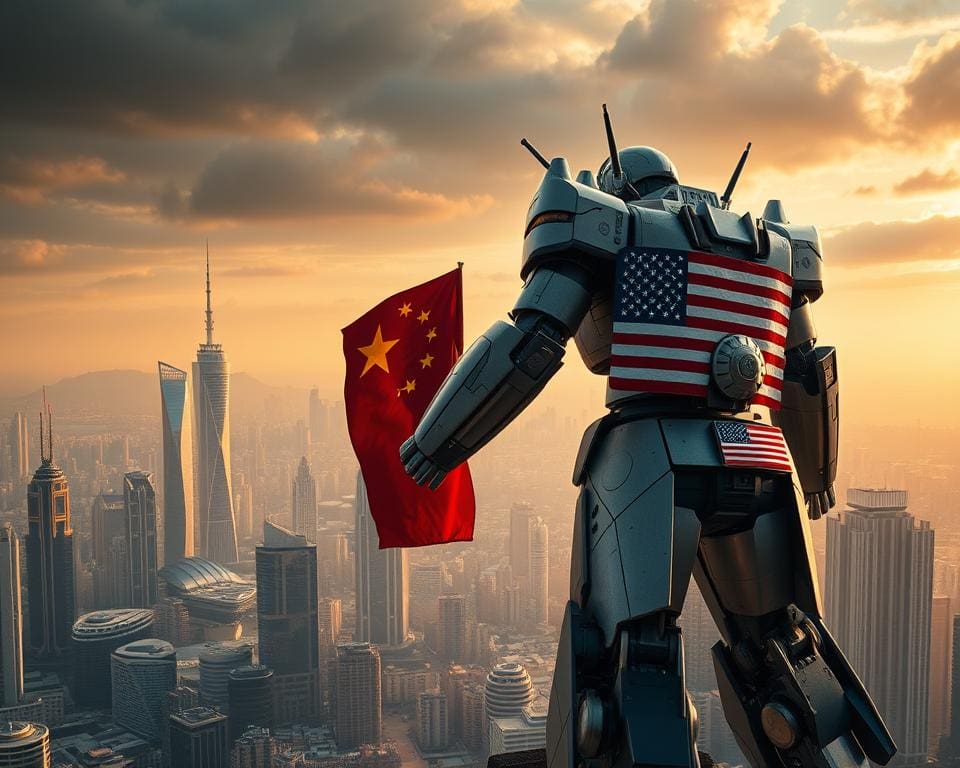
In today’s rapidly evolving landscape, the question of Who is Winning the Tech War in China looms larger than ever. As China Tech Dominance asserts itself through remarkable industrial advancements and technological breakthroughs, understanding the intricacies of this rivalry becomes essential. This tech battle between the US and China is not merely a competition for market supremacy; it holds significant implications for global economic dynamics. By examining the factors driving this complex landscape, we can begin to discern the pathways that may shape the future of technology on a worldwide scale.
Understanding the Tech Landscape in China
The technological landscape in China showcases a remarkable fusion of innovation, ambition, and strategic direction. The country’s dedicated approach has led to the rise of Chinese tech companies, propelling them from local operations to formidable contenders on the global stage. These firms have not only transformed industries domestically but have also made a significant impact on international markets.
The Rise of Chinese Tech Companies
Chinese tech companies like Alibaba, Tencent, and Huawei exemplify the rapid growth and transformation within the sector. Their journey reflects a well-structured business model heavily reliant on *research*, *development*, and aggressive expansion strategies. The rise of these companies epitomises China Tech Dominance, demonstrating how innovation and entrepreneurship can catalyse success. As they venture into new territories, they shape global technology trends and redefine market norms.
Government Support and Investment
Government support in tech has been a cornerstone of this evolution. The Chinese government’s strategic policies and substantial investment play a critical role in nurturing the tech ecosystem. Initiatives such as ‘Made in China 2025’ aim to enhance the country’s technological capabilities, ensuring that domestic companies can compete effectively worldwide. This support fosters an environment where the rise of Chinese tech companies can thrive, reinforcing their position in the global tech hierarchy.
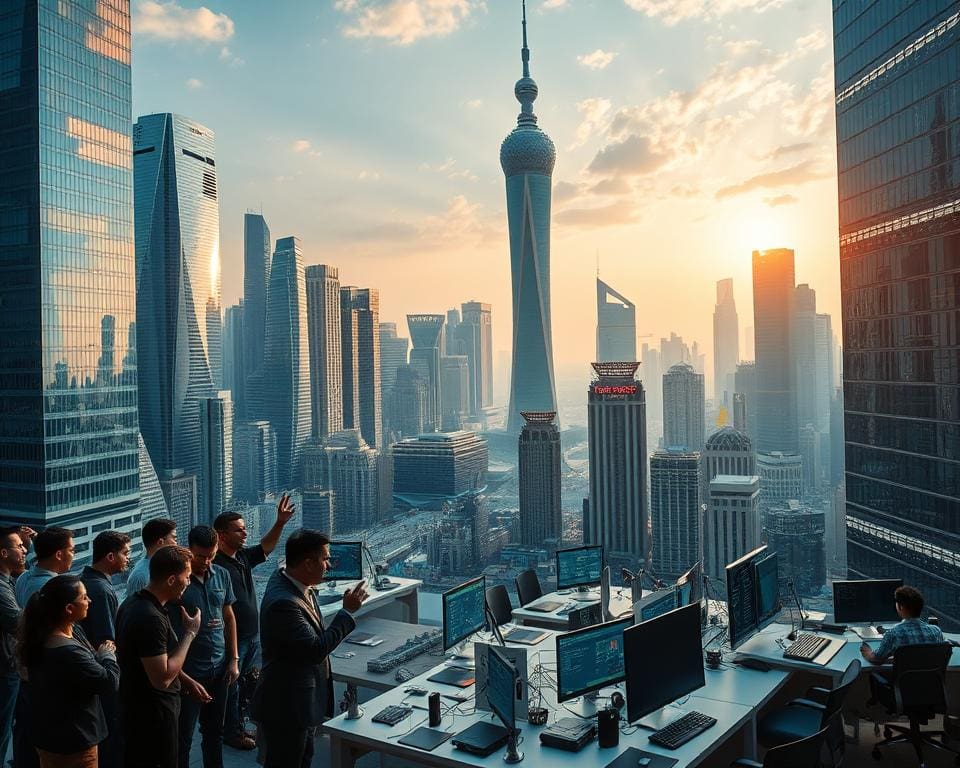
Who Winning Tech War China: A Comparative Analysis
The US vs China Tech Competition continues to shape the global landscape of innovation. Both nations have established remarkable technological strengths, driving advancements across various sectors. Exploring the nuances in these innovations uncovers unique approaches that reflect their respective cultural and economic frameworks.
Comparing Innovations from the US and China
When comparing innovations, the United States excels in areas such as artificial intelligence and advanced software solutions. Companies like Apple and Microsoft lead the charge, demonstrating their capability in developing intuitive consumer electronics and cutting-edge applications. In contrast, China’s tech giants, including Huawei and Alibaba, focus extensively on telecommunications and cloud computing. Their rapid advancements in 5G technology and e-commerce platforms exemplify a different strategy for dominating the tech space.
Key Players in the Tech Arena
Examining the key tech players reveals distinct strengths that fuel the US vs China Tech Competition. In the US, firms such as Google and Facebook innovate relentlessly, leveraging vast data resources to enhance user experiences. Conversely, China boasts formidable players like Tencent and Baidu, whose integration of social media and AI capabilities positions them as leaders in their markets. As each country manoeuvres through the competitive landscape, the clash of these key tech players reshapes global technology dynamics.
China’s Tech Dominance and Global Perception
As China solidifies its position in the global tech landscape, the reactions from various nations reveal a complex tapestry of admiration and apprehension. The narrative surrounding China’s Tech Growth is multifaceted, engaging both technological enthusiasts and sceptics alike. With advancements in artificial intelligence, telecommunications, and consumer electronics, China’s innovations are increasingly recognised as powerful symbols of progress and influence on the world stage.
Global Responses to China’s Tech Growth
The world is closely monitoring China’s rapid technological advancements, with responses varying significantly across different regions. Western nations often express concern over data security and privacy, sparking debates around the implications of Chinese technology on global welfare. In contrast, some countries view China’s innovations as opportunities for collaboration and economic growth. The balance between caution and eagerness contributes to a dynamic international discourse on technology.
Soft Power and Technological Influence
China effectively leverages its technological prowess as a form of soft power in tech, shaping opinions and fostering relationships internationally. Through initiatives such as Belt and Road, the country aims to extend its influence, presenting its advancements not merely as technologies but as components of development and modernity. This strategy has attracted attention in various geopolitical spaces, as other nations weigh the benefits of engaging with China’s emerging tech landscape against apprehensions regarding implications for sovereignty and local industries.
Impact of Tech War on Global Market Dynamics
The ongoing tech war between major global players significantly influences the dynamics of the global market. As the competition intensifies, nations grapple with altering International Trade Policies to adapt to new economic realities. The ramifications of these shifts not only affect individual countries but also create a ripple effect across global supply chains, leading to a re-evaluation of existing trade agreements.
Shifts in International Trade Policies
In response to the tech war, countries have introduced a range of measures impacting International Trade Policies. The escalation of tariffs has become commonplace, with both the US and China implementing restrictions that reshape trading relationships. These changes increase costs and complicate market access, resulting in corporations reassessing their global strategies.
- The introduction of tariffs on technology products.
- Restrictions on foreign investments in critical tech sectors.
- Enhanced scrutiny of data privacy standards that affect cross-border operations.
The Future of Tech Partnerships
Looking ahead, the Impact of Tech War on Global Market dynamics also poses questions about the future of Future Tech Partnerships. As nations determine whether to collaborate or isolate, the potential for innovative alliances exists, enabling countries to enhance their tech capabilities while navigating the complexities of geopolitical tensions.
Various factors will shape these partnerships, including:
- The need for collaborative research and development endeavors.
- The pursuit of shared goals in addressing global challenges such as climate change.
- Strategic alliances that foster technological advancements while ensuring economic stability.
US vs China Tech Competition: Current Trends
The ongoing US vs China tech competition is marked by significant advancements in emerging technologies, particularly in the realms of quantum computing and renewable energy. Both nations are heavily investing in research and development, striving to harness these fields in order to solidify their leadership position in the global tech landscape. As competition intensifies, the stakes have never been higher, with national security interests intertwined with technological advancements.
Current trends in tech reveal a surge in innovation and strategic collaborations, showcasing how each nation responds to the other’s technological prowess. The US government has introduced various policies aimed at bolstering domestic technology firms, while China is accelerating its initiatives to achieve self-sufficiency in high-tech sectors. This dynamic creates an environment where public sentiment shifts in reaction to the latest breakthroughs, reflecting a nuanced perspective on the implications of the tech race.
Additionally, the competitive nature of the US vs China tech competition encourages unprecedented creativity and efficiency. Startups and established companies alike are propelled to navigate an evolving marketplace, focusing on sustainability and ethical practices in their technological pursuits. As we look to the future, the landscape promises continuous evolution, with each nation seeking to outpace the other, propelling humanity toward groundbreaking advancements that could redefine our way of life.