
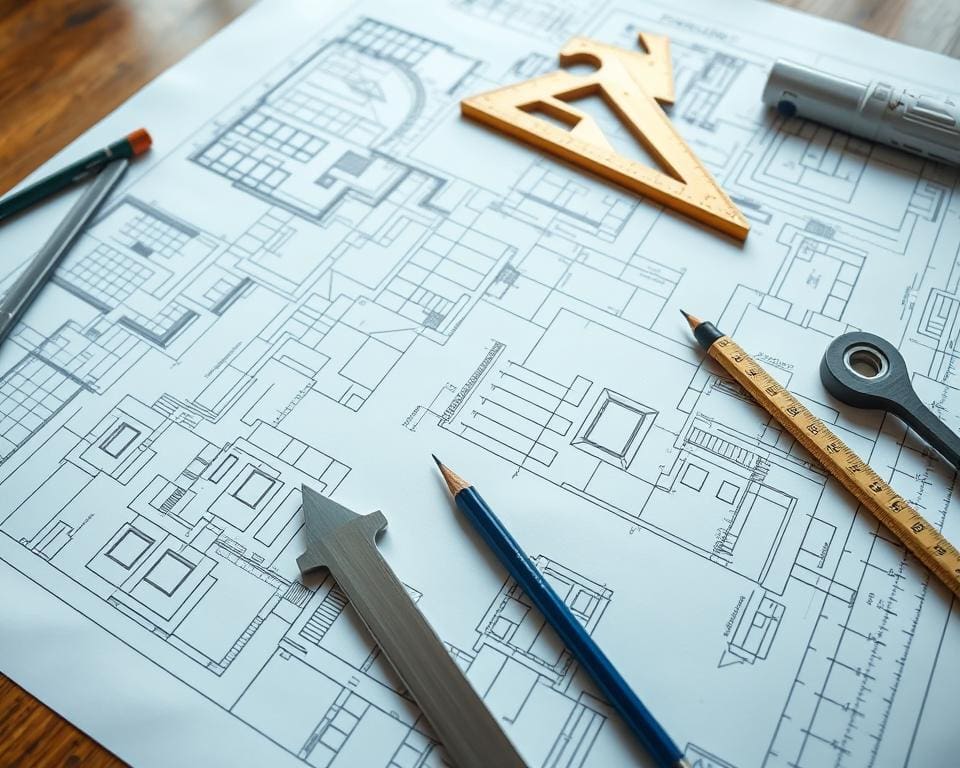
An architectural drafter plays a pivotal role in shaping the built environment by crafting essential documents for construction. Through the intricate drafting process, they transform abstract ideas into precise blueprints and construction plans that serve as the foundation for buildings and structures. This article explores the artistic and technical expertise required of architectural drafters, shedding light on the multifaceted creations that emerge from their skilled hands.
The Role of an Architectural Drafter
The role of an architectural drafter is pivotal within the construction industry, acting as a crucial link between the initial design concepts and the final construction output. Understanding the basics of drafting encompasses not only technical skills but also a deep comprehension of architectural design principles and workflows. An architectural drafter must proficiently use various software tools, applying these skills to produce detailed and accurate drawings.
Understanding the Basics of Drafting
The basics of drafting involve several components that together form the foundation of an architectural drafter’s responsibilities. Key elements include:
- Proficient use of computer-aided design (CAD) software
- Strong knowledge of architectural symbols and conventions
- Attention to detail to ensure precision in drawings
- Comprehension of structural and mechanical systems
These fundamentals equip drafters with the necessary skills to visualize complex designs effectively.
The Importance of an Architectural Drafter in Construction Projects
The importance of drafting cannot be overstated, as architectural drafters play a vital role in the success of construction projects. Their ability to produce clear and comprehensive drawings ensures that:
- Design specifications are adhered to throughout the project lifecycle
- Safety regulations and building codes are met, minimising risks
- Collaboration between architects and contractors is efficient and seamless
In essence, architectural drafters serve as foundational contributors to the accuracy and functionality of construction plans, affirming their essential status within the design team.
What does an architectural drafter create?
An architectural drafter plays a vital role in shaping our built environment. Through their expert skills, they create essential documents that guide the entire construction process. Key components of their work include blueprints, detailed construction drawings, and meticulously compiled specifications. These elements not only convey information but also inspire the vision behind architectural projects.
The Essence of Blueprints
Blueprints serve as the cornerstone of any construction project. They showcase the layout and dimensions of the building, ensuring that every detail aligns precisely with the architect’s vision. An architectural drafter’s creations encompass structural features, materials, and even construction methods. This foundational document acts as a roadmap for construction teams, guiding them through each phase of the project.
Detailed Construction Drawings
Building upon the initial blueprints, detailed construction drawings delve deeper into the specifics of each element. These drawings illustrate intricate details such as elevations, sections, and construction assemblies. An architectural drafter meticulously presents these elements to facilitate clear communication among builders, contractors, and clients. With these drawings in hand, teams can execute the project with confidence, knowing they have a precise reference to work from.
Specifications and Materials Lists
Specifications and materials lists round out the essential documents produced by architectural drafters. This component outlines the quality and type of materials required for construction, detailing how they should be utilised to achieve the desired outcome. By providing a clear framework, an architectural drafter ensures that builders understand what is needed and how to source it effectively. These specifications are critical in promoting quality and consistency throughout the project, reinforcing the importance of their creations.
The Artistry Behind Architectural Drafting
The craft of architectural drafting represents more than just technical skills; it embodies an artistry in drafting that breathes life into initial concepts. Drafters transform these ideas into visual representations that allow clients and architects to grasp the vision of the project. This crucial step ensures that everyone involved shares a unified understanding of what lies ahead.
Transforming Concepts into Visual Representations
Each line drawn and curve created serves a significant purpose, often marrying creativity with precision. Architectural drafters excel at converting abstract notions into tangible visuals, resulting in plans that communicate effectively. The ability to render complex ideas into understandable designs is fundamental in setting the foundation for a successful project.
Balancing Aesthetics and Functionality
A compelling design must not only evoke an emotional response but also meet practical needs. This connection between aesthetics and functionality is pivotal. Drafters craft spaces that are both visually pleasing and effective, considering how elements like shape, line, and space interact. Striking this balance is vital for ensuring that the final structures resonate with clients while serving their intended purposes.
The Tools of the Trade
Architectural drafters rely on a diverse array of tools to bring their designs to life. The choice of drafting tools significantly influences the quality and efficiency of their work. With both traditional and digital options available, understanding the strengths of each can enhance project outcomes.
Advanced Software Used by Architectural Drafters
Architectural software such as AutoCAD, Revit, and SketchUp has transformed the landscape of drafting. These advanced programs enable drafters to create intricate designs with unparalleled precision. Digital drafting streamlines the process, making revisions effortless and improving collaboration across teams. As a result, architectural drafters can efficiently realise their visions and adapt designs in real time.
Traditional vs. Digital Drafting Tools
While modern technology has ushered in a new era of drafting, traditional tools like pencils, T-squares, and compass still hold value in the realm of architectural design. Traditional drafting fosters a hands-on approach, promoting a deeper understanding of geometry and proportion. Both digital drafting and traditional methods have unique advantages, allowing drafters to choose what best suits their project needs. For many, a combination of both approaches yields the finest results in creating compelling architectural representations.
The Educational Path to Becoming an Architectural Drafter
Embarking on the journey of becoming an architectural drafter requires a solid educational foundation and the development of specific skills. Individuals interested in this career typically pursue a degree in architectural technology or a closely related field. This academic background equips aspiring drafters with essential qualifications that include a robust understanding of design principles and drafting techniques.
Essential Qualifications and Skills Required
To excel in the role of an architectural drafter, various skills must be cultivated. Competence in computer-aided design (CAD) software stands out as a critical requirement. Additionally, qualities such as spatial awareness, attention to detail, and a strong grasp of building materials contribute to a drafter’s effectiveness. An understanding of architectural concepts enhances their ability to create precise drawings and blueprints.
Continuing Education and Industry Certifications
As technology and design trends evolve, continuing education becomes imperative for drafters. Many professionals actively seek certifications from recognised organisations, which not only validate their expertise but also keep them abreast of the latest advancements in the field. Engaging in lifelong learning is vital for career progression, opening doors to new opportunities and advancements. These pursuits underscore the dedication to both personal and professional growth in the architectural drafting industry.
Collaboration with Architects and Engineers
The collaboration between architectural drafters, architects, and engineers is crucial for successful outcomes in any design project. Drafters play an integral role in the design team, ensuring that all elements of a project are cohesively linked. Their expertise in translating architectural visions into detailed drawings allows for a streamlined process.
How Drafters Support the Design Team
Architectural drafters provide essential support to the design team through their understanding of both aesthetics and structural integrity. This collaboration often involves the following:
- Incorporating feedback from architects to refine designs.
- Working closely with engineers to ensure structural feasibility.
- Developing accurate drawings that reflect the team’s collective vision.
The Importance of Communication in the Drafting Process
Effective communication is vital for fostering collaboration among all parties involved. Architectural drafters must communicate their ideas clearly to architects and engineers, enabling the integration of various perspectives into the design. This dynamic exchange enhances creativity and guarantees that every detail is properly represented in the drawings, ultimately contributing to the overall project success.
Career Opportunities for Architectural Drafters
The landscape of career opportunities for architectural drafters is both vibrant and expansive. With a strong foundation in design principles and technical skills, these professionals have the potential to thrive across various sectors. As the architectural drafting industries evolve, the demand for talented drafters continues to grow, presenting exciting prospects for those entering the field.
Possible Industries and Work Environments
Architectural drafters can explore a myriad of work environments, including:
- Residential construction firms
- Commercial design agencies
- Industrial building companies
- Government projects
- Independent contracting opportunities
Each of these settings offers distinct challenges and rewards, allowing drafters to apply their expertise in diverse contexts. Whether in a bustling architectural firm or working solo on custom projects, the variety of work enhances the allure of this profession.
Future Trends in Architectural Drafting Careers
As technology advances, future trends significantly influence the architectural drafting landscape. Drafters with proficiency in emerging tools, such as Building Information Modelling (BIM) and sustainable design practices, will find themselves at the forefront of innovation. Employers increasingly seek individuals who can integrate these technologies, ensuring their contributions meet modern demands. Staying abreast of these trends is essential for aspiring drafters to remain competitive and aligned with shifting industry standards.
Innovations in Architectural Drafting
The world of architectural drafting is experiencing a remarkable transformation, driven by cutting-edge technology advancements that elevate both efficiency and creativity in the field. Architectural drafting innovations such as virtual reality (VR) and augmented reality (AR) are revolutionising how drafters communicate their designs. By enabling clients to immerse themselves in spaces prior to construction, these technologies enhance understanding and engagement, allowing for more informed decisions throughout the design process.
Moreover, the rise of cloud-based collaboration tools has considerably improved the drafting process. These platforms allow for real-time updates and feedback, fostering seamless communication among all stakeholders. Drafters can instantly share revisions and adjustments with architects and engineers, significantly reducing delays and streamlining project timelines. This collaborative environment not only enhances productivity but also contributes to the overall quality of the final design.
To remain competitive in this dynamic landscape, it is crucial for drafters to stay abreast of these innovations. Embracing new technology and integrating it into their work not only enhances their skill set but also elevates the appeal of their designs. As the architectural industry continues to evolve, those who adapt to these advancements will undoubtedly lead the way in creating inspired, functional, and visually stunning spaces.