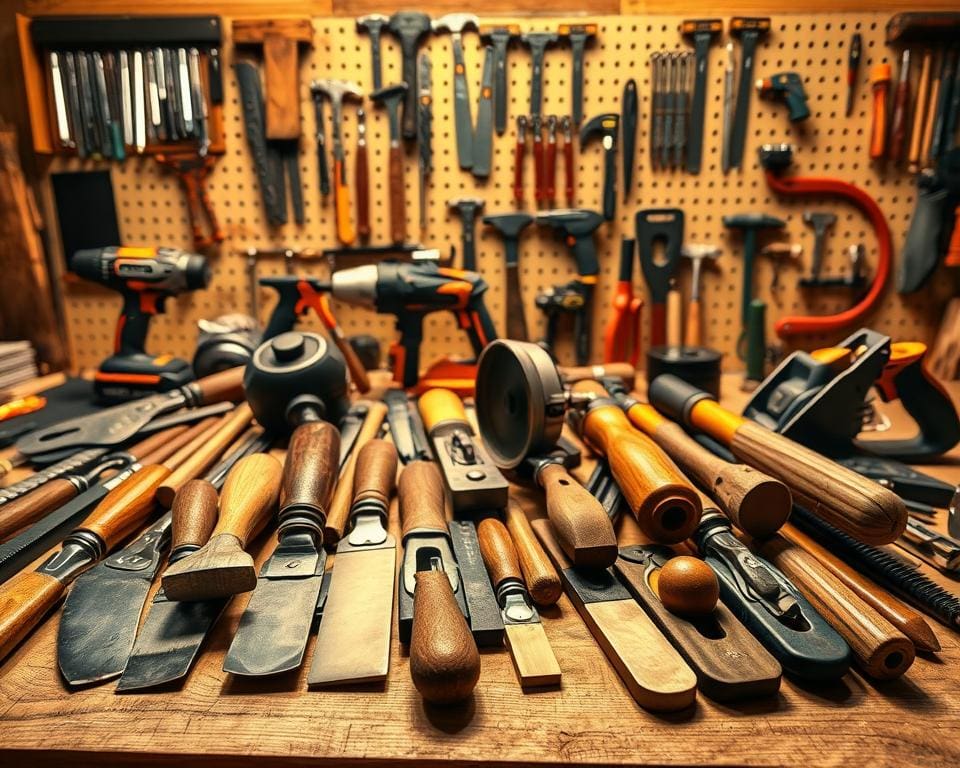
In the realm of carpentry, the landscape has transformed dramatically due to advancements in technology and materials. Today’s woodworkers require tools that not only refine their craftsmanship but also incorporate innovative features designed for efficiency and precision. The best tools for carpenters are crafted to meet the demands of modern carpentry, allowing for a seamless blend of skill and equipment. This article will delve into categories that highlight essential tools for carpenters, equipping you with insights into the innovative carpentry gear that can elevate your work. Prepare to explore the tools that define a new era in carpentry, setting the stage for both creativity and productivity.
Essential Hand Tools for Carpenters
Equipping oneself with the right hand tools for carpenters is vital for achieving exceptional results in any woodworking project. These tools not only enhance efficiency but also ensure precision and quality in work. This section highlights some of the most important hand tools that every carpenter should consider.
Quality Hammers and Nail Guns
A carpenter’s collection would be incomplete without quality hammers. Reliable brands like Estwing and Stanley offer a variety of choices, each designed for specific tasks. Hammers provide the necessary force for driving nails into wood securely. Meanwhile, nail guns, such as those from Paslode, are invaluable for speeding up the fastening process, allowing for efficient completion of projects.
Precision Measuring Tools
Accurate measurements form the foundation of any successful carpentry project. To that end, measuring tools like tape measures from Milwaukee and squares from Bosch play a crucial role. These instruments facilitate the precise marking and cutting of materials, ensuring that everything fits together flawlessly.
Trenchers and Chisels
For detailed woodwork and joinery, trenchers and chisels are essential. Brands like Narex and Irwin manufacture chisels that allow for fine detailing, while trenchers help in creating grooves for joints. These hand tools for carpenters are fundamental for achieving professional standards in craftsmanship.
Power Tools That Transform Carpentry
Carpenters today rely heavily on power tools to boost efficiency and precision in their work. The rise of cordless technology has reshaped the way professionals approach tasks, providing freedom of movement and seamless operation. This section delves into the significance of these innovations, spotlighting essential tools such as circular saws and impact drivers, which have become staples in any carpenter’s toolkit.
Introduction to Cordless Technology
Cordless technology has revolutionised power tools for carpenters. This innovation eliminates the limitations associated with being tethered to power sources, allowing for greater mobility on job sites. The convenience of rechargeable batteries has enhanced productivity, enabling carpenters to transition between tasks without interruptions. As brands like Bosch and Ryobi continue to develop more efficient battery designs, the appeal of cordless tools only grows.
Why Circular Saws Are Indispensable
Circular saws are vital in a carpenter’s arsenal due to their unmatched versatility. Brands such as Makita and DeWalt offer models that excel in cutting through various materials, from plywood to hardwood. These tools deliver precision and speed, making them ideal for both straight cuts and complex angles. A reliable circular saw facilitates efficient workflows, leading to improved outcomes in carpentry projects.
Impact Drivers vs. Drills
Understanding the differences between impact drivers and carpentry drills is crucial for making informed decisions in tool selection. While drills excel at creating holes and can be powerful for various tasks, impact drivers shine in driving screws and fastening applications with exceptional torque. This advantage allows carpenters to work faster and tackle larger projects with ease. Choosing the right tool for the right job can enhance overall performance and results.
What are the best tools for modern carpenters?
The landscape of carpentry continues to evolve, driven by the need for efficiency and precision. Modern carpenters benefit tremendously from multi-functional tools that enhance their versatility while simplifying tasks. These tools are crafted to embody the spirit of innovation, providing practical solutions to everyday challenges in the workshop.
Multi-Functional Tools for Versatility
Incorporating the best modern carpentry tools means embracing multi-functional designs that perform several tasks. For instance, the Festool Domino Joiner not only provides strong joints but also allows for various joinery techniques in one device. Similarly, the Bosch GCM12SD Glide Miter Saw showcases the engineering brilliance of combining precision cutting with smooth adjustments. Such tools reduce the need for multiple instruments, thereby increasing efficiency and productivity.
Innovative Tool Features to Look For
When selecting the right equipment, innovative carpentry features play a vital role. Ergonomic designs ensure comfort during extended use, minimising fatigue. Built-in safety mechanisms protect users from common accidents, reinforcing the importance of safety on the job. Digital displays contribute to accuracy, making measurements and adjustments straightforward. These enhancements translate into not just better tools but improved craftsmanship.
Woodworking Machinery for the Workshop
Investing in high-quality woodworking machinery significantly enhances a carpenter’s efficiency and precision in the workshop. Choosing the right equipment, such as table saws, jointers, planers, and router tables, forms the foundation of successful woodworking projects. Each machine has its unique purpose, contributing to the overall craftsmanship of wooden creations.
Table Saws: Choosing the Right One
When it comes to table saws, selecting a model that meets specific needs can greatly affect the quality of cuts. Factors such as blade size, motor power, and safety features play a crucial role. A reliable table saw ensures clean and accurate cuts, allowing for seamless jointing and assembly in projects.
The Impact of Jointers and Planers
Jointers and planers are indispensable for achieving flat surfaces and uniform thickness in wood pieces. Jointers, like the Jet JJP-12, help eliminate imperfections on the edges, ensuring perfect alignment during assembly. Planers, such as the DeWalt DW734, excel at refining wood to the desired thickness, further enhancing the overall quality of the finished product.
Router Tables for Precision Work
Router tables stand out for their unparalleled precision in shaping and finishing wood. They provide a stable platform for complex cuts and contours, ensuring that every detail is executed flawlessly. Investing in a quality router table not only elevates craftsmanship but also offers flexibility in design, making it an essential piece of woodworking machinery.
Safety Equipment Every Carpenter Needs
Ensuring safety on the job site is a fundamental aspect of carpentry. A commitment to using proper carpenter safety equipment can significantly minimise the risk of injuries. Personal protective equipment plays a vital role in safeguarding not only the well-being of carpenters but also enhancing their productivity.
Importance of Personal Protective Equipment (PPE)
Personal protective equipment, or PPE for carpenters, forms the first line of defence against potential hazards. Essential items to consider include:
- Safety glasses to protect the eyes from flying debris
- Gloves that provide grip while preventing cuts and abrasions
- Ear protection to guard against the noise generated by power tools
- Steel-toed boots that shield the feet from falling objects
Utilising the right equipment can significantly reduce the likelihood of injuries and ensure a safer working environment.
Ensuring a Safe Working Environment
Carpenters should be proactive in creating a safe working environment. Organising tools and materials helps prevent accidents caused by clutter. Awareness of hazards—such as unstable work surfaces or faulty equipment—is crucial. Implementing safety protocols fosters a culture of safety among team members. Regular safety training ensures that everyone understands the importance of using carpenter safety equipment effectively. A dedicated focus on maintaining a clean and organised workspace contributes to overall efficiency and success.
Emerging Technologies in Carpentry Tools
The carpentry industry is on the brink of revolutionary changes, driven by emerging carpentry technologies that promise to enhance efficiency and precision. Advanced tools for carpenters are becoming increasingly integrated with smart technology, paving the way for innovations that were once confined to the realm of imagination. For instance, augmented reality is now being utilised for design visualisation, enabling carpenters to experience their projects before the first cut is made. This not only streamlines the design process but also minimises costly mistakes.
Brands like Festool and Bosch are leading the charge in this technological transformation, incorporating mobile application connectivity into their products. This integration allows carpenters to interact with their tools in unprecedented ways, offering enhanced control and instant feedback that refine their craftsmanship. As the end user, carpenters can now leverage these tech innovations in carpentry to elevate their skills and adapt to an ever-evolving market.
Looking ahead, the future of carpentry tools is set to be defined by these advancements. Whether it’s AI-driven tools providing unmatched precision cutting or smart devices that help manage workflows more effectively, staying informed on these developments will be crucial for today’s carpenters. Embracing such emerging technologies could not only streamline processes but also inspire a new generation of craftsmanship, encouraging professionals to redefine their boundaries in the world of carpentry.