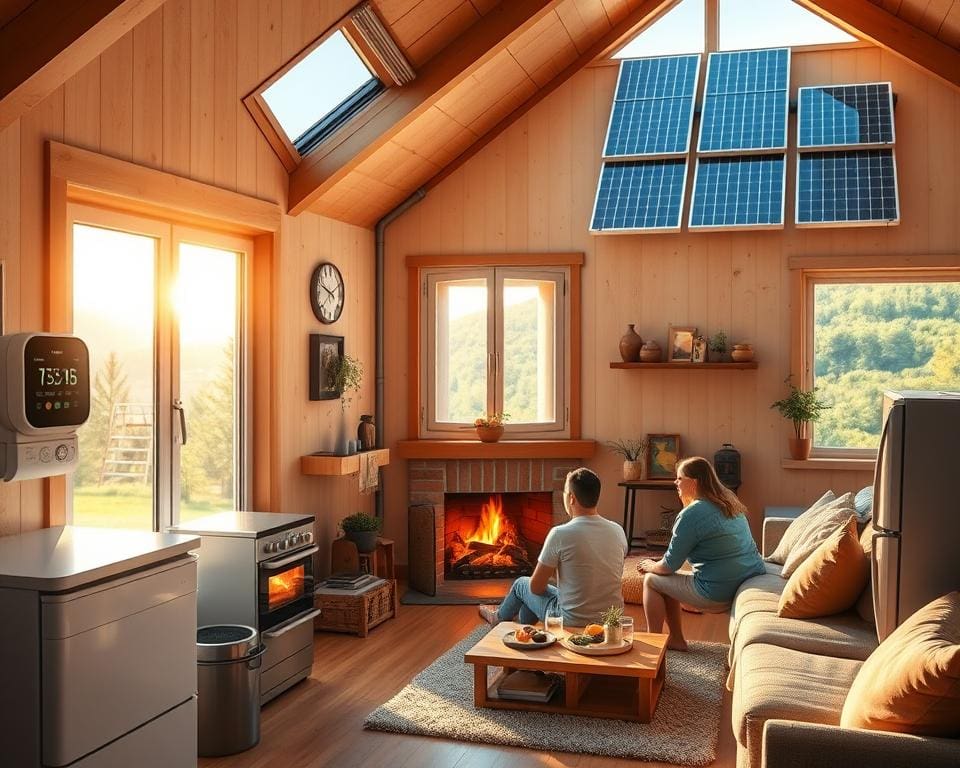
In today’s world, where sustainability is paramount, enhancing your home energy efficiency is not just a luxury; it’s a necessity. By embracing practical energy-saving tips, you can significantly reduce energy bills and contribute to sustainable living. This article serves as a comprehensive guide on various strategies to make your home more energy efficient. Through thoughtful considerations and innovative technologies, you have the power to minimise your carbon footprint while creating a comfortable living environment. Let’s embark on this journey towards a greener future.
Understanding Energy Efficiency
Energy efficiency plays a crucial role in creating a more sustainable home. Through the definition of energy efficiency, we understand that it involves using less energy to achieve the same level of comfort and service. This reduction in energy consumption leads to less waste and promotes an environmentally friendly lifestyle. Efficient homes typically incorporate advanced technologies, superior insulation, and high-efficiency appliances, all designed to optimise energy use.
What is Energy Efficiency?
At its core, the concept of energy efficiency revolves around maximising performance while minimising energy use. This encompasses various methods and innovations, ensuring that homeowners can enjoy all the comforts of modern living without excessive energy consumption. By adopting energy-efficient practices, households significantly contribute to energy consumption reduction, lowering both their carbon footprint and utility bills.
Benefits of an Energy Efficient Home
Investing in energy efficiency offers multiple advantages of energy saving for homeowners. Key benefits include:
- Lower energy bills due to reduced energy use.
- Increased property value, appealing to environmentally conscious buyers.
- Enhanced indoor comfort and improved air quality.
- Decreased maintenance costs over time.
- A collective positive impact on the environment, promoting a healthier planet.
By committing to energy efficiency, individuals not only enhance their living spaces but also play a vital role in the transition towards a more sustainable future.
How Can You Make Your Home More Energy Efficient?
The journey to an energy-efficient home begins with a few effective adjustments. Homeowners can implement immediate energy-saving changes that significantly contribute to reducing energy costs. Small modifications enhance efficiency and improve overall comfort without extensive renovation. For those seeking a more profound transformation, long-term energy solutions pave the way for sustainable living.
Simple Steps for Immediate Changes
There are numerous quick tips for efficiency that can yield immediate results. Taking time to seal any drafty windows and doors can create a more stable indoor temperature. Switching to LED lighting is another straightforward step that drastically reduces electricity consumption. Unplugging unused electronics prevents unnecessary energy draw. Enhancing thermostat settings for optimal comfort while using natural light maximises energy efficiency in everyday scenarios.
Long-Term Solutions for Greater Efficiency
For lasting improvements, investing in better insulation and energy-efficient windows can produce significant benefits. Integrating renewable energy sources, such as solar panels, offers sustainable home improvement for the environment and finances. Regular energy audits provide valuable insights into existing energy waste and pinpoint areas needing attention. Ultimately, embracing these long-term energy solutions leads to lasting savings and significant reductions in energy utilisation.
Insulation: Your First Line of Defence
Proper insulation is fundamental for maximising energy efficiency in any home. Understanding the various types of insulation materials and their applications can greatly enhance comfort while reducing energy costs. Each type of home insulation serves specific purposes, making it essential to select wisely according to individual needs.
Types of Insulation Available
Several types of insulation materials exist, each with unique properties that cater to different areas of the home. Common options include:
- Fibreglass: A popular choice due to its affordability and effectiveness, widely used in walls and attics.
- Foam: Excellent at preventing air leaks and suitable for both gaps and surfaces.
- Cellulose: An eco-friendly option made from recycled materials, ideal for attics and walls.
- Mineral Wool: Known for its heat and sound insulating qualities, often used in walls and ceilings.
Choosing the appropriate types of home insulation plays a significant role in achieving optimal thermal efficiency and can influence your overall energy savings.
How to Properly Insulate Your Home
When it comes to installation, the approach taken is crucial for ensuring the maximum effectiveness of insulation. Focus on areas prone to heat loss, such as attics, basements, and around windows. Adopting an insulation installation guide can simplify the process.
Homes should avoid gaps and compressions to optimise thermal performance. A well-insulated home not only maintains a consistent indoor temperature but also contributes significantly to reducing heating costs. For those unsure about the installation process, consulting with professionals or purchasing DIY kits for specific insulation types can be beneficial. Investing in double glazing further enhances insulation, advancing your home’s energy efficiency. More information can be found here.
Energy-Efficient Appliances
Choosing the right appliances for your home can have a significant impact on both energy consumption and your overall environmental footprint. Opting for energy-efficient appliances, such as washing machines, refrigerators, and dishwashers, can lead to reduced energy bills while promoting a sustainable kitchen. Brands like Miele, Bosch, and Siemens are known for their commitment to eco-friendly home appliances. When selecting these products, consider those that feature energy-saving capabilities to maximise efficiency and minimise costs.
Choosing the Right Appliances
Homeowners should prioritise energy-efficient appliances that not only adhere to rigorous sustainability standards but also make daily life easier. For example, washing machines designed to use less water and energy are ideal for anyone looking to maintain a lower carbon footprint. Investing in high-quality models can lead to substantial long-term savings and improve the efficiency of your home. Familiarity with appliance rating systems makes this decision easier and supports eco-friendly choices.
Best Energy Ratings to Look For
Understanding the EU energy label system is essential when selecting new appliances. This system rates appliances on a scale from A+++ to D, with A+++ indicating the highest energy efficiency level. Homeowners should aim for products with an A+++ rating to ensure they are making the best choices for their eco-friendly home appliances. Knowledge of appliance rating systems empowers consumers to recognise superior efficiency, leading to informed decisions that contribute to a more sustainable kitchen.
For detailed guidance on making your home more environmentally friendly, explore comprehensive resources available online that explain various aspects of energy efficiency, including energy-efficient appliances and other sustainable practices.
Renewable Energy Sources
As we look for ways to reduce our carbon footprint, renewable energy systems present a promising avenue for achieving sustainable energy solutions. Two popular options are solar panel installation and home wind turbines, both contributing to a greener future while providing potential cost savings.
Solar Panels: An Overview
Solar panels harness sunlight to generate electricity, significantly reducing dependence on fossil fuels. The efficiency of solar panel installation has improved over recent years, making it a viable choice for many homeowners. With the right setup, an average home can drastically lower utility bills while enhancing energy independence. Government incentives and rebates further assist in making renewable energy more accessible for those considering a solar transition.
Wind Turbines: A Sustainable Option
Home wind turbines are an eco-friendly way to generate electricity, especially in regions with consistent wind patterns. This renewable energy source can substantially diminish energy expenses, promoting sustainable energy solutions at a residential level. Individuals contemplating this technology should assess their properties for wind viability, ensuring the investment aligns with their specific conditions. For those interested in additional strategies to maximise energy efficiency, resources detailing power solutions for remote areas can offer valuable insights. Find out more about these solutions here
Smart Home Technology
Smart home devices are revolutionising the way we manage energy usage in our homes. With advancements in energy management technology, homeowners can now optimise their heating and cooling systems effectively. A key player in this shift is the smart thermostat, a device that offers numerous smart thermostat benefits while promoting automated energy saving.
Benefits of Smart Thermostats
Smart thermostats have become essential for those looking to enhance energy efficiency. These devices allow users to adjust temperatures remotely via mobile applications, adapting to their routines for optimal energy savings. Studies have shown that homeowners can save up to £150 annually by installing a smart thermostat, alongside substantial reductions in heating energy usage of 10-12% as suggested by Which?. Furthermore, automated adjustments based on user habits can potentially save an additional 20%, a fact highlighted by research from Nest.
Home Automation for Energy Savings
The integration of smart home devices extends beyond thermostats, creating an ecosystem that supports energy efficiency. By employing various energy management technologies, homeowners can synchronise smart plugs, lighting systems, and home assistants to further enhance their energy-saving initiatives. Establishing schedules or triggers not only reduces energy waste but also promotes a more sustainable lifestyle. With tools for automating everyday tasks, overall energy usage becomes more efficient, leading to significant savings over time. Exploring options available at platforms like smart thermostat benefits offers a deeper understanding of how these devices work together to foster a greener home environment.
Behavioural Changes for Energy Savings
Homeowners have a vital role in promoting energy efficiency through the adoption of energy conservation habits. By integrating simple practices into daily routines, such as turning off lights upon leaving a room, being cautious with water usage, and employing energy-efficient methods in cooking, households can significantly enhance their sustainability efforts. These minor adjustments can accumulate into substantial savings on energy bills, allowing for a greener lifestyle without sacrificing comfort.
Moreover, fostering a culture of sustainability within the home can further amplify behavioural energy savings. Engaging children in discussions about sustainable household practices instils the importance of conservation from an early age. This proactive approach not only educates the younger generation but also reinforces positive habits among all members of the household. As everyone becomes more mindful, the collective impact can bolster overall energy efficiency.
Encouraging regular maintenance checks on appliances and systems will mitigate inefficiencies that contribute to energy waste. Awareness of these essential actions not only confirms a commitment to lifestyle changes for efficiency but also incentivises everyone in the household to be proactive in their conservation efforts. Ultimately, by embracing these behavioural changes, families can play a significant role in creating a more sustainable future while also enjoying the benefits of reduced energy costs.