The art of mixing patterns remains a fascinating aspect of personal style that offers endless possibilities for creativity. Many individuals may hesitate to experiment with this trend due to concerns about overwhelming their outfits. However, in today’s fashion landscape, mixing patterns serves as a means of showcasing unique fashion expressions. With the right fashion advice and a few essential style tips, anyone can confidently navigate the world of pattern coordination. This section not only demystifies the concept of combining different designs but also highlights the psychological elements of visual aesthetics. Ultimately, understanding how to blend patterns gracefully can elevate one’s wardrobe and enhance overall elegance while embracing current fashion trends.
The Basics of Pattern Mixing
Understanding the fundamentals of pattern mixing can transform your wardrobe from mundane to extraordinary. Different pattern types contribute unique qualities to outfits, making the skill of combining them essential for any fashion enthusiast. This section explores various patterns and the importance of colour coordination in successful mixing prints.
Understanding Different Patterns
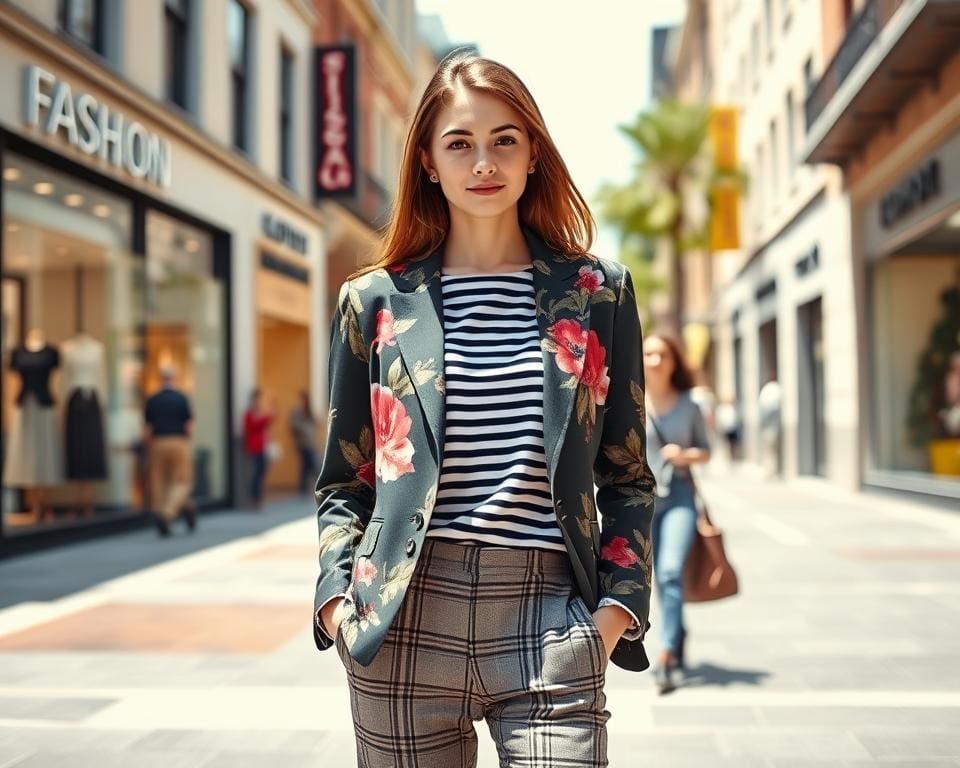
There are countless pattern types, but a few key styles stand out in the world of fashion. Stripes are classic and versatile, often used to elongate the figure or add structure. Florals, on the other hand, exude femininity and vibrancy, making them perfect for softening bold looks. Geometrics bring a modern edge, offering a graphic appeal that complements other patterns remarkably well.
Colour Coordination
Colour theory plays a crucial role in mixing prints effectively. The right combination of colours can enhance patterns, creating a cohesive aesthetic. Emphasising complementary colours can add harmony, while contrasting shades bring excitement and energy to an outfit. Understanding how hues affect perception and mood is essential for achieving a balanced look.
How do you mix patterns without overdoing it?
Mixing patterns can elevate your style, but it requires a thoughtful approach to maintain visual harmony. Start with a clear focal point that serves as the dominant pattern. This will guide your choices and create an anchor around which the entire outfit can revolve.
Start with a Dominant Pattern
Choosing a dominant pattern is essential for effective pattern mixing. Look for prints that resonate with your personal style, whether it be floral, geometric, or striped. Once you identify this key pattern, it not only enhances your outfit but also provides a foundation for incorporating additional elements. Consider prints like bold florals or oversized checks that can stand out without overwhelming the look.
Balance with Solids
Introducing solid colours into your ensemble is critical for achieving pattern balance. These solid pieces can effectively offset more intricate patterns, allowing the focus to remain on your dominant design. For instance, pairing a patterned top with trousers in a coordinating solid colour can create a cohesive look that feels polished and intentional. Use neutral shades for a subtle approach, or opt for a complementary hue to add personality while keeping the outfit grounded.
The Role of Scale in Pattern Mixing
Understanding the role of pattern scale can significantly elevate your style. Engaging with both large patterns and small patterns will add depth and intrigue to your outfit. Different scales create unique visual contrast, allowing for a myriad of style dynamics in your wardrobe. Mastering this balance provides opportunities to showcase your fashion creativity while avoiding overwhelming looks.
Large vs Small Patterns
Large patterns can serve as statement pieces, dominating the visual field and adding a bold flair to your ensemble. Examples include oversized florals or geometric designs that command attention. In contrast, small patterns operate with subtlety, offering intricate details that compliment the larger motifs. Their delicate nature can soften an outfit while drawing the eye in, allowing for a harmonious blend of elements.
Creating Visual Interest with Scale Differences
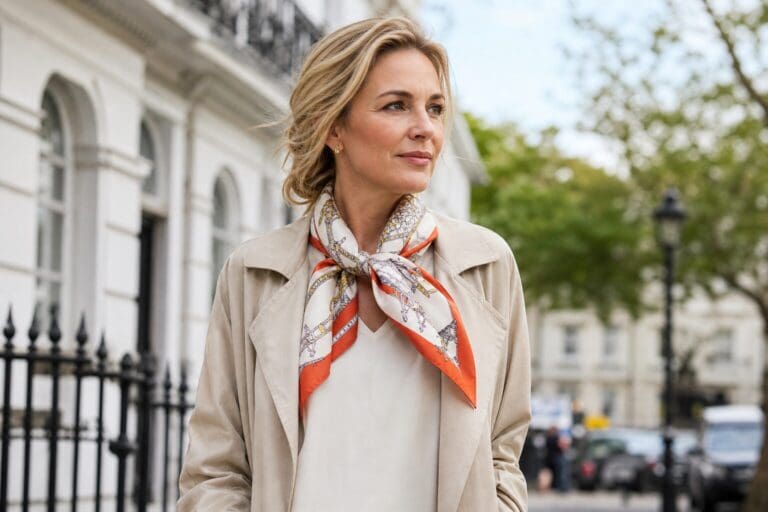
Mixing different pattern scales introduces a captivating rhythm to your attire. By juxtaposing large patterns with small patterns, you create a striking visual contrast that enhances overall appeal. To achieve this, consider layering methods or using accessories, such as scarves or belts, to incorporate varying sizes. This approach not only introduces style dynamics but also enhances the complexity of your fashion narrative.
Choosing the Right Colour Palettes
When it comes to effective pattern mixing, selecting the right colour palettes plays a vital role. The harmony or discord of colours can elevate or diminish a design’s appeal. Understanding the principles behind complementary colours and monochromatic schemes empowers you to create stunning combinations that enhance your patterns.
Complimentary Colour Schemes
The concept of complementary colours revolves around choosing pairs of colours that reside opposite each other on the colour wheel. This method generates a vibrant contrast, capturing attention and providing visual stimulation. When employing complementary colour schemes, consider the following:
- Experiment with various shades of each colour to find a balance.
- Incorporate neutrals to soften bold combinations.
- Use one colour as the dominant hue and the other as an accent for a sophisticated look.
Monochromatic Approaches
Monochromatic schemes involve variations of a single colour, including different tones, tints, and shades. This approach creates elegance and unity, allowing for creative expression without overwhelming the observer. Here are ways to make the most of monochromatic palettes:
- Layer different textures within the same colour family for depth.
- Mix patterns in the same colour but vary their scale for added interest.
- Consider the emotional impact of the chosen colour, as it sets the overall mood.
Tools and Tips for Successful Pattern Mixing
To enhance your pattern mixing journey, consider integrating some invaluable tools into your wardrobe repertoire. Fashion apps such as Stylebook or Cladwell serve as effective pattern mixing tools, allowing you to visualise different outfit combinations before you even try them on. These applications empower you to experiment confidently with various styles and patterns, enabling you to explore a plethora of options that align with the principles of colour coordination and scale discussed earlier.
In addition to digital solutions, delving into books on colour theory can expand your understanding of how hues interact with one another, providing essential fashion advice when it comes to selecting your patterns. Titles like “The Art of Colour” offer insights that can prove beneficial as you navigate your wardrobe, helping you make informed choices and avoid clashing designs.
Moreover, utilising digital platforms like Pinterest can prove to be a treasure trove of inspiration. By curating boards that feature various styling tips and visual aids, you can easily refer back to looks that resonate with your personal style. Embracing these strategies will not only broaden your styling options but also encourage you to express your creativity through pattern mixing, creating a unique and dynamic wardrobe that reflects your individuality.