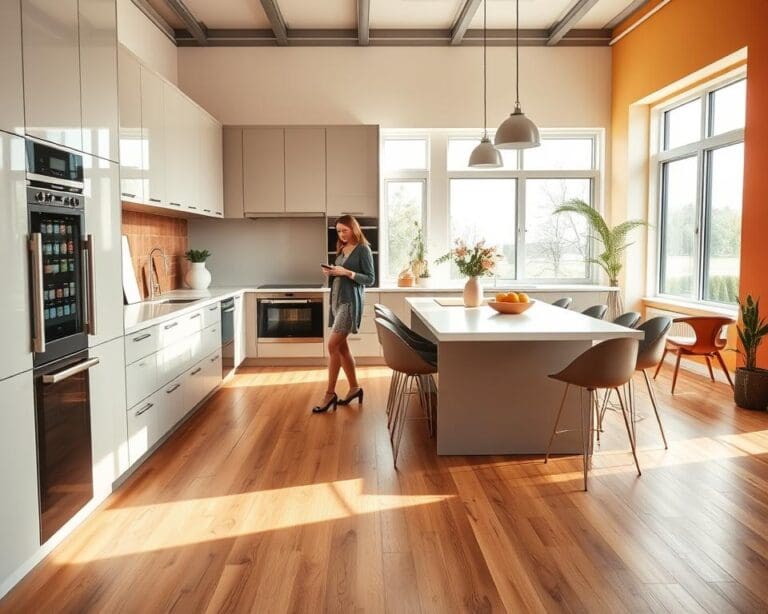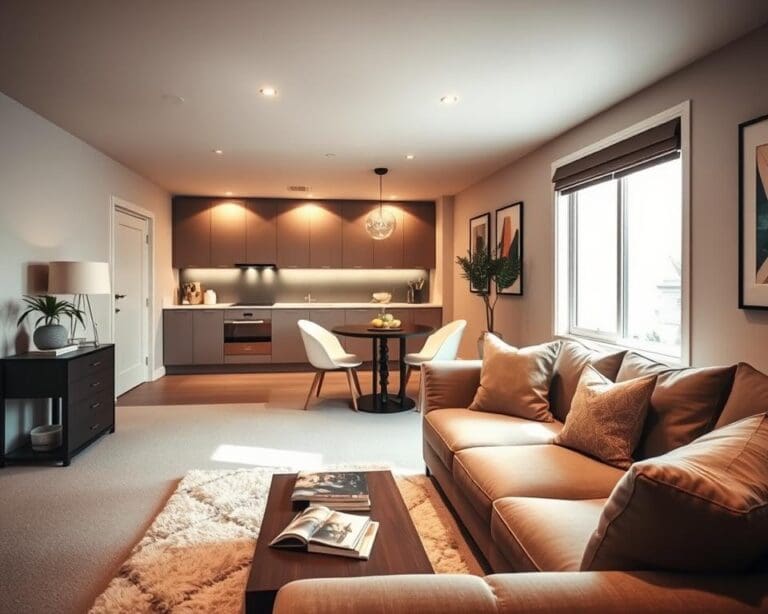
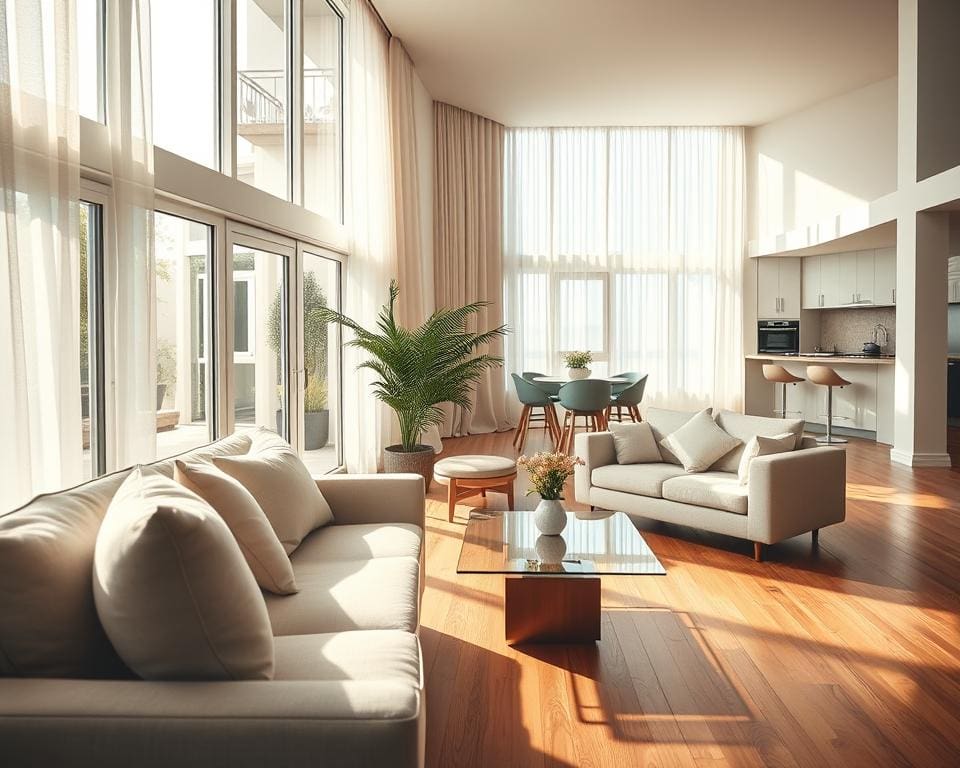
In the realm of home design, the concept of spacious homes transcends mere square footage. It encompasses an open space design that fosters an airy ambience, allowing occupants to breathe freely and embrace comfort in their surroundings. An effective home interior creates a harmonious atmosphere that promotes relaxation and reduces stress. With thoughtful renovation tips and an understanding of various design elements, one can curate an environment that feels expansive and inviting. This section sets the stage to explore how the interplay of layout, colour schemes, and furniture arrangement can transform a home into a serene sanctuary.
Utilising Natural Light
Natural light serves as an essential element in creating a spacious and welcoming atmosphere in any home. Harnessing the power of this natural resource can dramatically enhance the perception of space, making areas feel more expansive and inviting. Key strategies include installing large windows, selecting light-coloured curtains, and incorporating reflective surfaces, all of which contribute to an overall bright and airy environment.
The Benefits of Large Windows
Large windows allow ample natural light to flood into living areas, effectively opening up spaces. This increased light exposure not only reduces reliance on artificial lighting but also connects the indoors with the outdoors, fostering a sense of harmony. When natural light pours in, it helps to brighten space, creating a vibrant and uplifting ambience.
Choosing Light-coloured Curtains
Opting for light-coloured curtains is a simple yet effective way to maximise the benefits of natural light. These curtains permit sunlight to filter through while ensuring privacy remains intact. By selecting materials that allow light to penetrate, one can achieve a balanced and inviting atmosphere, making even the smallest rooms feel larger and more airy.
Reflective Surfaces to Enhance Light
Utilising reflective surfaces, such as mirrors and glossy finishes on furniture, can amplify the effects of natural light within a home. These surfaces capture and bounce light around the room, enhancing brightness and contributing to an illusion of space. By incorporating such elements thoughtfully, one can truly transform any area into a sanctuary filled with light and warmth.
Open Floor Plans: A Modern Approach
The trend of open floor plans redefines the way we interact with our living spaces, fostering a sense of connectivity and flow throughout the home. This design philosophy encourages thoughtful furniture arrangement, enabling the creation of distinct zones within an expansive environment. These zones encompass various areas such as living rooms, dining sections, and work nooks, all while preserving an overall feeling of openness.
Creating Zones with Furniture Arrangement
A well-planned furniture arrangement is essential for effective zone creation within an open floor plan. Opting for strategically placed sofas, rugs, or shelves can delineate different functionalities in a space. For instance, a comfortable sofa might serve as a boundary between the living area and the dining space. Choosing furniture that complements each other’s style enhances the aesthetic appeal and encourages seamless transitions between zones.
Incorporating Multi-functional Spaces
In today’s fast-paced world, the integration of multi-functional spaces has become paramount. Homes that serve as a sanctuary must accommodate a variety of needs without compromising style. Consider incorporating a guest room that doubles as a home office or a dining table that can fold away when not in use. Such innovations maximise utility while retaining the spacious feel characteristic of modern interior design. By optimising every square metre, homeowners can enjoy the luxury of functionality combined with elegance.
What makes a home feel spacious and open?
Creating an expansive feel in a home involves more than just square footage; it encompasses design principles that inspire a sense of openness. One essential aspect is the embrace of minimalism in design. A clutter-free environment can dramatically enhance not only the aesthetics of your space but also your mental well-being.
Importance of Minimalism in Design
Minimalism promotes a simplified approach to interior design, advocating for fewer possessions and a focus on functional items. This ethos supports greater space optimisation, allowing for a more serene and airy environment. By selecting a select number of high-quality pieces, one can achieve an uncluttered look that feels both spacious and inviting.
Decluttering for a More Airy Environment
The act of decluttering can transform any room into a more calming space. Removing unnecessary items creates an impression of ample room. Beyond aesthetics, decluttering provides psychological benefits, fostering mental clarity and reducing stress. A serene environment offers a sanctuary from the chaos of daily life, making it crucial to regularly assess and reorganise belongings.
Smart Storage Solutions for Small Spaces
Implementing smart storage solutions can significantly enhance the functionality of compact areas. Consider features like built-in shelving, which provides ample storage while maintaining a streamlined look. Under-bed storage is another clever tactic that discreetly conceals items, keeping spaces neat. Emphasising organisation alongside aesthetic appeal not only preserves an airy environment but also maximises the effectiveness of the living area.
Choosing the Right Colour Palette
Selecting the appropriate colour palette holds significant power in shaping the ambiance of a home. It can evoke emotions and alter perceptions of space, making even the coziest corners feel expansive. Neutral tones feature prominently in successful interior design, offering a tranquil backdrop that fosters calming spaces. These understated hues enhance the perception of openness, effectively making a room feel larger and inviting.
Neutral Tones for a Calming Effect
Soft whites, warm beiges, and gentle greys create an atmosphere of serenity. These neutral tones not only reflect light efficiently but also allow for personal expression through the careful selection of accent colours. Incorporating shades such as greige or taupe creates a soothing environment while highlighting other elements within the space. The choice of finish can further enhance this effect; satin and eggshell finishes provide a subtle sheen that contributes to a soft, inviting aesthetic.
Accent Colours to Add Depth Without Clutter
Accent colours offer a fantastic way to introduce vibrancy and warmth, capturing the attention of anyone who enters the space. Thoughtful use of bold colours like deep navy or emerald can establish focal points without overwhelming the overall design. Combine these vivid accents with the foundational neutral tones for balance. Using carefully chosen colour combinations ensures that each area maintains clarity while expressing individuality and charm.
Incorporating Vertical Space
In many homes, the concept of vertical space often remains an untapped resource, resulting in underutilised areas that could otherwise elevate the ambience. By strategically incorporating wall decor such as tall furniture or vertical artwork, you can draw the eye upwards, creating an impressive illusion of room height. This not only maximises space but also introduces character and visual interest throughout your living spaces.
In addition to enhancing aesthetics, using tall bookcases or elongated wall hangings can foster a sense of grandeur in a room. The careful selection of vertical elements can significantly alter how a space feels, allowing for a balanced and spacious atmosphere that welcomes both residents and guests. Consider also investing in slimline shelving that aligns with the vertical theme, further contributing to the perception of height and openness.
When discussing the importance of incorporating vertical features, whether in new builds or renovations, one cannot overlook the impact these choices have on usability. Well-placed items not only beautify the walls but also create functional spaces that maximise room height, ensuring every inch is thoughtfully used. For more tips on creating a wider feel in various areas of your home, explore how you can effectively enhance vertical space to transform your environment into a more expansive and inviting haven.