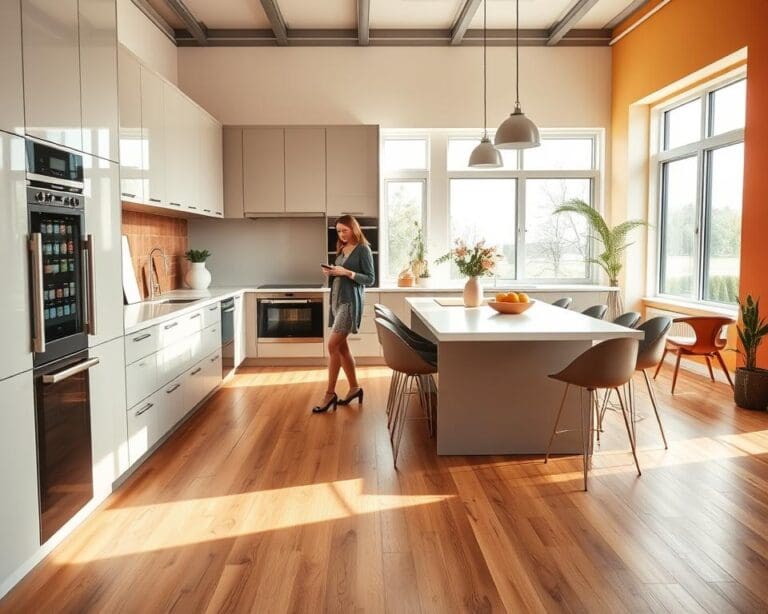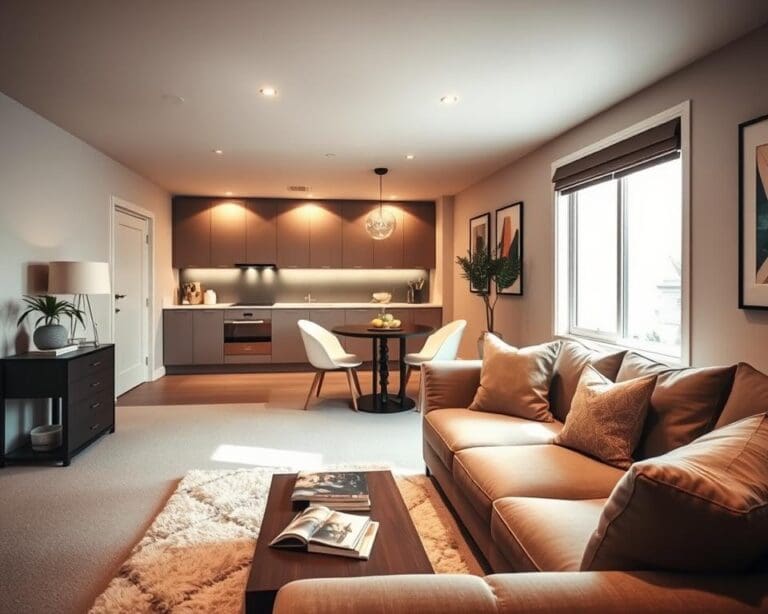

Thoughtful design is not merely about aesthetics; it plays a crucial role in enhancing the quality of life for individuals and communities alike. By making intentional design choices in residential design, public spaces, and workplaces, we can significantly improve living conditions. The design benefits extend beyond visual appeal to include functionality, comfort, and emotional well-being.
Emphasising user-centric approaches and incorporating sustainable practices, thoughtful design serves as a catalyst for healthier and happier lifestyles. Through innovative strategies, we can create environments that not only inspire but also nurture social connections and mental wellness.
The Impact of Thoughtful Design on Daily Living
Thoughtful design has the power to transform everyday environments, making them more welcoming and practical. By understanding how to create functional spaces and enhance aesthetic appeal, residential design becomes a catalyst for improved daily living. Each element plays a vital role in ensuring that spaces are not just visually pleasing, but also purpose-driven.
Creating Functional Spaces
Functional design prioritises usability and accessibility within residential environments. Careful furniture arrangement can create a harmonious flow of movement, allowing residents to navigate their homes seamlessly. This minimises clutter and frustration, promoting a more dynamic way of living. Incorporating purpose-driven spaces within the design encourages activities, whether it is a serene reading nook or an efficient home office.
Enhancing Aesthetic Appeal
Aesthetics significantly contribute to the atmosphere of a home. Thoughtful choices in colour palettes, materials, and textures can evoke emotions and inspire residents. By blending function with beauty, a space transcends everyday life and becomes a personal sanctuary. The interplay of aesthetics and functional design elevates daily living, creating a setting that motivates and rejuvenates those who inhabit it.
How can thoughtful design improve quality of life?
Thoughtful design plays a crucial role in enhancing quality of life through the promotion of mental wellbeing and the encouragement of community engagement. The characteristics of a given environment can significantly influence individuals’ emotional and psychological states. By creating spaces that are conducive to relaxation and interaction, designers can foster a resilient community spirit.
Boosting Mental Wellbeing
The incorporation of elements such as natural light, soothing colours, and greenery within a design can enhance mental wellbeing. These features have been shown to reduce anxiety, promote perspective shifts, and instil a sense of calmness. When environments prioritise comfort and tranquillity, individuals often experience improved mood and mental clarity. Such thoughtful integration can lead to substantial benefits in personal wellbeing.
Encouraging Social Interaction
Community design focused on facilitating interpersonal interaction strengthens social connection. Spaces intentionally created for gatherings, social activities, or collaboration—like parks, community centres, and co-working environments—encourage individuals to engage with one another. This interaction not only nurtures relationships but also fosters a sense of belonging in the community, promoting overall happiness and satisfaction.
Elements of Thoughtful Design
Thoughtful design encapsulates various essential components that elevate living spaces and enhance overall quality of life. Two core elements within this realm are the use of natural light and the incorporation of sustainable materials. These elements are not just trendy choices; they carry profound benefits for both inhabitants and the environment.
Use of Natural Light
Natural light plays a pivotal role in transforming interiors. Enhanced daylighting fosters a sense of openness and warmth, boosting mood and productivity. Exposure to sunlight can significantly improve one’s well-being while assisting in reducing energy costs through natural illumination. Strategic placement of windows or skylights ensures that spaces become vibrant, inviting areas where inhabitants feel energised and inspired. Integrating natural light as a design element promotes a healthier lifestyle, encouraging both physical and mental wellness in daily routines.
Incorporating Sustainable Materials
Embracing eco-friendly materials is crucial in the face of environmental challenges. Sustainable design not only serves aesthetic purposes but also aligns with growing sustainability goals. Materials like bamboo flooring and recycled metals demonstrate a commitment to reducing environmental impact while providing captivating design elements. These choices enhance the visual appeal of spaces while cultivating a sense of responsibility towards the planet. Selecting eco-friendly materials empowers individuals to create homes that are as kind to the environment as they are beautiful.
The Role of Space Planning in Quality of Life
Strategic space planning significantly enhances the quality of life, especially in urban environments where space is limited. Thoughtful arrangements can transform even the tiniest flat into a haven of comfort and usability. Mastering small space design involves clever solutions that cater to individual needs, offering a functional arrangement that invites ease and style.
Maximising Small Areas
Incorporating multifunctional furniture is a vital technique in maximising small areas. Items such as sofa beds, extendable dining tables, and storage ottomans allow for versatility without sacrificing space. Additionally, vertical storage solutions optimise available height, utilising walls effectively while keeping the floor clear. These innovative strategies not only provide essential storage but encourage a sense of openness and accessibility.
Promoting Organisation and Simplicity
Emphasising organisation through minimalism plays a key role in enhancing daily life. A clutter-free environment fosters clarity and reduces stress, as each item in a home has a designated place. Simplifying living spaces brings forth visual harmony, allowing for better focus and productivity. Thoughtful space planning leads to environments that promote tranquillity and efficiency, showcasing the positive effects of a well-ordered home.
Psychological Benefits of Thoughtful Design
Understanding the psychological impact of thoughtful design reveals its profound influence on our well-being. The environments we inhabit can either heighten stress levels or foster peace and feelings of belonging. By creating spaces that prioritise comfort in design, we can promote stress reduction and a sense of community.
Reducing Stress Through Design
Crafting serene environments is essential for stress reduction. Incorporating soundproofing, calming artwork, and nature themes can significantly mitigate environmental stressors. These design choices help create a soothing backdrop for daily life, contributing to overall mental clarity and emotional balance.
Utilising natural materials such as wood and stone can enhance the psychological effect. The warmth of these elements fosters a connection to the outdoors, reinforcing feelings of safety and comfort within a space. This thoughtful approach also encourages individuals to engage in mindfulness, thus aiding in stress management.
Cultivating a Sense of Belonging
Thoughtful design also plays a crucial role in cultivating a sense of belonging. Spaces that encourage interaction—such as shared courtyards or inviting lounges—help strengthen social bonds. These environments provide emotional support networks, enriching our lives with meaningful connections.
Creating areas that invite conversation can significantly uplift the communal experience, enhancing both individual and collective well-being. By fostering an atmosphere of inclusiveness, design can positively affect relationships, making spaces feel more personal and connected. For those looking to refresh their spaces, exploring ways to enhance comfort and emotional resonance could lead to transformative outcomes. Practical strategies can be found in this resource.
Case Studies: Successful Thoughtful Design Implementations
Examining real-world examples offers insight into how successful design can transform spaces into havens of harmony and community. These case studies illustrate the powerful effects of thoughtful planning in residential and public environments, highlighting how such design principles contribute to overall quality of life.
Homes that Inspire Harmony
Various residential projects demonstrate that thoughtful design fosters a sense of harmony at home. For instance, the Eco-Family House in Wales showcases how sustainable materials and energy-efficient solutions contribute to a tranquil living environment. This home integrates natural light and open spaces, encouraging a feeling of serenity. Another remarkable example is the Cedar House in London, which utilises minimalist design principles to create an inviting atmosphere that promotes well-being among family members.
Community Spaces that Foster Connection
Community design examples, such as the Bold Street Community Garden in Liverpool, reveal the role of public spaces in nurturing connections among residents. This garden promotes collaboration and engagement, allowing local inhabitants to grow plants together while building friendships. Similarly, the Granary Square in King’s Cross, London, serves as a dynamic gathering place for various events, fostering a sense of unity and belonging. These spaces exemplify how design that prioritises community needs can greatly enhance social interaction and engagement.
Future Trends in Thoughtful Design
As we look to the horizon, various design trends are emerging that reflect a deeper understanding of how our environments shape our lives. One prominent concept is biophilic design, which integrates nature into living spaces by incorporating indoor greenery and natural aesthetics. This approach not only enhances the visual appeal but also promotes well-being, providing individuals with a strong connection to the natural world even within urban settings.
Sustainability remains a critical focus in the future of living, as innovative design moves towards practices that reduce environmental impact. The development of zero-energy homes showcases how technologies can be harmonised with sustainable practices, creating energy-efficient spaces that require minimal additional resources. Such designs encourage responsible consumption and foster a lifestyle committed to ecological preservation.
Additionally, the integration of technology is set to redefine how we engage with our homes. Smart homes equipped with environmentally conscious features are on the rise, allowing residents to optimise energy use and enhance comfort through intelligent design solutions. As these elements evolve, they illustrate the future trajectory of thoughtful design, addressing the intersection of modern functionality and environmental responsibility.