Rugs and cushions are simple, high-impact pieces that change how a room feels. With the right home decor rugs cushions you can add texture, warmth and personality to any space. They make a cosy living room feel inviting and a bedroom soothing, while also protecting floors and softening sound.
Practical benefits go hand in hand with aesthetics. A well-chosen rug improves thermal comfort and absorbs noise, and cushions add comfort while keeping furniture looking fresh. Whether you live in a family home, a rented flat or a period property, balancing style, comfort and maintenance is key.
You will find guidance here on why rugs and cushions matter, how to choose the right pieces, and how to arrange them for both style and function. The article also covers seasonal swaps and upkeep so your soft furnishings UK stay inviting year-round.
For sourcing, consider well-known retailers and designers such as John Lewis & Partners, Habitat, Next, Dunelm, MADE.com, The Rug Seller and Oliver Bonas for cushions. These outlets stock natural and synthetic options and often provide care guidance to help you maintain your investment.
Think about sustainability when choosing fabrics. Natural fibres like wool, cotton, jute and silk offer breathability and longevity, while polyester and polypropylene can be durable and easy to clean. Look for certifications such as Woolmark and Oeko-Tex, or recycled-content cushions and rugs, to make responsible choices that suit your home.
Throughout this guide you will pick up practical rugs and cushions tips and cosy home ideas to create a welcoming space that reflects your style and meets everyday needs.
Why rugs and cushions matter for a cosy home
Rugs and cushions do more than fill space. They shape how you feel in a room, change acoustics, and help create distinct comfort zones for everyday living. Small additions can make a big difference to living room comfort and to the overall mood of your home.
The psychological impact of texture and colour
Tactile qualities such as plush pile, boucle, velvet and knitted cushions trigger a sense of ease. When you touch soft fibres, your body often responds with lower tension and a calmer heart rate. Design psychology shows sensory input affects mood and perceived comfort, so choose textures that invite you to linger.
Colour plays a key role too. Warm hues like terracotta, ochre and warm grey create intimacy. Cool tones such as blues and greens calm a space. Neutral palettes act as a cosy backdrop and let accent cushions add personality. Muted tones usually read as more restful, while saturated colours bring energy.
Use texture alongside colour to build warmth. Layering a few different fabrics gives a richer sensory experience without needing bold shades. This approach balances the psychological effects of colour and texture for a subtle, welcoming room.
How soft furnishings improve warmth and sound insulation
Rugs add real thermal benefits to hard floors like wood, tile and stone. A thick-pile or wool rug reduces heat loss and makes your feet warmer on cold mornings. You will notice rooms feel warmer with textiles underfoot compared with bare flooring.
Textiles also absorb sound. Rugs, cushions, curtains and upholstered furniture lower reverberation and cut ambient noise. Hard surfaces reflect sound, while soft furnishings can significantly reduce echo in open-plan areas. The result is a quieter, more intimate home.
Rugs offer practical gains too. They reduce slip risk on polished floors and protect wooden boards from wear, helping your interiors last longer while improving warmth and sound insulation.
Creating comfort zones for different rooms
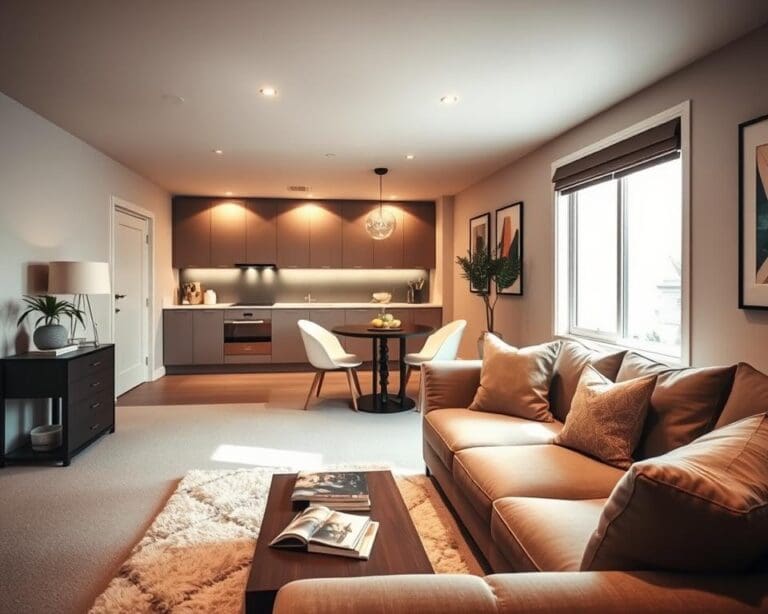
In the living room, place a rug centrally to define the seating area and anchor furniture. Cushions on sofas and armchairs provide back and side support for longer relaxation and boost living room comfort.
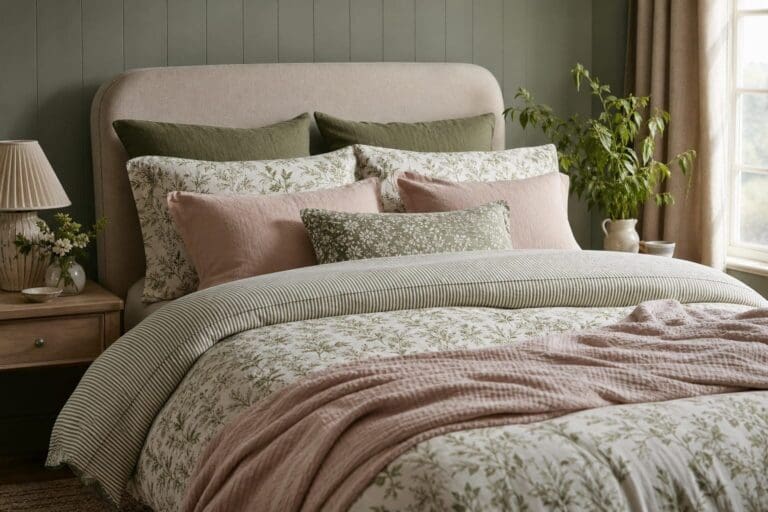
For bedrooms, add runners or bedside rugs so your feet meet soft surfaces first thing. Layering cushions of different sizes — European, standard and bolsters — creates depth and a hotel-like feel. These bedroom cosy tips make sleep spaces more inviting.
Use low-pile, durable rugs for dining areas to allow chair movement, and runners for high-traffic halls to protect floors while adding softness. In multi-use flats, zone work and relaxation areas with rugs so each activity feels separate and calm.
Choosing the right home decor rugs cushions for your space
Start by measuring your room and picturing how furniture sits. A well chosen rug and a thoughtful cushion mix will pull a scheme together and make daily life more comfortable. Use a simple plan before you shop so decisions about size, shape and fabric feel clear.
To choose rug size, aim for a piece that sits under key furniture. In living rooms, you can place all legs on the rug for a grand look or at least the front legs of sofas and chairs for a cosy grouping. Common sizes that work well are 160x230cm, 200x300cm and 240x340cm.
For dining rooms, allow 60–75cm beyond the table edges so chairs stay on the rug when pulled out. Rectangular rugs suit most living and dining spaces. Round rugs are ideal under circular tables and in compact nooks. Runners work best in corridors or beside beds.
Balance is important. Small rugs can fragment a space while oversized rugs can unify awkward layouts. Use a rug shape guide to test proportions before you buy.
Selecting cushion sizes, fills and fabric for comfort
Think about cushion sizes and fills to match how you sit and relax. Popular UK cushion sizes include 43x43cm, 50x50cm and 65x65cm. Bolsters or rectangular cushions around 30x50cm give useful lumbar support.
Feather and down mixes feel luxurious and recover shape well. Hollowfibre or polyester fills are affordable, hypoallergenic and easier to wash. Memory foam inserts give firmer support for reading or working on the sofa.
Choose fabrics by touch and performance. Velvet and chenille feel sumptuous. Cotton and linen breathe and wash well. Wool is warm and resilient. Synthetic blends can resist stains. Pick covers with zips so you can remove and launder them or replace inserts as needed.
For a lively look, mix fill types: firmer back cushions with softer fronts give both support and a relaxed appearance.
Colour palettes and pattern mixing for a harmonious look
Begin with a base neutral for large items, then add two or three accent colours drawn from your rug or cushion tones. Include metallic or natural accents for contrast. Use the 60-30-10 rule adapted for textiles: 60% neutral, 30% rug tone and 10% cushions or throws as accents.
When you use pattern mixing tips, vary scale and limit the palette. Pair a large-scale rug pattern with small-scale cushion prints. Keep colours across patterns to three or four so the scheme feels cohesive. Add a plain cushion or a simple rug to rest the eye among busy patterns.
Practical considerations: durability, cleaning and pet-friendly options
Choose durable rugs for high-traffic areas by checking Martindale abrasion ratings. Wool and robust synthetic blends will last longer. For easy care, low-pile or flatweave rugs vacuum more readily and accept stain treatments well.
For cushions, pick removable covers and consider performance fabrics if you expect heavy use. Pet-friendly cushions should be hardwearing and easy to wash. Darker tones or patterned fabrics hide hair and stains better than pale plains.
Use slip-resistant pads and vinyl-backed rugs to keep pieces stable under active feet and paws. Many synthetic rugs can be spot cleaned or machine-washed, while wool rugs benefit from professional cleaning every few years.
Arranging rugs and cushions to enhance style and function
Good placement makes your room feel curated and welcoming. You can use rugs and cushions to define zones, guide sightlines and add tactile interest without overwhelming the space. Below are practical steps to layer and style pieces so they look both intentional and lived-in.
Layering rugs: tips for texture and depth
- Start with a large neutral base rug to set the boundary of your seating area. Place a smaller, textured or patterned rug on top to add character and define a focal spot.
- Use a rug pad beneath both layers to stop slipping and protect wooden floors. This also lifts the top rug so the texture reads better.
- Pair textures for contrast: a flatweave jute or sisal base works well with a plush wool or shaggy top rug. Keep colours complementary to avoid clashing.
- Mind scale and proportion. Centre the smaller rug on the larger one or position it to anchor a coffee table. Avoid covering most of a small room with too many layers.
- For upkeep, lift the top rug for cleaning or seasonal swaps. Layering often makes maintenance simpler and quicker.
Styling cushions on sofas, armchairs and beds
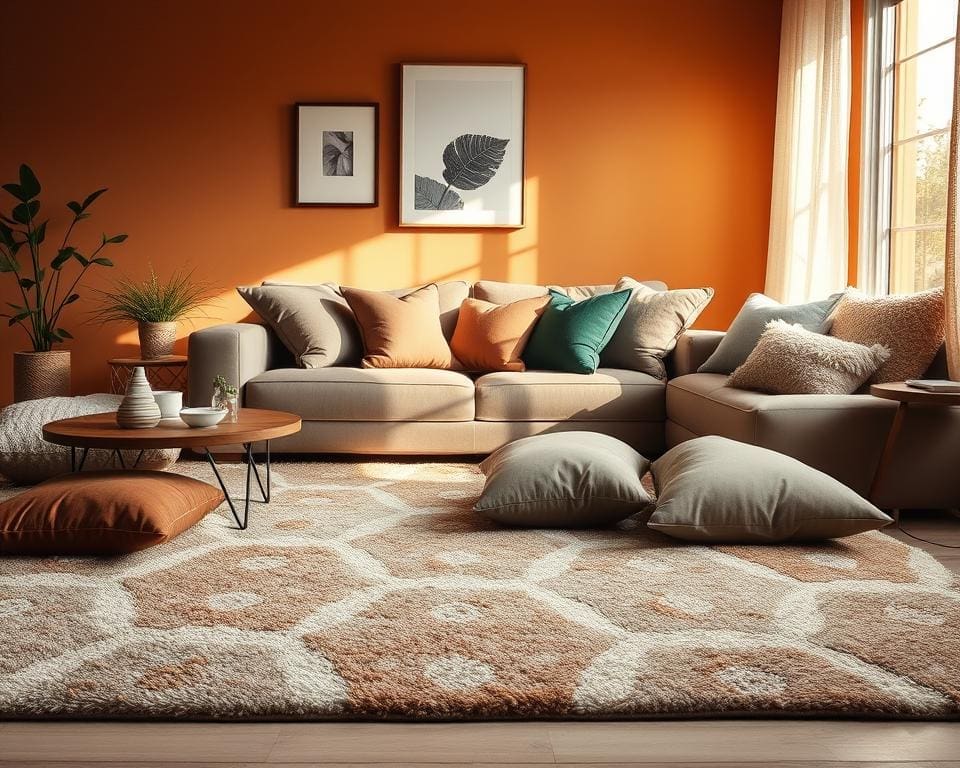
- For a three-seater sofa, use an odd number of cushions—three to five. Place larger cushions at the back and smaller decorative ones in front for depth.
- On armchairs, a single large cushion gives support. Add a small lumbar cushion for extra comfort if you use the chair for reading.
- Mix shapes and heights: combine square, rectangular and round cushions to create visual interest. On beds, position European cushions behind standard pillows to build height.
- Match cushion colours to tones in your rug or artwork to tie the room together. Vary textures—knitted, velvet, linen—for tactile richness.
- Put function first: choose firmer cushions for back support and softer ones for lounging. Keep a small basket nearby to store spare cushions for guests.
Creating focal points with statement rugs or cushions
- Choose a bold patterned or richly coloured rug to anchor an otherwise neutral room. Place it under the main seating group or beneath a coffee table to draw the eye.
- Use one or two striking cushions with vibrant colour or dramatic pattern to act as accents on a sofa or bed. Swap them seasonally to refresh the scheme.
- When you add a statement piece, simplify surrounding elements. Neutral walls and restrained accessories let the rug or cushions remain the centrepiece.
- Look to UK publications such as Elle Decoration UK and House & Garden for examples where a Persian runner or a vivid velvet cushion transforms living spaces without clutter.
Apply these layering rugs and cushion styling tips to refine your sofa cushions arrangement and achieve clear focal point ideas that work for daily life.
Seasonal swaps and maintenance to keep your home inviting
For spring and summer, swap heavy wools and velvet for linen and cotton covers, flatweave rugs and brighter colours. Use seasonal cushion swaps to add breezy patterns without a full refit. Keep a neutral base—sofas and large rugs can stay constant while you change top-layer cushion covers and small accent rugs to refresh the room quickly.
In autumn and winter, introduce thicker wool or faux-shearling rugs, chunky knitted cushions and warm hues to increase thermal comfort. Layering works well in transition months: keep the base neutral and use throws or a top-layer rug to alter texture and warmth. These small changes are cost-effective and suit seasonal decor UK trends.
Routine care prolongs your pieces. For rug maintenance, vacuum regularly on the correct setting, rotate rugs every few months, and shake small rugs outdoors. For cleaning rugs and cushions, blot spills immediately, remove cushion covers and follow labels, and use gentle detergent and air-dry where advised. Consider professional cleaning for large wool rugs every two to four years and upholstery services for delicate fabrics.
Store off-season items in breathable cotton bags and vacuum-pack rugs you won’t use, keeping them in cool, dry, moth-free storage. Cedar blocks or lavender sachets make natural deterrents. Replace cushion inserts when they lose plumpness and repair fringe or small wear early. For budget-friendly updates, try cushion covers, small accent rugs or second‑hand finds from charity shops and online marketplaces, and prioritise a well-made investment rug for main living areas for long-term value and sustainability.