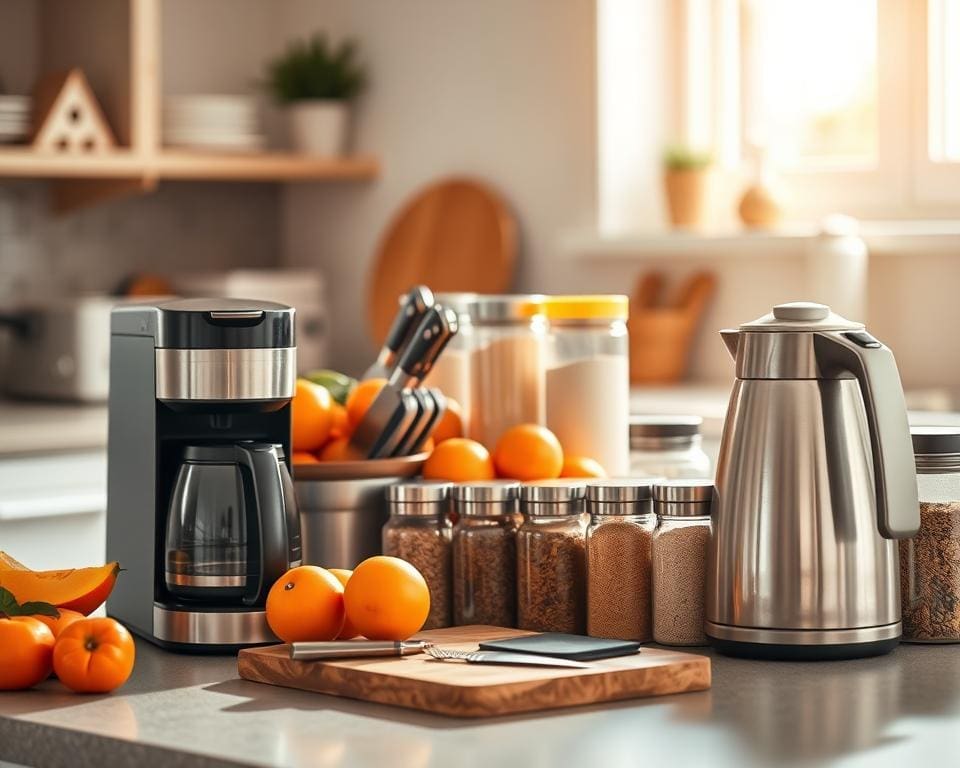
You notice useful daily products the moment they remove a small, persistent friction from your day. A Russell Hobbs kettle that boils quickly, a Kenwood hand mixer that speeds up baking, or an Amazon Echo that sets reminders all cut minutes from routine tasks. These life-enhancing gadgets bring everyday convenience into your home in ways you can measure.
Useful products are items built to simplify routines, save time and improve comfort, health or productivity. In the UK a compact Dualit toaster or a Nest thermostat can make a real difference in tight kitchens and older homes. They reduce cognitive load so you waste less effort on small decisions and more on things that matter.
You can expect practical benefits: shaving minutes off your morning with a Braun electric shaver, lowering energy bills with a Hive smart thermostat, or cutting clutter with Ikea organisers. Measurable outcomes include faster meal prep, reduced energy consumption and calmer mornings—clear examples of everyday convenience and daily essentials UK.
This article then looks at four areas. First, how useful daily products streamline your morning routine. Next, the product features that boost productivity. Then, how items support health, comfort and wellbeing. Finally, guidance on choosing and maintaining products so they deliver long-term value.
How useful daily products streamline your morning routine
Small changes in the items you use each morning can cut stress and save time. Adopt a few morning routine hacks and you will notice quicker departures, clearer heads and less last-minute panic. The right mix of kitchen time-savers, neat storage and connected tech keeps things moving smoothly from kettle to coat.
Essential kitchen gadgets that save time
Choose rapid-boil kettles from Russell Hobbs or Breville to reduce wait time for tea and porridge. Temperature-control electric kettles make different teas taste better and cut reheating. Coffee makers such as Nespresso and Sage deliver consistent drinks fast, while pod machines remove the guesswork.
Toaster ovens and air fryers by Ninja or Philips speed up breakfast cooking and skip long oven preheats. Multifunction appliances like microwave-convection ovens and electric pressure cookers consolidate tasks, reduce clutter and accelerate meal prep. When shopping in the UK, check size, energy consumption and limescale filters that suit hard-water areas and UK plugs.
Organisational tools for a calmer start
Labelled storage boxes, key trays and entryway organisers from Joseph Joseph or Ikea make essentials easy to find. Shoe racks and hanging wardrobe pockets speed outfit choices so you dress with less thought and stress.
Paper planners from Moleskine, magnetic whiteboards and wall calendars help with family schedules and morning organisation. Pair an app with a physical planner to keep routines visible. Create a launch zone near the front door with an Anker multi-port charger, coat hooks and a letter tray so you leave home with everything in one place.
Tech devices that automate repetitive tasks
Smart plugs, programmable kettles and Wi‑Fi coffee makers let you start appliances from your phone or on a schedule. Amazon Echo, Google Nest and Apple HomeKit devices give voice control and app access for hands-free morning actions.
Robot vacuum cleaners such as iRobot Roomba and Eufy maintain floors with minimal input. Smart lighting systems like Philips Hue simulate wake-up routines so you do not fumble for switches. These smart morning devices and automated tools can reclaim 5–15 minutes a day, lowering manual repetition and helping you leave the house more organised.
Practical features of useful products that improve your productivity
You want tools that save time and reduce friction. Thoughtful design, reliable connectivity and lower running costs help you get more done with less stress. Below are key practical features to look for when you buy everyday items for your home or workspace.
Design elements that enhance usability
Choose items with intuitive controls and clear labelling so you spend less time learning how they work. Ergonomic design such as soft-touch non-slip handles on Joseph Joseph utensils, laptops with comfortable key travel like Apple MacBook and Microsoft Surface devices, or office chairs with proper lumbar support reduce strain and keep you focused.
Compact footprints suit small UK homes and flats. Easy-to-clean materials and modular parts that are dishwasher-safe cut maintenance time. Accessibility features matter too: tactile buttons, high-contrast displays and concise instructions help every member of the household use products without frustration.
Connectivity and smart integration
When devices talk to each other you reclaim small tasks. Smart integration lets your phone, watch and speakers share calendars, reminders and routines so your day runs with fewer interruptions. For example, Google Calendar with a Nest Hub shows your agenda and Alexa routines can start appliances or set lights for the right mood.
Pick devices that support major platforms such as Amazon Alexa, Google Assistant or Apple HomeKit to avoid system fragmentation. Know the difference between Wi‑Fi, Bluetooth and Zigbee or Z‑Wave so your setup stays reliable. Keep firmware up to date and secure your home Wi‑Fi with unique passwords; brands like Google and Amazon provide regular updates to reduce risk.
Energy efficiency and sustainability benefits
Energy-efficient appliances cut bills and carbon emissions. Look for A-rated washing machines and fridge-freezers and consider energy-saving kettles and eco modes to lower running costs. Using full loads, choosing lower thermostat setpoints and running devices in off-peak hours will further reduce energy use.
Sustainable everyday products favour long-lasting construction and repairable designs. Brands such as Miele and Bosch offer spare parts and take-back programmes that extend product life and cut waste. Choosing items with recycled materials and minimal packaging supports lower environmental impact and may link to local council recycling schemes or UK energy-saving incentives.
How useful products support your health, comfort and wellbeing
Choosing the right items can change how your home feels and how you function each day. Wellbeing products and sensible purchases reduce friction, help you rest better and make daily tasks less stressful. The right mix improves comfort at home and supports a healthier routine.
Home products that improve physical comfort
Update your bed with pressure‑relief mattresses or toppers from Tempur or Simba to ease aches and enhance sleep quality. An ergonomic pillow and an adjustable bed base let you find support that suits your body and sleeping style.
Climate control devices make rooms more pleasant without wasting energy. Smart thermostats such as Hive or Nest keep temperatures steady while cutting bills. Use humidifiers or dehumidifiers to maintain healthy air, and air purifiers from Dyson or Philips to reduce pollen and particles.
Tunable LED bulbs and wake‑up lights from Philips Hue or Lumie help regulate your sleep‑wake cycle. Better lighting improves alertness in the morning and wind‑down in the evening, boosting overall comfort at home.
Tools for mental wellbeing and stress reduction
Pick products that simplify choices to lower decision fatigue. Minimal, intuitive devices and organised storage cut daily friction so you can focus on what matters.
Relaxation aids such as white‑noise machines, weighted blankets in Silentnight or Gravity styles, and guided meditation apps like Headspace and Calm help you switch off. Hobby kits that encourage hands‑on activity create useful breaks for the mind.
Create calming corners with soft lighting, a few plants and clear storage. Noise‑cancelling headphones from Bose or Sony protect concentration and reduce stress when you need focus or quiet.
Hygiene and safety products that provide peace of mind
Home hygiene products such as touchless soap dispensers, electric toothbrushes like Philips Sonicare, and steam cleaners make cleaning faster and more effective. They help keep surfaces hygienic without harsh effort.
Choose safety devices UK households trust, including smoke and carbon monoxide alarms from Kidde or FireAngel, and smart doorbells or cameras from Ring or Arlo for remote monitoring. Keep a well‑stocked first‑aid kit in an easy‑to‑reach place.
Maintain devices to preserve performance and meet legal or insurance requirements. Test alarms regularly, replace batteries as advised and follow manufacturer cleaning instructions to ensure long‑term protection and reliable peace of mind.
Choosing and maintaining useful products to get the most value
When choosing useful products, start by matching the item to a real need. Compare quality versus price, check brand reputation and warranty details, and review energy ratings and repairability. Use independent UK sources such as Which? and Good Housekeeping, read customer reviews on John Lewis or Currys, and consult manufacturer support pages for clear warranty terms. This buying guide UK approach helps you assess value for money and the likely longevity of appliances before you spend.
Adopt buying strategies that suit your home and budget. Prioritise multifunctional items for smaller flats, consider refurbished or B‑rated appliances from reputable sellers to save money and reduce waste, and watch seasonal sales like Black Friday or Boxing Day for discounts. Remember to verify plug compatibility, product dimensions for UK rooms and returns and delivery policies so the item fits your daily life without surprise costs.
Product maintenance tips are simple but effective. Follow manufacturer care instructions, descale kettles and coffee machines regularly, clean filters in vacuums and air purifiers, and keep smart devices updated with the latest firmware. Small habits — avoid overloading appliances, use recommended detergents and store items correctly — will extend life and preserve performance, improving long‑term value for money.
If a fault appears, try basic troubleshooting before seeking help, then favour repair-first solutions. Use authorised service centres or manufacturer repair services from brands like Miele or Bosch when necessary. When retiring an item, recycle responsibly through local council schemes or retailer take-back services such as Currys recycling. Track total cost of ownership—purchase price, running costs and maintenance—to see how a more efficient model can lower bills and boost the longevity of appliances. Register warranties, keep receipts and set maintenance reminders to protect resale value and ensure lasting returns on your purchase.