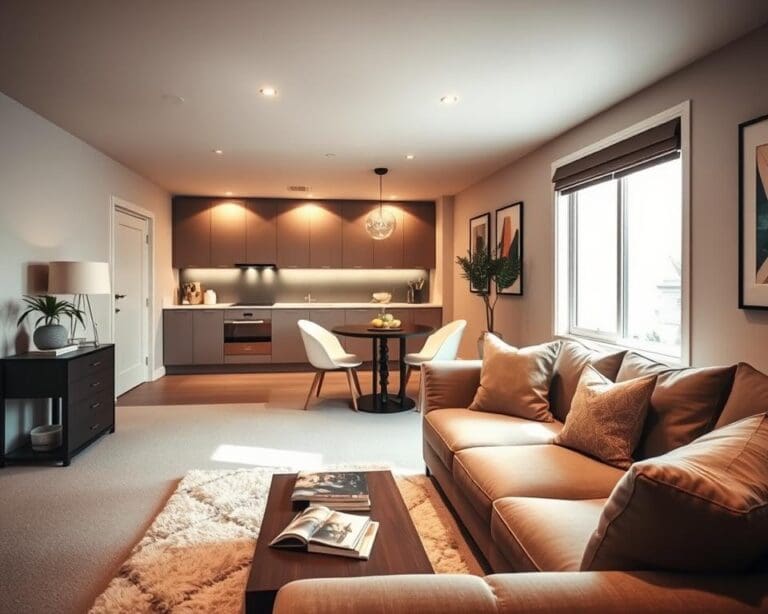
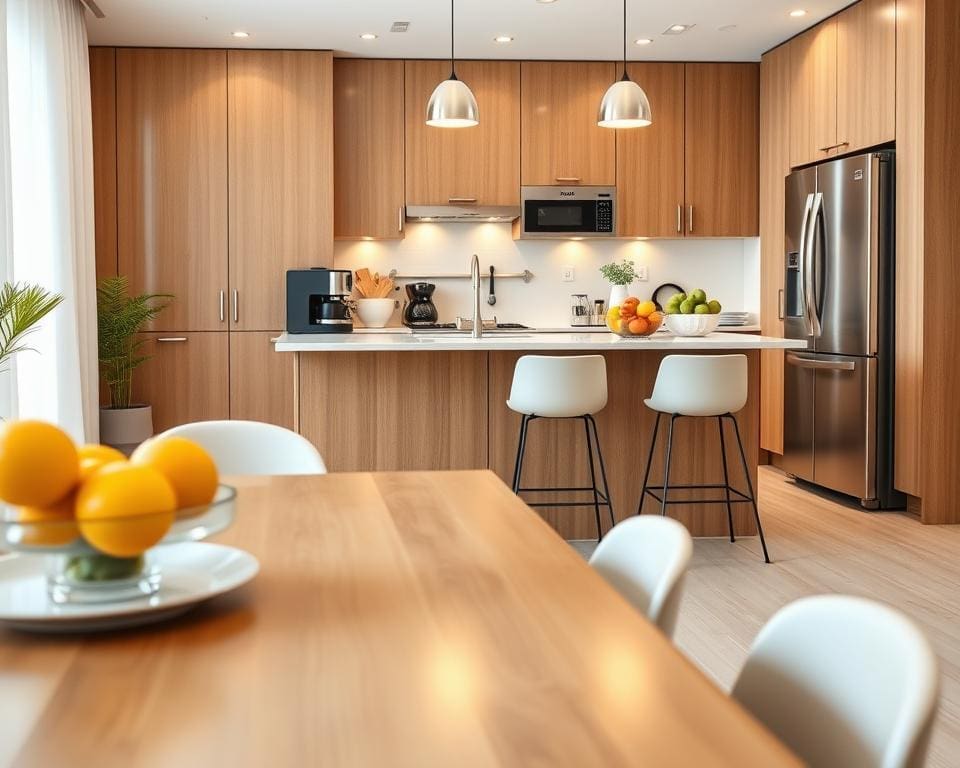
Your kitchen is the hub of home life, and small changes to kitchen furniture appliances can make a big difference to your routines. The right choices help you save time, cut stress and keep order in busy British homes and flats.
Trends in the UK point to multi‑functional kitchens, compact living and smarter devices that enhance kitchen functionality. Investing in efficient ovens, dishwashers and cooktops from makers such as Bosch, Miele or Neff, or choosing practical storage solutions from Howdens or Wren Kitchens, can reduce clutter and speed up everyday cooking.
Expect practical outcomes like faster meal preparation, lower energy bills when you follow Energy Saving Trust guidance, and longer‑lasting furniture that boosts resale appeal. This section sets the scene so you can see how kitchen upgrades and everyday cooking aids will improve daily life before we cover layout, materials, essential appliances, ergonomics, safety and budgeting in the sections that follow.
Why choosing the right kitchen furniture transforms everyday cooking
Choosing the right furniture changes how you use the kitchen each day. Thoughtful choices improve efficiency, reduce tiredness and keep the space tidy. You will spend less time searching for tools and more time enjoying meals with family.
How layout and storage affect your workflow
Good kitchen layout relies on the work triangle: sink, hob and fridge set at sensible distances to cut unnecessary steps. For UK homes where space is often tight, galley, L-shaped, island and single-wall designs each bring benefits. A galley can be highly efficient in small flats. An L-shaped plan opens space for a dining nook. An island adds prep area and social space. A single-wall suits compact apartments but needs careful planning to avoid clutter.
Use kitchen storage solutions to make the most of every centimetre. Pull-out larders, deep drawers and corner carousel units such as Le Mans carousels use awkward corners well. Tall units let you store items vertically and keep surfaces clear. Fit soft-close drawers, full-extension runners and organisation inserts like cutlery trays and spice racks to speed up routine tasks.
Plan for practical clearances. Aim for at least 600mm of clear prep space beside the hob and sink where possible. Allow 900–1200mm for circulation routes and check appliance door clearances so cooking flows without obstruction. These measures support a smooth kitchen workflow and reduce accidental knocks or spills.
Materials, durability and maintenance considerations
Select durable kitchen materials that suit your lifestyle. For worktops, laminate is affordable and easy to maintain. Solid wood brings warmth but needs periodic oiling. Quartz and engineered stone are tough and low maintenance though pricier. Granite stands up to heavy use but benefits from sealing. Stainless steel gives a professional, hygienic surface for heavy cooks.
Cabinets vary by core and finish. MDF with laminate or lacquer offers cost-effective options. Solid wood or veneered plywood delivers longevity and a premium feel. Think about surface hardness and moisture resistance when choosing finishes. Wipe spills promptly and use mild detergents to keep surfaces in good condition and to simplify maintenance kitchen furniture tasks.
Choose appliance finishes to hide wear. Stainless steel or enamel resist staining. Check energy ratings endorsed by the Energy Saving Trust and factor typical lifespans into decisions: dishwashers often last around ten years while fridge-freezers and ovens commonly reach ten to fifteen years. Opt for sensible warranties and service plans to protect your investment.
Matching style with practical needs in British homes
Match visual trends to daily demands. Shaker doors hide scuffs and wear well. Slab and handleless fronts offer a modern look but may show fingerprints on darker finishes. For period or listed properties keep materials and colours that respect character while adding modern convenience, such as integrated appliances behind cabinetry or bespoke shelving that mirrors original details.
Consider family life and accessibility when selecting surfaces. Robust worktops suit homes with young children or pets. Choose easy-clean splashbacks in glass or porcelain tiles behind the hob and sink to reduce staining and simplify upkeep. Look to reputable UK suppliers like Howdens, Wren Kitchens, B&Q, Smallbone, John Lewis & Partners and Neptune for a range of options that meet British kitchen design expectations and British Standard appliance safety such as BS EN 60335.
kitchen furniture appliances that boost efficiency and convenience
Choose equipment and furniture that cut time and make daily cooking less stressful. Think about how essential kitchen appliances, smart kitchen appliances and integrated appliances work together with storage and worktops. Small changes to layout and the devices you pick can have a big impact on speed and ease.
Essential appliances for time-saving meal prep
- Microwave ovens for quick reheating and rapid cooking.
- Combination steam ovens or combi‑microwaves that steam, bake and roast in one cavity.
- Multifunction ovens with pyrolytic cleaning to cut maintenance time.
- Induction hobs for fast heat and effortless cleaning.
- Dishwashers with quick cycles to save hours each week.
- Small appliances such as air fryers, food processors, slow cookers, stand mixers from KitchenAid or Kenwood, and multi‑cookers like Instant Pot.
Look for energy‑efficient models with strong ratings and read Which? tests and user reviews before you buy. Energy efficiency reduces bills and keeps performance consistent over time.
Integrated and smart appliances: what to look for
- Integrated appliances that sit flush with cabinetry keep a neat, cohesive look. Decide between undercounter units and tall column layouts.
- Smart kitchen appliances with Wi‑Fi let you preheat, monitor and run diagnostics remotely. Features to favour include guided cooking modes, automatic wash programmes and fridge humidity control.
- Pick brands with good firmware support and nationwide servicing like Bosch, Siemens, AEG or Miele to avoid compatibility issues later.
- Check UK energy labelling and consider fridges with inverter compressors for quiet, efficient running.
Space-saving furniture and multi-functional units
- Pull‑out breakfast bars and fold‑away tables free floor space when not in use.
- Sink covers that double as chopping boards and stools that tuck under islands maximise surface and storage.
- Integrated bin and recycling pull‑outs and appliance garages keep counters clear.
- For smaller UK kitchens, consider washer‑dryer combos, slimline 450mm dishwashers and slim fridges.
- Bespoke cabinetry and modular systems from Howdens, Wren Kitchens or IKEA let you tailor storage to your routine and add multifunctional kitchen units where you need them most.
Creating a comfortable and safe kitchen environment
Design a kitchen that puts comfort and safety first. Small choices in layout, lighting and ventilation change how you use the space each day. Think about the people who cook most often and plan around their needs.
Ergonomic worktops and optimal heights
Standard worktop heights UK typically sit between 890–920mm from floor to worktop. Measure you and the primary cooks to decide if a bespoke height suits better. Taller cooks may prefer worktops closer to 920mm, while shorter users often find 890mm more comfortable.
Keep the sink to hob distance comfortable for preparation. Aim for a prep zone width of about 600–900mm to give you room to chop and move without excessive reaching. Pull‑out work surfaces and adjustable‑height islands suit multi‑user households and seasonal needs.
Anti‑fatigue mats reduce strain during long tasks. If you stand for long periods, choose mats with good cushioning and slip resistance. Consider adjustable islands for shared homes where different users need different worktop heights.
Lighting, ventilation and noise considerations
Layer your lighting for flexibility. Use task lighting like under‑cabinet LED strips for chopping and prep. Add ambient ceiling lights for general use and accent lights to highlight display areas. For sociable kitchens choose warm neutral colour temperatures around 2700–3000K, while task‑heavy zones benefit from 3000–4000K.
Ensure kitchen lighting near water is IP‑rated to meet safety needs. Place brighter task fittings directly over sinks and work zones. Use dimmers where you want softer evening light.
Good kitchen ventilation keeps air fresh and removes cooking fumes. Choose cooker hoods with extraction rates matched to your kitchen size, measured in m3/h. If ducting is impossible in flats, opt for recirculating hoods with carbon filters, but know that ducted extractors remove moisture and smell more effectively. Follow Building Regulations Approved Document F when planning ventilation.
Reduce noise by choosing appliances with low decibel ratings and inverter motors. Look for dishwashers and fridges under 45dB. Insulating cabinet carcasses and using soft‑close fittings help cut down on intrusive sounds and support kitchen noise reduction overall.
Safety-focused appliances and furniture features
Prioritise appliances with built‑in safety. For gas cookers check for flame failure devices. For ovens and dishwashers look for child locks, automatic shut‑off and thermostatic controls. Induction hobs lower burn risks because the glass surface stays cooler than traditional ceramic or gas.
Choose furniture that protects household members. Soft‑close drawers prevent finger injuries. Rounded worktop edges reduce knocks for young children. Securely fix wall‑mounted units to studs or use proper anchors to avoid tipping. Anti‑slip drawer liners keep crockery and utensils stable.
Fit a heat alarm or smoke detector near the kitchen perimeter, not directly above the hob. Keep a fire blanket and a Class F extinguisher accessible for cooking fires. Always follow manufacturer installation guidance and hire a Gas Safe engineer for gas appliances and an NICEIC‑qualified electrician for electrical work to ensure your kitchen safety features meet standards.
Investing wisely: budget, value and long-term benefits
When you plan a kitchen investment, start with clear kitchen budget planning. Split needs into tiers: essentials like a reliable oven, hob, fridge and sink; high‑impact upgrades such as a dishwasher, better worktops and improved storage; and luxury items like smart ovens or bespoke cabinetry. As a rough guide, consider allocating 30–40% to appliances, 20–30% to cabinetry, 10–20% to worktops, and the remainder for installation, lighting and finishing.
Get multiple quotes from reputable kitchen fitters and check reviews from retailers such as Wren, Howdens and John Lewis & Partners to find realistic prices. Use online cost calculators to compare options and remember to weigh cost vs value kitchen choices: paying more up front for energy‑efficient appliances can lower bills and extend appliance lifespan, while durable materials reduce replacement frequency.
Think about long‑term benefits. Energy‑rated appliances and low‑water dishwashers cut running costs, and good warranties with accessible UK service networks—brands like Miele, Bosch and Neff—help protect your purchase. Routine maintenance matters: service gas appliances annually, clean filters and seals, descale kettles and coffee machines, and follow care instructions for worktops and cabinetry to preserve function and kitchen resale value.
Finally, plan for lifecycle and resale. Keep manuals and service records, choose neutral finishes to appeal to buyers and test ergonomics in showrooms before you buy. If budgets are tight, phase upgrades so you prioritise daily convenience and safety first. Thoughtful choices in furniture and appliances deliver everyday ease and strong long‑term returns on your kitchen investment.