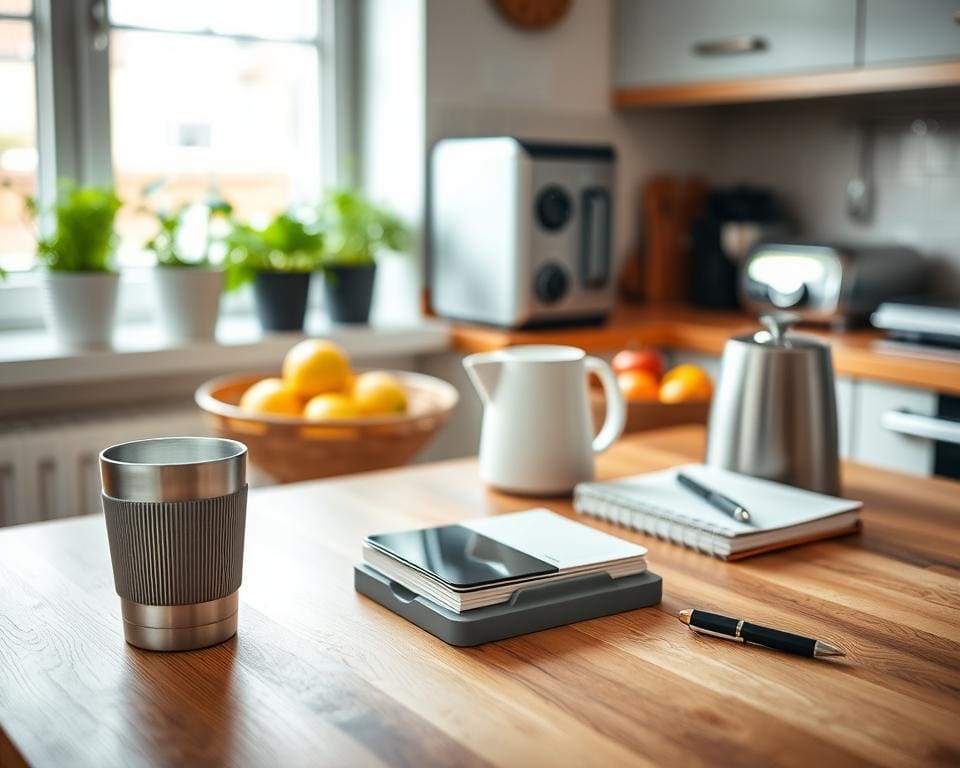
You want straightforward, low-cost ways to improve daily life improvement without overhauling everything at once. This section outlines practical, evidence-informed lifestyle essentials UK that help you simplify everyday routine, boost productivity and support wellbeing habits.
Small habitual changes make a big difference. NHS England guidance highlights the value of regular sleep, physical activity and balanced nutrition for energy and mental health. Adopting a few targeted tweaks can cut stress, reduce decision fatigue and raise your day-to-day efficiency.
The article roadmap is clear: we cover practical morning rituals, better organisation and time management, home habits that save time, and mindset strategies for lasting calm. Each part gives concrete productivity tips, recommended routines and UK-relevant tools so you can apply ideas straightaway.
This guide is written for busy adults across the UK who want to simplify everyday routine. Follow the suggestions and you should see steadier energy, fewer decision bottlenecks, tidier living spaces and a calmer mind within a few weeks.
Start gradually: pick one or two changes and use habit stacking and implementation intentions to make them stick. The approach draws on NHS Change4Life advice and behaviour-change frameworks such as the research popularised by James Clear to keep progress realistic and sustainable.
Practical morning rituals to boost productivity and wellbeing
Small rituals in the morning set the tone for the day. You can improve sleep, sharpen focus and lift mood with repeatable steps that fit UK life. These ideas work whether you commute, work from home or juggle childcare.
Benefits of a consistent wake-up time
Keeping a consistent wake-up time helps your circadian rhythm. NHS guidance recommends regular sleep schedules to improve sleep quality and daytime alertness.
Sticking to a steady wake window reduces grogginess and makes planning easier. You spend less time deciding what to do first, which can boost productivity and stabilise mood.
Practical tips include waking within a 30-minute window and using a calming bedtime routine. Dim screens 30–60 minutes before bed and turn on Night Shift or blue-light filters to help your body prepare for sleep.
Try smart lighting and alarms sold in the UK, such as Philips Hue schedules or sleep-tracking features on Apple Watch and Fitbit, to monitor and nudge consistency.
Simple stretches and short workouts you can do at home
Five to twenty minutes of movement raises blood flow and improves mood. Brief sessions fit into tight mornings and still deliver benefits for energy and metabolism.
- 5-minute mobility flow: neck rolls, shoulder openers, cat–cow, hip circles.
- 10–15 minute bodyweight circuit: squats, lunges, push-ups or incline press on a kitchen counter, planks.
- 7-minute high-intensity intervals for higher fitness levels.
Modify moves for limited mobility and check NHS Choices or speak to your GP if you have health concerns. Free UK resources such as the NHS Fitness Studio on YouTube offer guided sessions you can follow.
Minimal kit works well: a yoga mat, a resistance band and adjustable dumbbells from Argos or Decathlon will extend options without taking space.
Quick breakfast ideas that fuel your day
Choose protein and wholegrain carbohydrates to sustain energy and concentration. Add fibre and healthy fats for satiety so you stay focused through the morning.
- Greek yoghurt with oats and berries.
- Porridge with oats and a spoonful of nut butter.
- Wholegrain toast with scrambled eggs and spinach.
- Overnight oats or chia pudding prepared the night before.
- Smoothie: milk or a dairy alternative like Alpro, banana, spinach, protein powder and seeds.
Time-saving moves include batch-preparing overnight oats, pre-portioning toppings and using an instant pot for porridge. Supermarket wholegrain porridge sachets and plant milks are handy UK options.
Swap ingredients for allergies or diets: try vegan protein powders or gluten-free oats. Follow NHS advice on balanced meals to support long-term wellbeing tips.
Daily life improvement through organisation and time management
Small changes to how you plan and store things can free hours each week. Use practical organisation tips that link directly to better time management. Aim for steps you can try tonight and adjust across the month.
How to create a realistic daily schedule
Start each evening by listing your top three priorities for tomorrow. Use the Eisenhower matrix to sort urgent and important tasks, then time-block your day into deep work, admin and breaks. Build realistic time estimates and add buffer slots for delays.
Example split: 09:00–11:00 deep work, 11:15–12:00 meetings or admin, 12:00–13:00 lunch and movement, 13:00–15:00 project work, 15:30–16:00 emails and closing tasks. Tailor the times for UK commute patterns and family needs.
Batch similar jobs and use templatized responses for common emails. A consistent end-of-day routine to review progress helps you refine how you create daily schedule entries over time.
Decluttering routines that save time each week
A tidy home reduces time spent searching and lowers mental load. A 10–20 minute evening tidy keeps surfaces clear. Add a 30–60 minute weekly zone clean for the kitchen, entryway or desk.
Use labelled storage and shoebox-style organisers from Ikea or The Range to speed retrieval. Keep a dedicated mail tray and a fixed spot for keys and daily items to cut friction each morning.
Plan a monthly wardrobe cull with the seasons. For unwanted items, consider local charity donations such as British Heart Foundation or Oxfam, or rehoming via Freegle and Shpock. Follow your council recycling rules for disposals.
Tools and apps to manage tasks and minimise decision fatigue
Choose simple productivity apps UK users favour, such as Todoist or Microsoft To Do for lists, and Google Calendar or Outlook for scheduling. Notion and Evernote work well for notes and repeatable templates.
Automate repetitive digital tasks using Zapier or IFTTT and set calendar rules and email filters to triage messages. Create recurring tasks for routine chores to reduce daily choices and minimise decision fatigue.
Adopt decision-minimising habits like weekly meal plans and a capsule wardrobe of repeat outfits. Use two-factor authentication and sensible privacy settings when you link cloud tools to protect your data in the UK context.
Essential home habits that make everyday living easier
Adopting a few practical home habits reduces friction and saves time. Small routines create calm, help your household run smoothly and support daily life improvement. Use simple steps that fit your space and schedule.
Meal prep and batch cooking strategies for busy weeks
Batch cooking strategies cut decision fatigue and keep you eating well on hectic days. Plan 2–3 base proteins and 3–4 vegetable sides to mix across meals. Choose UK-friendly recipes such as lentil dhal, tray-baked salmon with roasted veg or a shepherd’s pie made with lean meat or plant-based mince.
Cook large batches of stews, casseroles, soups and grain salads at the weekend. Portion into reusable containers for the fridge or freezer, label with dates and follow NHS guidance: refrigerated cooked food up to two days, frozen food for months depending on the dish. Reheat to piping hot where needed.
Time-saving hacks include using ready-prepped veg from Tesco or Sainsbury’s and pre-cooked grains. Batch-cook breakfasts like egg muffins or porridge pots. Equip your kitchen with tools such as a Crock-Pot or Instant Pot and oven trays from Argos, Lakeland or John Lewis to speed prep.
Cleaning habits that prevent overwhelm
Short, regular tasks stop mess from building up. Try daily 10–15 minute tidy sessions: wipe kitchen surfaces after use, load the dishwasher each night and give a quick bathroom wipe-down. These cleaning routines keep weekends free and reduce stress.
Spread tasks across the week. For example: Monday laundry, Tuesday bathrooms, Wednesday hoovering and dusting. Use reliable products such as Dettol or Cif for surfaces and Ecover for an eco option. A good microfibre cloth, a lightweight hoover and a robot vacuum from Eufy or iRobot make maintenance easier.
If your schedule is full or mobility is limited, book one-off or regular help from local providers or national platforms such as Fantastic Services to maintain rhythm and relieve pressure.
Creating dedicated zones for work, relaxation and chores
Clear home zones reduce cognitive switching and protect boundaries between tasks. Designate a well-lit corner for focused work with an ergonomic chair, laptop stand and noise-reduction headphones. Keep work kit out of the relaxation area to support rest.
Set up a utility zone for chores with labelled storage for cleaning supplies and laundry baskets. Use ergonomic furniture from Ikea, Argos or John Lewis and consider a sit–stand desk for long hours. For small UK homes, foldaway desks, shelving from Ikea and multi-purpose furniture help you squeeze more function into less space.
Visual cues such as baskets and labels make responsibilities obvious to everyone in the household. That clarity preserves order and keeps everyday living easier while contributing to ongoing daily life improvement.
Mindset and wellbeing essentials for sustained simplicity
To make practical routines stick, you need mindset essentials that favour steady progress over perfection. Start small and build on tiny wins: a two-minute breathing practice, a short walk, or a single evening prep task. These wellbeing habits are rooted in behavioural science — track what you do, celebrate small gains and tweak your approach as you learn. This steady approach supports sustained simplicity and reduces the pressure that often causes good intentions to fade.
Manage stress with simple daily practices that fit your life. Try box breathing or a five-minute guided meditation via Headspace, Calm or the NHS apps, and weave regular movement breaks into your day. These actions help with stress reduction and bolster mental wellbeing UK standards. Schedule downtime deliberately using calendar blocks and clear availability notes so your rest is protected and your energy renewed.
Setting boundaries is vital to preserve time for priorities. Use firm yet polite phrases to decline or defer requests, and create visible cues such as a blocked calendar or a “focus” status. Keep social and restorative habits too: regular catch-ups, volunteering with local community centres or Citizens Advice, and outdoor pastimes like walking or gardening all support life satisfaction and lower stress. The NHS emphasises the benefits of activity and time outdoors for mood and resilience.
Measure what matters and adapt your plan every few weeks. Track simple metrics — hours of sleep, days you complete a morning routine, or minutes saved on chores — then adjust routines to match changing demands. Use habit stacking, environmental prompts and an accountability partner to lock in gains. Choose one change from this article to try this week, record the result and reflect on the difference; that small experiment can start a lasting cycle of daily life improvement.