
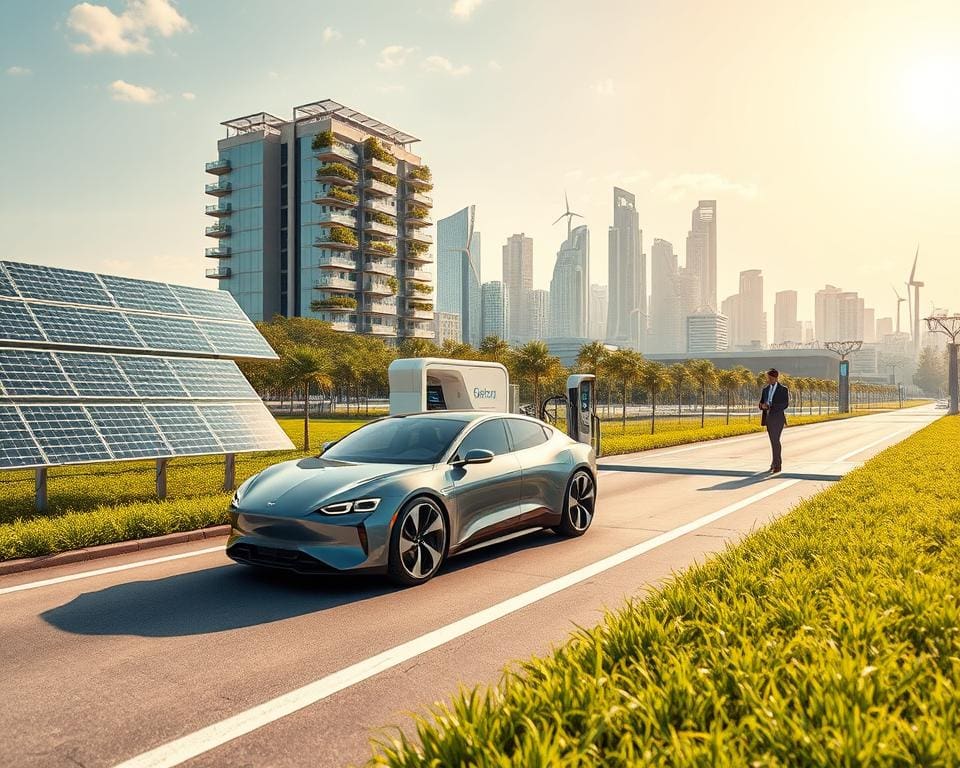
You are reading a concise introduction to how hydrogen technology will shape transport and the wider energy system across the United Kingdom. This section outlines what the article will cover and why hydrogen matters to your decisions as a fleet operator, energy manager, policymaker, investor or consumer.
The future of hydrogen links directly to the UK Government’s Net Zero 2050 target and interim carbon budgets. Hydrogen in UK energy policy sits alongside electrification and energy efficiency as a route to cut emissions. Green hydrogen from electrolysis and blue hydrogen from steam methane reforming with carbon capture are the options being promoted, while grey hydrogen remains the current industrial norm but is not compatible with decarbonisation aims unless abated.
This piece will explain the technical approaches, highlight current projects and pilot schemes, and compare hydrogen transport solutions with battery electrics. You will get practical insight on infrastructure needs, likely costs, and the specific use cases — such as heavy goods vehicles, maritime and aviation — where hydrogen offers a clear advantage.
Read on to understand the hydrogen economy UK, the policy mechanisms under development, and how to assess whether hydrogen is the right choice for your operations or investments.
hydrogen technology: role and potential in the UK energy transition
You will find hydrogen an energy carrier that stores and delivers power made elsewhere. Understanding how hydrogen works helps you see its fit in heat, industry and transport. Hydrogen production can come from electrolysis or from reforming natural gas, with each route shaping costs and emissions.
What hydrogen technology is and how it works
You should know electrolysers split water into hydrogen and oxygen using electricity. Alkaline, PEM and solid oxide designs offer different trade-offs in cost, flexibility and efficiency. When electrolysers run on renewable power your output is classed as low-carbon or green hydrogen UK projects aim to increase this supply.
Fuel cells convert hydrogen back into electricity with water and heat as direct outputs. Fuel cells power vehicles, provide backup for sites and support distributed generation. For transport you will see stored hydrogen delivered in tanks to fuel cell electric vehicles and refuelling depots.
Types of hydrogen (green, blue, grey) and their relevance to UK policy
Grey hydrogen is produced from natural gas without carbon capture and remains the cheapest option today. You will find it widely used in refining and chemicals, but it conflicts with Net Zero goals.
Blue hydrogen uses steam methane reforming with carbon capture, utilisation and storage. The UK supports blue hydrogen where CCS infrastructure is viable, notably in cluster plans. The lifecycle impact of blue hydrogen depends on methane leakage and capture rates so robust measurement is essential.
Green hydrogen comes from electrolysis powered by renewables. Green hydrogen projects grow as offshore wind expands and electrolyser costs fall. Hydrogen policy UK documents set targets and funding measures to scale green and other low-carbon hydrogen supplies.
Current projects and pilot schemes across the UK
You can point to flagship H2 clusters UK including HyNet in the North West and the East Coast Cluster around Teesside and Humber. These combine hydrogen production with CCUS to decarbonise heavy industry, power and transport.
UK hydrogen projects range from electrolyser deployments near ports to hydrogen pilots UK for buses, trains and heavy goods vehicles. Stagecoach has trialled hydrogen buses with Wrightbus; HydroFLEX and Alstom tests have demonstrated hydrogen traction for regional rail.
Commercial partners such as ITM Power, Nel Hydrogen and Siemens Energy supply electrolysers for many schemes. Energy companies like Shell and BP back refuelling networks while vehicle makers Toyota and Hyundai push fuel cell vehicle development. You will also see power-to-gas and seasonal storage trials in Scotland and island grids exploring hydrogen storage for resilience.
Decarbonising transport with hydrogen: vehicles, infrastructure and costs
You face choices when comparing fuel cell vehicles vs EVs for your fleet or personal use. Battery electric vehicles comparison shows strong efficiency and simple home charging for urban driving. FCEV advantages lie in quick refuelling and longer range, which suits high utilisation routes and operators who cannot afford long charging downtime.
Look at availability before you commit. Manufacturers such as Toyota, Hyundai and Honda offer passenger hydrogen cars UK models, while Nikola and Hyundai are developing heavy trucks. Assess TCO hydrogen vehicles against BEVs by modelling energy use, maintenance and residual values for your typical duty cycle.
Refuelling infrastructure matters for operational planning. Hydrogen refuelling stations UK remain limited to pilot clusters, so HRS siting, safety compliance and depot handling are practical hurdles. Early stations receive hydrogen via tube trailers or local electrolysis, pointing to hydrogen distribution and hydrogen logistics as key constraints.
Different HRS models exist. Some use central production with road delivery. Others rely on onsite electrolysers co‑located with renewables. You should consider throughput limits, refuelling time comparable to diesel, and storage options when planning sites for HGV hydrogen fleets.
Costs and incentives shape decisions. Current hydrogen costs UK remain higher than electricity for BEVs, driven by electrolyser CAPEX and transport. Net Zero Hydrogen Fund and other hydrogen incentives UK help lower capital barriers. Use fuel price comparison and projected cost curves to test break‑even points for your routes.
When you compare TCO hydrogen vehicles and battery alternatives, light passenger cars usually favour BEVs today. Heavy goods vehicles, buses and specialist uses can show competitive TCO for hydrogen when uptime, payload and fast refuelling matter. Fleet pilots and case studies reveal where hydrogen becomes cost‑effective.
Hydrogen is most useful where batteries struggle. Hydrogen heavy transport benefits long‑haul HGVs and intercity coaches that need energy density without heavy battery packs. Hydrogen maritime projects target ferries and short‑sea shipping to support decarbonising shipping in coastal routes.
For aviation, manufacturers and consortia explore hydrogen aviation and hydrogen‑derived fuels for regional aircraft. You should weigh operational complexity and evolving fuel logistics against long‑term decarbonisation goals before investing.
Practical recommendations focus on duty cycle, local hydrogen availability and refuelling logistics. Plan for hydrogen logistics, HRS access and maintenance training. Monitor hydrogen costs UK trends and hydrogen incentives UK to time procurement and depot investments for optimal TCO hydrogen vehicles.
Integrating hydrogen into the energy system and market mechanisms
You will need coordinated planning across electricity, gas and industrial sectors to make hydrogen integration work at scale. Hydrogen can provide seasonal storage and long-duration flexibility that complements wind and solar. To capture these benefits, invest in electrolysers, storage tanks, pipelines and hydrogen-ready burners so supply can respond when renewables are plentiful.
Market design will shape how projects are financed and used. The emerging Hydrogen Business Model and hydrogen market mechanisms in the UK aim to give low-carbon producers predictable revenue streams, while hydrogen certificates and guarantees of origin create signals for buyers. Blending limits and clear rules for injecting hydrogen into the gas network are central to a credible hydrogen markets UK framework.
Regulation and network access must evolve alongside new infrastructure. Ofgem and the UK Government are consulting on hydrogen grid rules, safety standards and fair charging for network use. You should expect a mix of long-term offtake agreements, merchant trades and power-to-gas arrangements to set price dynamics, with clustered demand improving bankability for investors and industrial users.
Cross-sector coupling will guide deployment choices. Policymakers should sequence decarbonisation to prioritise industrial clusters, transport corridors and storage needs, bearing in mind CCUS timelines that affect blue versus green hydrogen roll-out. If you operate a fleet or run a site, secure offtake contracts, join pilots and align adoption with local infrastructure so you benefit from evolving hydrogen policy UK and emerging export opportunities for carriers such as ammonia.