Choosing a dining table is one of the smartest decisions you make for your home. The dining table often becomes the focal point of a dining room or kitchen-diner, so you need to balance style with function when you choose dining table options.
In the UK many homes are compact, so measuring your space and thinking about multifunctionality matters more than you might expect. Before you buy, measure the room, note doors and walkways, and list how many people will use the table every day.
Style and finish also affect long‑term satisfaction. From budget buys at IKEA or Argos to higher‑end pieces at Heal’s, The Cotswold Company and Neptune, finishes range from solid oak to glass and engineered surfaces. Consider maintenance needs and how each material will age.
This dining table buying guide outlines the steps to make a confident purchase: assess space and layout, pick a shape that suits proportions, check standard dimensions and seating, and weigh durability and care. Use tools and retailer specs to test ideas and avoid buying a table that is too large or impractical.
For inspiration on how different styles fit into interiors, see this guide on table styles and layout choices: dining table style ideas. With clear measurements, a realistic budget and a sense of your preferred look, you’ll be ready to choose the perfect dining table for your home.
Assessing your space and layout for a dining table
Start by taking clear measurements and walking the room with a tape measure. Good dining table measurements help you choose a piece that fits without crowding the space. Sketch a simple floor plan, mark the position of doors and windows, and note appliance access zones. This preliminary work makes decisions about dining area layout far easier.
Measuring your dining area for comfortable circulation
Allow at least 90 cm (36 inches) between the edge of the table and walls or furniture to give people room to pass behind seated diners. For seating comfort aim for 60–75 cm (24–30 inches) width per person so elbows do not clash. Standard dining-table height is about 76 cm (30 inches). Match chairs with seat heights of 45–50 cm (18–20 inches) for a comfortable rise.
If a room is irregular, sketch the plan to scale and show door swing arcs plus appliance clearance. Measure clearances with chairs pulled out to simulate real use. Mark zones for oven and dishwasher access so the table does not block them when open.
Choosing the right shape to suit your room proportions
Rectangular tables suit long, narrow rooms and work well in traditional dining rooms. Square tables fit compact square spaces and can be pushed into a corner when needed. Round or oval tables are ideal for confined spaces; they encourage conversation and remove head-of-table hierarchy, which is handy for families with children.
Think about visual scale when selecting bases. Large pedestal bases or chunky trestle legs add visual weight and can reduce legroom. Choose slim metal legs or a glass top to make a small room feel lighter. Common UK retail sizes include 120–180 cm lengths for 4–6 seat rectangular tables and 90–120 cm diameters for 4-seat round tables.
Considering placement relative to doors, windows and appliances
Avoid placing the table where it blocks doorways, radiators or appliance doors. Keep access to windows so the dining area benefits from natural light and ventilation. Watch for direct sun that can fade wooden finishes over time.
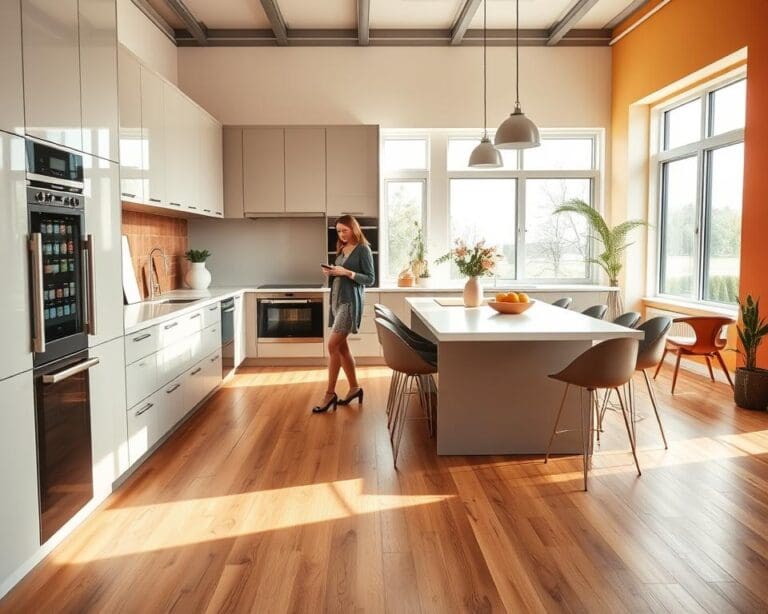
In kitchen-diners leave room for the working triangle—sink, hob and fridge—so the dining table does not impede safe appliance access. For tight kitchens consider bench seating along a wall to improve kitchen-diner table placement without sacrificing circulation. Check manufacturer guidance if you use underfloor heating; some heavy tables or rugs can affect heat distribution.
Dining table styles and finishes to match your interior
Choosing the right dining table styles helps you set the tone of your room. Think about the mood you want, how the table will age and the upkeep it will need. Small choices now save time and expense later.
Traditional, contemporary and transitional design options
A traditional dining table suits period houses and formal rooms. Look for turned legs, pedestal bases and rich woods such as oak, walnut or mahogany. UK retailers like Neptune and The Cotswold Company stock authentic pieces that match this look.
A contemporary dining table favours clean lines and minimal silhouettes. You will find glass tops, slim metal legs and engineered boards at retailers such as Heal’s and Made.com. This style works well in modern flats and open-plan spaces.
Transitional options blend classic proportions with modern finishes. For example, a trestle table in a muted painted finish gives you the best of both worlds. Choose this route if you want longevity and flexibility as trends change.
Wood types, veneers and painted finishes explained
Solid hardwoods such as oak, ash and walnut are durable and can be re-sanded and refinished. Oak is a common UK choice for its robustness and timeless look.
Pine and other softwoods cost less but dent more easily. Engineered boards like MDF and plywood give stability at lower cost and are often covered with real wood veneer for an authentic appearance.
Veneers are thin slices of real wood glued to a substrate. They recreate the look of solid timber while keeping price and weight down, though they cannot be sanded many times.
A painted dining table gives a crisp, uniform surface. Latex or lacquer finishes are common on farmhouse and Shaker styles. They can chip but are straightforward to touch up or recoat if needed.
How finishes affect maintenance and long-term appearance
Oiled wood highlights grain and allows spot repairs with oil. Lacquered or polyurethane finishes resist spills and heat better, but scratches require more work to fix.
Glass tops are easy to clean yet show fingerprints. Stone tops such as marble look luxurious and need sealing to guard against stains and etching.
All finishes fade under strong sunlight. If your table sits by a bright window, consider UV-protective blinds or position it to reduce exposure.
For everyday care, dust with a microfibre cloth and wipe spills straight away. Follow manufacturer advice from brands like John Lewis or Habitat and use coasters and felt pads to protect the surface.
Practical factors: size, seating and functionality
Choosing the right table starts with clear numbers. Use a dining table size guide to match tabletop dimensions with your room and daily needs. Think about seating capacity and how often you host larger groups.
Standard dimensions and recommended clearance per person
Most tabletops sit at about 76 cm high. Seat heights usually range from 45–50 cm. Aim for 28–30 cm from the top of the seat to the underside of the table for good legroom.
Allow 60–75 cm of width per person along the edge. For plate and elbow room, provide 30–40 cm of table depth per diner. Keep at least 90 cm clearance from table edge to walls or furniture so chairs can move freely. If you need space to pass behind diners and serve comfortably, plan for 120 cm.
Extending tables, leaves and multi‑purpose solutions
Extending dining tables are ideal where everyday footprint matters. Look at butterfly leaves that fold away inside the table, removable leaves and drop‑leaf or gateleg styles for compact rooms.
Check build quality before you buy. Dovetail joinery, sturdy metal runners and solid supports mean the mechanism will last. Test how easily the table extends in store and whether leaves clear rugs and flooring when in use.
Consider a multi-purpose dining table if you need flexibility. Use it as a desk, homework station or buffet surface. Pick finishes that cope with varied tasks and pair the table with storage benches or stools that tuck away.
Choosing a table to suit your usual number of diners and guests
Prioritise your everyday needs over occasional parties. A family of four might choose a compact 120 x 80 cm table that seats four, with an extending model to add capacity when guests arrive. A 150 x 90 cm table suits six, while 180 x 90–100 cm can seat six to eight depending on chair styles.
Account for chair width when calculating seating capacity. Bulky armchairs reduce numbers. Benches increase flexibility and often squeeze more people onto the same length. For elderly or mobility‑impaired diners, add extra clearance and pick a stable base with comfortable seats and armrests.
- Test extension mechanisms before purchase.
- Measure combined chair widths to confirm seating capacity.
- Choose durable finishes if the table will serve multiple roles.
Material choices, durability and care for your dining table
Choosing dining table materials affects how the piece performs in everyday life. Solid hardwoods such as oak, walnut and ash offer excellent table durability and can be sanded and refinished when worn, making them a sound long‑term investment for family homes in the UK. Engineered wood and veneer provide the look of solid timber with greater stability and lower cost, though they cannot be refinished repeatedly.
Metal frames and legs, typically steel or aluminium, give a slim, contemporary base and strong support; ensure they are powder‑coated to avoid rust. Glass, stone and composite tops suit different needs: tempered glass lightens a room but shows fingerprints, while granite or engineered stone resist heat and scratches but add weight and may need sealing. Laminate and melamine deliver budget‑friendly options that mimic wood or stone and score highly for scratch and heat resistance.
How to care for dining table surfaces depends on the material. For wooden table care, wipe spills immediately, use a damp cloth then dry, and follow manufacturer advice on oils or hard‑wax finishes; periodic re‑oil keeps oak looking its best. Veneer and laminate need non‑abrasive cleaners and prompt drying, while glass and stone benefit from specialist cleaners and occasional sealing. Use coasters, placemats and felt pads under legs to guard surfaces and floors.
To extend table life look for solid joints, kiln‑dried timber and reliable fixings, and check warranties from major UK retailers such as John Lewis or Heal’s. Consider sustainability by choosing FSC‑certified or reclaimed wood, and when the time comes to replace a table explore resale or recycling options. For more on what works well together in dining furniture, see this practical guide from Evovivo.