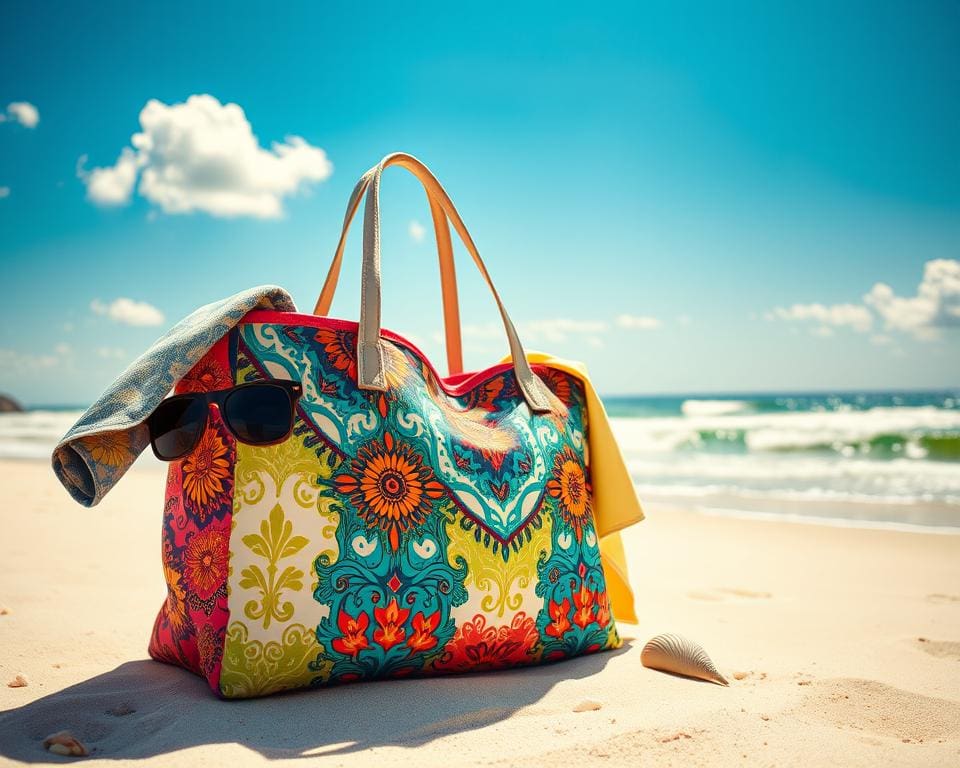
Choosing the right beach bag shapes your day at the shore. Whether you visit Brighton, Cornwall or the Scottish coastline, you need a seaside bag that balances practicality, durability and style. This beach bag guide helps you think about what matters before you buy.
Start by listing your typical beach activities. Sunbathing, swimming, picnicking or dog-walking all demand different features. Knowing who you go with — solo, as a couple or with family — will tell you how much capacity and organisation you actually need.
Think about what a beach bag must do: carry towels, sun protection, snacks, a change of clothes, books or a tablet, and valuables while resisting sand, water and wear. Your choice should also offer comfortable carrying for walks from car or train to shore, and cope with pebbly paths or muddy access points common in UK seaside trips.
Key decision factors you will explore in this guide include material and construction, size and internal organisation, strap comfort, security for valuables, and style or extras such as insulation or foldability. Use this as a checklist when comparing options and hunting for the best beach bag UK retailers offer.
As a quick starting point for how to choose a beach bag: match the bag to your main activities, favour quick-dry and water-resistant fabrics for British weather, and prioritise straps that spread weight if you expect long walks. This will narrow your seaside bag selection fast and make shopping more focused.
Why the right beach bag matters for your seaside days
Choosing the right beach bag affects comfort, protection and style when you head to the coast. A good bag keeps essentials safe, reduces strain on your shoulders and complements your look for a day on the sand or a stroll along the promenade.
Protecting your belongings from sand and water
Sand can ruin electronics and ruin the feel of towels. Look for elevated seams, zippered closures and mesh-free internal pockets to keep grit out and protect belongings beach from abrasive particles.
Water splashes and sudden rain are common around UK shores. A waterproof beach bag or one with water-resistant coated canvas and water-repellent linings will shield phones, books and spare clothes.
Consider clear internal pouches, waterproof phone cases or removable dry bags for wet swimwear. These extras help you separate damp items and make public transport trips easier.
Comfort and ease of carrying for long walks
Long walks along pebbles or promenades demand padded straps and adjustable length to avoid digging into your skin. Choose comfortable beach bag straps made from neoprene or padded cotton to spread the load.
Lightweight materials reduce fatigue. If you travel with a family or heavy kit, look for multiple carry options such as top handles plus an adjustable shoulder strap or a wheeled tote to ease the journey from car park to beach.
Reflecting your personal style at the beach
Beach bags serve as a fashion accessory as well as a utility item. Classic woven straw projects a traditional vibe, while bold printed canvas or minimalist nylon gives a modern look.
Pick colours and patterns that suit your wardrobe and hide marks. Many shoppers in the UK favour sustainable brands using recycled polyester or organic cotton, so a stylish beach bag UK can also reflect your values.
Materials and construction to look for in a beach bag
Choose fabrics and build that match how you use the bag. The right mix of toughness, water resistance and structure keeps your belongings safe and makes the bag last. Below are the main material choices and construction details to inspect before you buy.
Durable fabrics: canvas, nylon and woven options
A heavyweight canvas beach bag gives a classic look and strong performance. Brands such as Barbour and Joules offer robust cotton canvas styles that stand up to regular use. Look for waxed or PVC-coated canvas if you want extra protection from damp.
A nylon beach bag feels light and dries fast. Outdoor brands like Regatta and Seasalt use treated nylon or polyester with DWR finishes that resist mould and wipe clean easily. Recycled polyester options from Patagonia and Rains offer eco-friendly choices without sacrificing durability.
Woven and straw bags add summer style but need care. Choose tightly woven raffia or straw with an internal liner to protect contents from sand and snags. High-street options from H&M and Accessorize work well for dry days when style matters most.
Water-resistant and quick-dry linings
Seek a water-resistant lining so damp swimsuits and sunscreen stains stay contained. PEVA, TPU or coated polyester linings repel moisture and clean with a wipe. A good water-resistant lining also cuts down sand ingress.
Quick-dry mesh pockets are useful for airing wet items. Fully waterproof pockets or removable dry sacks protect electronics and valuables. A detachable insert makes it simple to separate wet gear from dry items when needed.
Stitching, seams and reinforced bases for longevity
Check the strap attachments and stress points for double-stitched seams and bar tacks. These reinforcements reduce the chance of ripping when the bag carries heavy loads.
A reinforced base bag, with a rigid insert or thicker panel, prevents sagging and shields the base from pebbles and rough surfaces. Look for sealed seams and rust-resistant hardware, such as stainless steel zips or brass fittings, to withstand salty air.
- Inspect lining seams to ensure they are sealed on water-resistant models.
- Test handles where they meet the bag for extra stitching or rivets.
- Prefer bags with replaceable base inserts for longer service life.
Choosing the perfect size and organisation for your beach bag
Pick a size that matches your typical day by the sea. A compact tote that holds a towel, book and water bottle suits quick trips. If you pack snacks, a sunshade or gear for children, choose something larger.
Capacity: how much you really need to carry
Think in litres rather than style names. For one adult a 20–25 litre bag usually fits a towel, sunscreen, a small toiletry pouch and a folded blanket. Families and picnic groups should look at 35 litres or more to avoid cramming.
Measure the items you take most often. A large cooler or full-size beach umbrella may push you into the 45–65+ litre range, which can be bulky on public transport. Match beach bag capacity to how you travel and how far you walk.
Internal and external pockets for essentials
Good organisation saves time and keeps sand where it belongs. Seek internal mesh pockets for damp swimwear and a padded sleeve for phones or tablets. A zipped inner pocket is handy for cash and cards.
External pockets make quick items easy to reach. Elasticated bottle holders, a sunglasses pocket and an insulated sleeve stop things tumbling out when the ground is uneven. Consider clear pockets for travel tickets and small essentials.
Zips, closures and secure compartments for valuables
Choose closure types based on where you go. A full zip top gives the best protection from sand and opportunistic theft, while magnetic or snap fastenings offer speed. Pair quick closures with zipped inner pockets if you need both.
For busy seaside towns, anti-theft touches matter. Lockable zips, RFID-blocking sleeves and concealed compartments turn an ordinary carryall into a secure beach bag. Use simple habits such as keeping valuables in a rear pocket when moving through crowds.
For tips on durable materials and travel-friendly layouts, read this practical guide on travel backpacks to adapt ideas for a beach-ready kit: best organised beach bag.
Features, styles and extras to consider when buying a beach bag
When you choose a beach bag, think first about practical beach bag features. An insulated beach bag or one with a removable cooler pouch keeps drinks and snacks fresh on warm days. Look for foldable beach bag designs if storage is tight; many fold flat and secure with a snap, saving space in your car or cupboard.
Consider extras that stop sand and damp from spreading. Removable wet/dry bags and dedicated shoe compartments keep swimsuits and trainers separate. External loops or integrated towel straps free up internal room and make loading quicker. Reinforced bases and easy-to-clean linings are useful for regular family trips or dog walks.
Match style to activity. Classic straw or woven totes suit sunlit, relaxed days, while technical nylon or polyester totes with zips work better in changeable weather. If you travel light, a mini crossbody or sling handles essentials for crowded piers. If sustainability matters, choose a sustainable beach bag from brands such as Patagonia, Rains or Fjällräven that use recycled or organic materials.
Before you buy, run a final checklist: confirm the typical load and capacity, test strap comfort and adjustability, inspect material and water resistance, and check secure closures for valuables. Compare options at Marks & Spencer, Regatta or specialist retailers to find the best beach bag features for your seaside routine.