Choosing the right handbag changes how you move through a day in London, Manchester or smaller towns. The best handbags balance style, organisation and toughness so your phone, wallet and documents stay safe while you commute, run errands or meet friends.
Everyday covers many routines: the Tube or bus commute, cycling to work, school runs, office days and short trips. An everyday bag should be versatile enough to feel at home in each of these settings without looking out of place.
When you shop for an everyday handbag you trade off size versus weight, fashion versus function, and price versus longevity. A smart choice keeps you organised with sensible compartments, comfortable straps and secure closures, while complementing your wardrobe.
For UK life, consider the weather and typical journeys. Damp conditions and sudden rain mean you need materials that shrug off moisture. Crowded platforms and buses demand secure fastenings and adjustable straps so your work bag or daily handbag stays close and comfortable.
This article will guide you in three clear areas: how to choose a handbag that balances style and function, which styles suit everyday wear (from everyday tote to everyday crossbody), and how to care for durable handbags UK to extend their lifespan. For a deeper look at craftsmanship and custom options, see a note on handmade and bespoke pieces at what makes a custom handbag truly.
How to choose an everyday handbag that balances style and function
Start by assessing your daily needs and lifestyle so you know what to prioritise. Make a quick checklist of typical items you carry: laptop or tablet, notebook, water bottle, umbrella and a few cosmetic items. Note your commute type and the mix of work and social occasions you attend. Count how many pockets you prefer and whether you need fast access for keys and phone.
Use simple size guidance when you choose handbag options. For a 13–14 inch laptop, pick a bag with interior dimensions to match or use a dedicated laptop sleeve. For essentials-only days, mini bags around 20–25cm wide work well. If you walk a lot, favour lightweight fabrics and ergonomic straps. If you drive, a shoulder bag with a 20–30cm drop is comfortable.
Assessing your daily needs and lifestyle
Security matters for city living. Look for zipped closures, internal zip pockets and RFID-blocking wallets or card slots if you worry about skimming. Think about weight tolerance: padded straps reduce strain on long walks. Small-batch makers often offer customised options that suit unique routines.
Key features to look for: compartments, straps and hardware
Good handbag compartments keep receipts, keys and makeup separate. Seek a main compartment with organiser panels, a dedicated phone pocket and a zipped pocket for valuables. Slip pockets give quick access to transit cards.
Straps shape how you carry your bag. Opt for adjustable straps for crossbody wear, detachable straps for versatility and padded shoulder straps for heavier loads. Double handles suit tote-style carrying. Check strap drops so the bag sits comfortably at the hip or under the arm.
Hardware quality affects longevity. Look for robust zips, such as YKK, sturdy metal clasps and reinforced stitching at stress points. Inspect rivets and metal finishes for corrosion resistance in wet weather. Compare closures: zip gives security, magnetic snaps speed access and flaps add weather protection.
Materials and durability for regular use
Choose handbag materials that match how you use the bag. Full-grain and top-grain leathers last longer and develop a pleasing patina. Brands such as Mulberry and Aspinal of London show how quality leatherwork endures. Consider vegetable-tanned leather if you prefer natural ageing, or chrome-tanned for a smoother finish.
Alternatives include coated canvas, ballistic nylon and sustainable textiles like recycled nylon or cork. Coated canvas resists stains, ballistic nylon offers excellent water resistance and cork brings an eco-friendly look. Check lining and structure: cotton canvas or coated textile linings reduce wear. A structured base with removable inserts helps maintain shape.
Inspect stitching and fittings. Double stitching on seams, reinforced strap attachment points and metal feet on the base prevent scuffing and extend life, making a case for buying durable handbags UK when you need long-lasting everyday use.
Colour and finish choices to match your wardrobe
Pick neutrals if you want a versatile everyday companion. Black, tan, navy and grey suit work and casual outfits. Cream and camel soften looks but need more care. Use handbag colour tips to plan a small rotation: keep one statement bag in burgundy or forest green for seasonal changes.
Finish matters for maintenance. Matte leather hides minor marks while glossy finishes show scratches. Textured options such as Saffiano resist scuffs. Avoid suede in wet British weather unless you will treat it with protective sprays. Match hardware tones to your jewellery: gold or silver can complement your usual accessories.
For bespoke choices and guidance on creating a custom bag, consult a trusted maker and read a practical bag buying guide like this how to create the perfect custom to learn about measurements, materials and production timelines.
Handbag styles that work best for everyday use
Choosing the right silhouette makes daily life smoother. Below are practical options that match different routines and wardrobes, from roomy carry-alls to compact organisers.
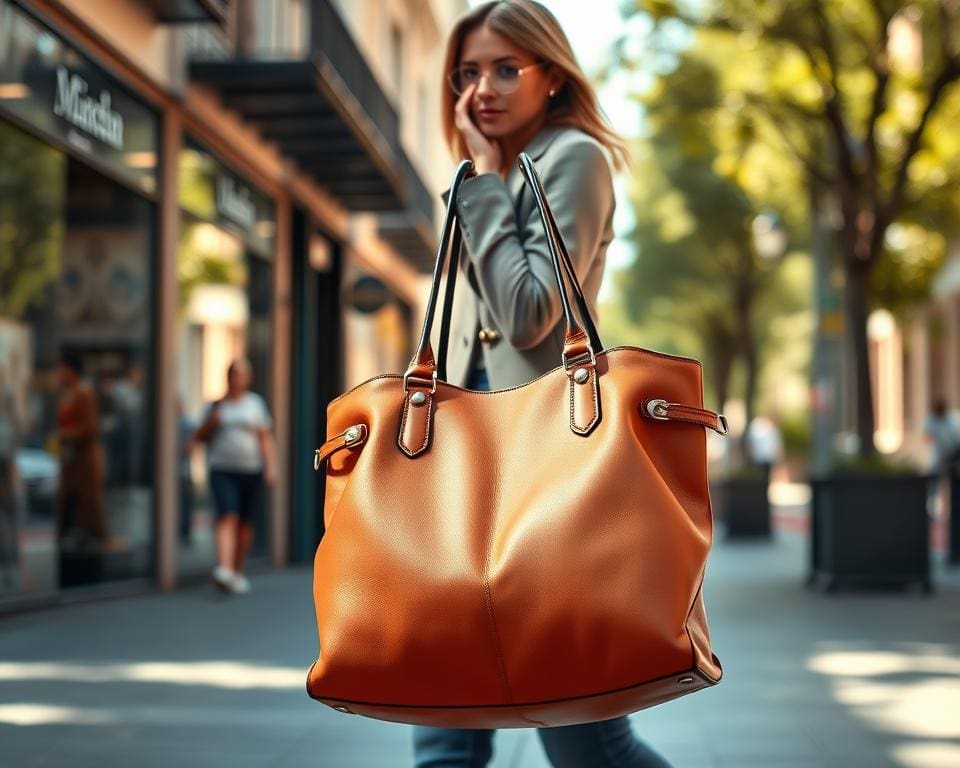
Tote bags give you space and simplicity. A classic tote bag everyday often features an open-top or zip-top main compartment and twin handles, making it ideal for commuting, shopping and carrying a laptop or lunch box.
Consider Longchamp Le Pliage for a foldable canvas option and leather totes from Mulberry or Radley for a smarter finish. Pros include great capacity and easy access. Cons include extra weight when packed and less security if the top is open. Use an organised pouch or removable internal organiser to keep small items tidy.
Crossbody convenience for busy days
A crossbody bag UK style spreads weight evenly and keeps your hands free on public transport or while cycling. Sizes range from small phone-and-card holders to larger designs that fit tablets and notebooks.
Look for adjustable straps so you can wear it across the body or on one shoulder. Seek zipped compartments and slim profiles that sit close to you for extra security. Brands such as Cuyana offer minimalist crossbodies while Fjällräven supplies more technical options. This shape suits commuters, tourists and anyone who values mobility.
Classic saddle and shoulder silhouettes
A saddle bag or shoulder bag brings a timeless curve and polished look. These designs often have a single strap and a flap closure, offering medium capacity for daily essentials.
Modern tweaks include detachable straps, better internal organisers and updated hardware to increase practicality. Consider Coach, Marc Jacobs or Tod’s for accessible luxury, or explore British heritage labels for refined shoulder bag options. This style works well for office-to-evening transitions but may hold less than a tote.
Mini bags and organised pouches for light days
A mini bag suits nights out and quick errands when you need only a phone, cards and keys. An organised pouch is useful inside larger bags or on its own as a neat, modular solution.
Options include belt bags, wristlets and tech pouches with card slots or RFID protection. Brands such as Kate Spade, Bellroy and Muji make practical minis and organisers. These pieces are very lightweight and fashionable, though limited capacity means you must edit your daily carry.
- Best everyday handbag styles: choose based on how much you carry and the activities you do.
- Use an organised pouch to turn a tote into a tidy system.
- Pick a crossbody bag UK style for security and freedom on busy streets.
How to care for your everyday handbag and extend its lifespan
Look after your bag with simple daily habits to keep it looking fresh. Empty loose debris, wipe the exterior with a dry, lint-free cloth after commutes and keep liquids in sealed containers to avoid spills. These small actions form the backbone of effective handbag care and help you clean handbag marks before they set.
Match cleaning to the material. For fabric and canvas, spot-clean with a mild detergent and water and follow the manufacturer’s instructions; removable linings can sometimes be hand-washed. For leather, dust with a dry cloth and condition occasionally with a neutral leather conditioner, testing on an inconspicuous area first. For suede, use a suede brush and a specialist eraser for marks to protect leather bag surfaces without damaging the nap.
Protect against weather and store wisely to extend bag lifespan. Use a waterproof spray recommended by the brand where possible and ensure the bag is fully dry before storing to prevent mould. Stuff your bag with acid-free tissue paper to retain shape, keep it in a breathable dust bag rather than plastic, and avoid prolonged sunlight. Rotate bags seasonally to prevent uneven wear and keep structured styles on flat shelves.
For repairs and hardware care, tackle minor fixes early: re-stitch loose threads, have straps replaced by a local leather repairer and polish metal fittings with a soft cloth. For deep stains or structural damage, seek manufacturer repair services or specialist leather restorers in the UK. Use organisers to reduce internal abrasion, consider base protectors or metal feet, and purchase care items such as suede protector, soft-bristle brush and mild detergent from reputable stockists like Selfridges, Harrods or brand boutiques to ensure authenticity and effective handbag maintenance.