
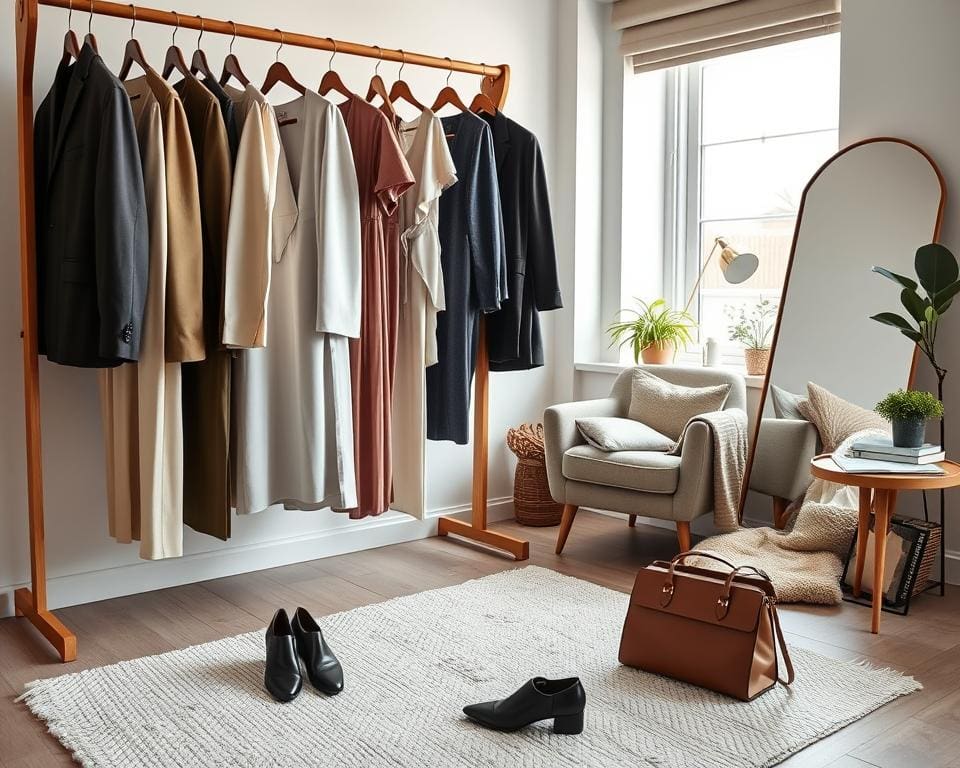
You may have noticed more people talking about a capsule wardrobe. The idea is simple: a curated set of essential, interchangeable items that maximise outfit choices while reducing the number of garments you own. The term dates back to Susie Faux in the 1970s and has been revived by modern bloggers, designers and lifestyle writers.
Search interest for capsule wardrobe and capsule wardrobe UK has risen steadily, and major British outlets such as The Guardian, The Telegraph and BBC lifestyle pages now cover the capsule wardrobe trend regularly. UK stylists and fashion bloggers publish practical guides, which has helped the concept reach a wider audience.
Several shifts explain why capsule wardrobes are popular. Younger professionals prize simplicity and time savings, parents want easier morning routines, and retirees often downsize and favour versatile pieces. The approach works across ages and body types because you tailor the selection to your needs.
This article will show you how a capsule wardrobe streamlines your style, saves time and money, and supports sustainable dressing. You will find a clear definition and how-to, a look at social and cultural drivers, the environmental and economic case, and practical daily benefits with actionable tips for British wardrobes.
What is a capsule wardrobe and how it works
Understanding what is a capsule wardrobe helps you simplify choices and save time each morning. At its core, a capsule wardrobe definition is a compact collection of 20–50 thoughtfully chosen garments that mix and match to create many outfits. You keep underwear, workout wear and accessories separate, focusing on versatile pieces that suit your life.
Start with the core principles: intentionality, versatility, neutral base colours, good proportion and reliable quality. Susie Faux, who ran Wardrobe in London, began the idea of a pared-back closet. Donna Karan later popularised the concept with her seven easy pieces. Those examples show how cohesion and simplicity create a practical wardrobe that lasts.
Definition and core principles of a capsule wardrobe
The capsule wardrobe definition emphasises fewer items that work harder for you. Choose pieces with purpose and aim for neutral tones plus one or two accent colours. Fit matters; a well-cut blazer or tailored trousers lift many looks. Prioritise durable fabrics and quality construction so garments wear well through repeated use.
How to build a capsule wardrobe: pieces to include and exclude
When you decide how to build a capsule wardrobe, begin with a wardrobe audit. Declutter by category and note what you wear most. Create a colour palette of three to four base hues and one or two accents to keep mixing simple.
- Capsule wardrobe essentials for UK life: a white shirt, Breton top, navy blazer, trench coat, neutral knitwear, one tailored trouser, one casual trouser, jeans, a versatile dress, ankle boots, smart flats, trainers and a handbag.
- Exclude trend-led or single-use pieces and flimsy impulse buys that won’t combine well or will wear out quickly.
- Match choices to lifestyle: office commuters need more tailoring; parents may favour easy-care fabrics and comfortable shoes.
Set garment counts per category, for example 3–5 jumpers and 2–3 jackets, to keep the wardrobe balanced. Shop brands you trust for staples: Marks & Spencer, John Lewis & Partners, COS and Boden offer dependable options across price points.
Seasonal rotation and versatile styling tips
A seasonal capsule wardrobe swaps outerwear and fabric types as the year changes. Pack away summer linens in breathable boxes and bring out wool and heavier coats for winter. Aim to rotate items every three months to check condition and relevance to your life.
- Layering strategy for the UK: base layer such as a cotton or silk cami, mid-layer like merino or cashmere, outer layer a waterproof trench or wool coat.
- Stretch outfits using scarves, belts and jewellery. Dress down tailoring with trainers or mix high-street pieces with investment items for variety.
- Storage tips: use breathable garment bags for coats, cedar blocks to deter moths and fold knitwear to keep shape.
Simple seasonal reviews keep your capsule practical and personal. Every three months, reassess wear, update for changes in your routine and refine your capsule wardrobe essentials so the system keeps working for you.
Social and cultural drivers behind the trend
The move towards a pared-back wardrobe reflects wider lifestyle shifts you may already recognise. Minimalism fashion has grown beyond interiors into how people choose clothes, favouring fewer items that deliver more use. You find this in people aiming for an intentional living wardrobe to cut decision fatigue and free time for experiences.
Books and methods such as Marie Kondo’s approach helped spread the idea that tidying is linked to mental clarity. A capsule wardrobe channels that thinking by asking you to keep pieces that spark purpose and joy. The result is clearer personal style, less morning stress and a stronger sense of control over consumption.
Minimalism and the shift towards intentional living
Minimalism fashion reframes value around quality, not quantity. You adopt neutral palettes, clean lines and adaptable staples so items move easily between roles. This reduces waste and supports eco-friendly choices when you prioritise fabrics like organic cotton or wool blends.
Using decluttering methods makes curating simpler. Start with core pieces such as tailored trousers, a crisp white shirt and a reliable coat. These become the backbone of your intentional living wardrobe and make mixing and matching straightforward.
Influence of social media and style influencers in the UK
Instagram, TikTok and YouTube accelerate the trend by offering practical examples you can copy. Style influencers UK such as Grace Victory and Kate La Vie have shared capsule challenges and seasonal edits that help you visualise what a compact collection can look like.
Major retailers link with creators to promote capsule-friendly campaigns, which makes good quality pieces more visible. The content often gives quick templates like 10×10 challenges and haul videos you can adapt. You should treat these as inspiration, not strict rules, because staged looks can feel over-polished for everyday life.
Changing workplace norms and casual dress codes
Work culture in many UK sectors is shifting to hybrid and casual models. Casual dress codes in tech and creative industries make a compact, polished capsule more practical than a large formal wardrobe. You can meet video calls and local meetings with fewer versatile items.
Some professions still expect formal attire, for example law and certain finance roles. In those cases you can tailor your capsule to include a couple of sharper pieces for court or client-facing days. For most people, remote work encourages comfortable but presentable choices that suit capsule wardrobe social trends.
For a practical guide to building this approach, see why choose a minimalist wardrobe this to explore how quality over quantity supports sustainability and daily ease.
Environmental and economic reasons people choose capsule wardrobes
You can make a meaningful difference to the planet and your purse by adopting a sustainable fashion capsule wardrobe. Choosing fewer, longer-lasting items lowers demand for fast-fashion turnover and reduces textile waste, water use and carbon emissions.
Combine capsule thinking with circular economy habits to extend garment life. Buy pre-loved pieces on eBay or Depop, search charity shops such as Oxfam and the British Heart Foundation, mend items, or donate and recycle responsibly. UK campaigns and initiatives encourage these habits and promote slow fashion UK choices.
How a capsule wardrobe supports sustainable fashion
A capsule wardrobe discourages overconsumption by encouraging mindful buys. You learn to favour durability and versatility over disposable trends. That behaviour directly helps reduce clothing waste and supports an ethical wardrobe mindset.
Practical steps include repairing seams, choosing timeless cuts and sourcing items from brands with clear sustainability policies. For guidance on building a practical set of pieces, see this short guide on what to include and why: what pieces build a perfect capsule.
Cost-per-wear: saving money and reducing waste
Cost per wear is simply the purchase price divided by number of wears. That figure helps you decide when an investment makes sense.
- Example: a £250 coat worn 250 times has a cost per wear of £1.
- Compare that with a £50 coat worn 20 times, which costs £2.50 per wear.
Track how often you wear items to spot wasteful purchases. Budget for key investment pieces and use cheaper items for short-lived trends. This approach trims expenses and cuts the volume of discarded garments.
Quality over quantity: investing in better garments
Select materials and craftsmanship that extend life. Look for wool, cotton, linen, leather and well-made synthetics, plus reinforced seams and quality linings. These choices lower the chance of early replacement and help reduce clothing waste.
Consider reputable brands and services known in the UK for durability and ethics. Barbour excels at outerwear, Marks & Spencer offers dependable staples, Reformation and People Tree focus on sustainable fashion, and local tailors can alter items to lengthen wear.
Learn basic garment care to protect your investment. Simple skills such as mending, correct washing, using shoe trees and storing items properly will keep pieces wearable for longer and support an ethical wardrobe.
Practical benefits for your daily life and styling routine
A capsule wardrobe delivers clear capsule wardrobe benefits by cutting the time you spend choosing outfits. A curated selection of coordinated pieces makes your morning routine wardrobe quicker and calmer. Lay outfits out the night before, assemble a workweek set of looks and try a single-hanger system for pre-planned outfits to see how daily styling tips become habits that free up mental space.
Limiting choices helps you sharpen your personal style and boosts confidence. By focusing on fits, colours and silhouettes that suit you, you learn what works and stop impulse buys. Create a mood board or a Pinterest board to capture your aesthetic, and use it when shopping so each addition supports wardrobe simplicity rather than clutter.
A compact wardrobe also makes packing and travel far easier. For a long weekend, pack a 7–10 item travel capsule: neutral trousers, a knit, a white shirt, a versatile dress, a blazer, trainers, ankle boots, a lightweight coat, a scarf and a small crossbody bag. This approach shows how capsule wardrobe benefits extend to business trips and short breaks around the UK and Europe by maximising outfit options from fewer items.
At home, fewer clothes mean less clutter and simpler routines. You’ll find laundry cycles more manageable and your wardrobe easier to organise with labelled boxes for seasonal rotation, a small display rail for ready outfits and a digital inventory or spreadsheet to track what you own. Try this five-step starter plan: (1) audit your wardrobe, (2) define your colour palette and lifestyle needs, (3) remove items that don’t fit or match, (4) identify gaps and invest deliberately, (5) set a quarterly review. Test a 30-day capsule challenge to experience how wardrobe simplicity and how capsule wardrobes save time fit into your life, and adapt the rules to suit your needs.