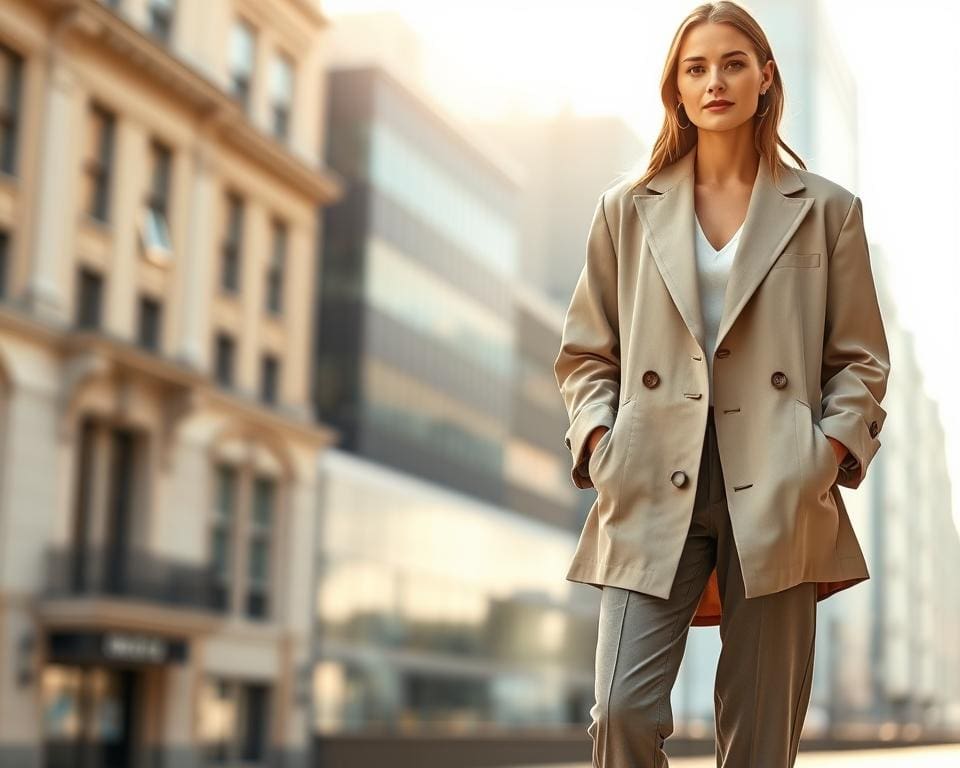
You might search “why oversized blazer” because you want style that works across work, weekends and evening plans. The oversized blazer answers that need by pairing structured tailoring with relaxed proportions, so it reads as both a fashion staple and a practical layering piece.
Runways and high-street shelves confirm the point: Margiela and Gucci sit alongside Zara, & Other Stories and COS, keeping the silhouette visible and accessible. This crossover — from designer catwalks to everyday retailers — helps explain the blazer trend 2026 and why the piece keeps reappearing.
Celebrities and influencers amplify the look through street-style coverage and fashion weeks, while social platforms steer quick adoption. The oversized blazer flatters many body shapes, hides fit imperfections and makes smart-casual dressing effortless, which strengthens its case as a wardrobe essential.
Beyond style, cultural shifts matter. The balance of masculine tailoring with softer lines fits modern gender-neutral and power-dressing aesthetics, and the garment’s versatility boosts cost-per-wear for a considered capsule closet. For more on its staying power, see this analysis on why oversized blazers never go out of style: oversized blazer longevity.
The enduring appeal of the oversized blazer in contemporary fashion
The oversized blazer endures because it sits at the meeting point of history, practicality and personal style. You can trace its roots through naval and sporting jackets, Savile Row tailoring and the power shoulders of the 1980s. Those origins give the piece a stable identity while allowing each era to rework the shape for new tastes.
Historical roots and cyclical trends
When you look into the history of blazer you find clear milestones: maritime uniforms evolved into sporting jackets, then bespoke Savile Row cuts refined the silhouette. The 1980s brought exaggerated shoulders and a commanding feel. The 1990s softened that into relaxed suiting, while the 2010s pushed gender-neutral tailoring. Runways and archives in Vogue and Harper’s Bazaar document those shifts.
Fashion moves in loops, which explains cyclical fashion trends. The oversized blazer returns because designers alter padding, length, fabric or pattern each cycle. That keeps the item familiar yet fresh, so the blazer fashion history reads like a series of adaptations rather than repeats.
Versatility across styles and seasons
Your oversized blazer can be smart or casual depending on what you pair it with. Wear it with tailored trousers for the office, denim for weekends or a slip dress for evening. Street-style editors show how one jacket serves many looks.
Layering is key to seasonal styling blazer. You can throw it over a lightweight tee in summer, place it on top of a hoodie in autumn or use it as a light coat in spring. Fabrics change the mood: linen and cotton for warm months, wool and tweed for cold days, pinstripes or checks for a tailored feel.
Brands such as COS and Massimo Dutti offer clean, minimalist lines. Paul Smith and Burberry bring classic British checks. The Frankie Shop and Acne Studios explore modern oversized shapes. These variations highlight oversized blazer versatility across wardrobes.
Comfort, practicality and modern lifestyle
Comfort dressing shapes how people shop now. Post-pandemic routines, remote work and hybrid schedules pushed relaxed tailoring into everyday wear. The oversized blazer meets that need by feeling effortless while remaining polished.
Practical benefits matter when you move through a busy day. The silhouette gives you freedom of movement and room for layers. Pockets add usefulness. The forgiving cut works for many body shapes, which helps with inclusivity and confidence.
When you buy pieces that can be restyled, you support a slow-fashion mindset. An adaptable blazer reduces the need to buy many single-use items, extending wardrobe life and value.
How to style an oversized blazer for different occasions
Wearing an oversized blazer well comes down to balance, fabric and purpose. This short guide gives practical blazer outfit ideas for work, weekends and evenings, with notes on blazer seasonal fabrics to help you pick the right weight and finish.
Smart-casual looks for the office and meetings
For a polished oversized blazer office outfit, keep lower layers streamlined. Pair the blazer with slim trousers or a pencil skirt so the silhouette reads tailored rather than voluminous.
Choose a crisp shirt or fine-gauge knit under the jacket. Shoe choices that work include loafers, smart ankle boots or leather oxfords for formal meetings.
Colours such as navy, charcoal and camel hold authority. If you want brands with professional finishes, consider SuitSupply, Jigsaw or Reiss for reliable construction and cut.
Casual and street-style combinations
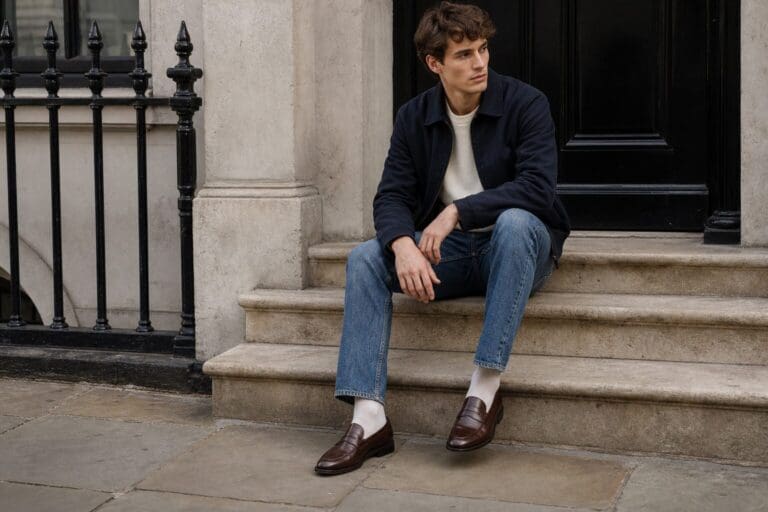
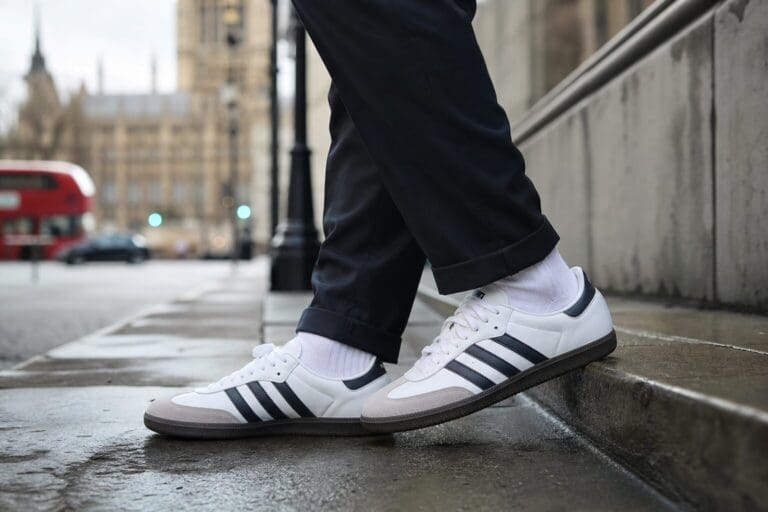
To achieve a street-style blazer look, team the jacket with straight-leg jeans, a tee and white trainers for an easy outfit. Swap the tee for a slim hoodie to add contemporary layering while avoiding bulk.
Accessories like bucket hats, crossbody bags or chunky boots give intentional attitude. Mix high-street finds with a designer bag or vintage piece to create character.
Evening and event styling
For an evening blazer look, contrast relaxed tailoring with dressier items. Try the blazer over a slip dress or tailored shorts with heels for an elegant edge.
Introduce silk blouses, statement jewellery or a waist belt to tilt the outfit towards formality. Fabrics with slight sheen, velvet or satin linings read well after dark; black and deep jewel tones remain reliable choices.
Be mindful of blazer length. Too-long proportions can overwhelm delicate evening silhouettes, so test the jacket with your chosen dress or skirt before the event.
Seasonal adaptations and fabric choices
Spring and summer favour linen blends, lightweight cotton and unlined constructions for breathability. Lighter colours and pastels suit warmer months while keeping the look fresh.
Autumn and winter need warmer weaves such as wool, tweed or mixed-fibre suiting. Checked and herringbone patterns add seasonal interest without losing polish.
Use thin merino or cashmere knits for transitional layering. If you commute, choose travel-friendly blends; lighter fabrics crease easily, so mixed fibres can be more practical.
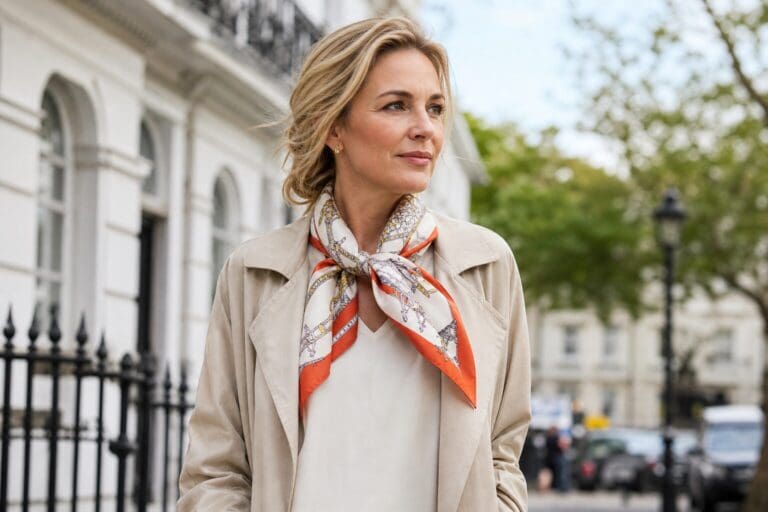
For quick scarf tips that lift an oversized blazer, consider three versatile pieces—a silk square, a medium wool and an oversized cashmere—and practice a small set of knots and drapes. Learn more about matching scarf weight to jacket weight and creative ways to wear scarves at scarf styling guide.
Buying guide and care tips to keep your oversized blazer looking sharp
When you decide to buy oversized blazer pieces, start with fit. Even an oversized cut should have the shoulder seam sit near your natural shoulder. Check sleeve length — it should hit the wrist or fall slightly longer depending on the look you want. Consider overall length: petite frames often suit shorter blazers, while taller figures can carry longer silhouettes. Use this oversized blazer fit guide to judge proportions before you buy.
Choose fabric and construction with purpose. Wool or wool-blends give warmth and longevity for UK winters, linen works for warm months, and cotton blends suit everyday wear. Inspect lining and structure: partially lined styles layer well, while fully lined blazers keep shape. Decide between single-breasted for versatility and double-breasted for a stronger statement. Look at stitching, button attachment and lapel roll as price-to-quality indicators; brands such as Marks & Spencer Autograph, Hobbs and COS are good reference points.
Think about tailoring oversized blazer pieces rather than rejecting them for minor issues. Simple alterations — shortening sleeves or nipping the waist — preserve the oversized feel while improving fit. Follow label instructions for cleaning: many wool blazers need dry cleaning, while some cotton or blends are machine washable. Avoid over-cleaning; spot-clean where possible.
For daily upkeep and blazer maintenance, steam rather than iron to refresh fabric, use a lint roller and a fabric brush for wool, and store on broad-shouldered hangers in breathable garment bags. Re-sew loose buttons promptly and fix lining tears early. For rainy UK days, apply a water-repellent spray to cotton blazers or choose a tighter weave, and when heavy rain threatens, wear a waterproof coat over your blazer. Use this checklist — intended use, fabric, shoulder and sleeve fit, construction details and tailoring plans — to buy oversized blazer options that stay sharp and durable.