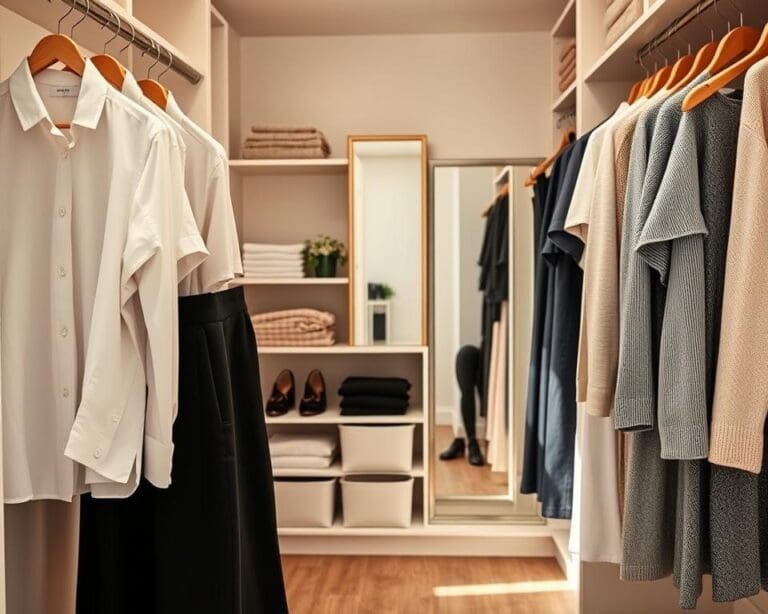
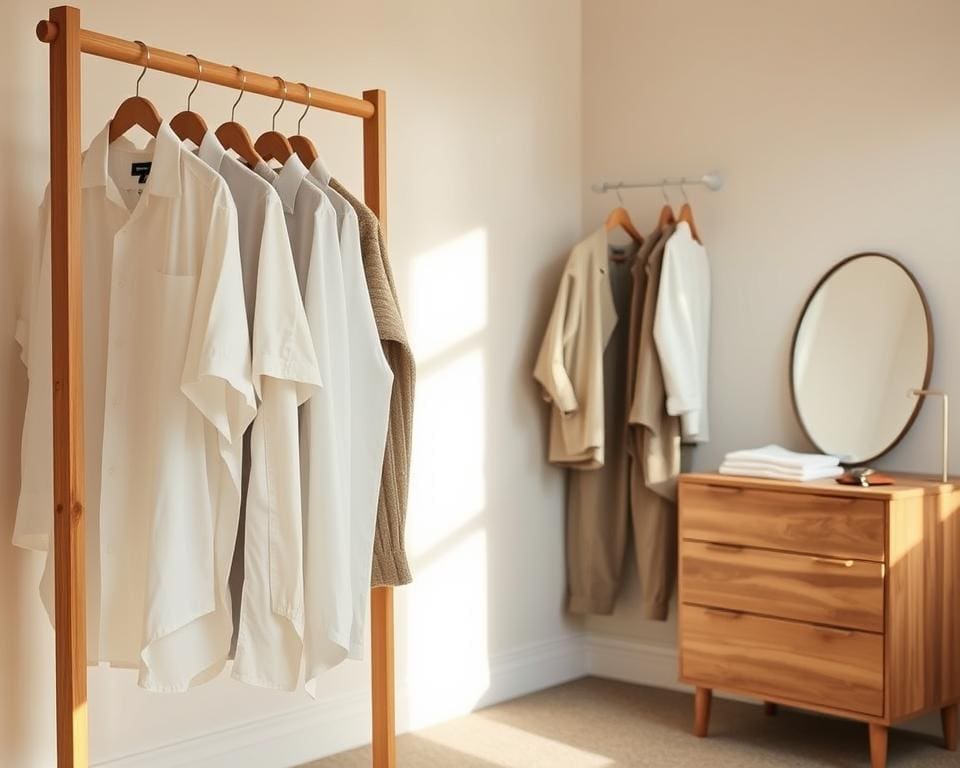
You’ll find this article answers the core question of how to create a minimalist wardrobe by setting clear expectations. A minimalist wardrobe is a curated collection of clothing and accessories chosen for versatility, quality and fit rather than sheer quantity. The aim is practical: a purposeful, functional set of items that suits your lifestyle, local climate and personal style, not a fixed item count.
Throughout this capsule wardrobe guide you will learn what minimalism in clothing means and why it matters. Expect simple explanations of benefits such as time saved, reduced decision fatigue, cost efficiency and environmental advantages. The piece is written for readers in the United Kingdom, so examples and shopping suggestions reflect UK seasons and local options.
The article also shows you how to audit and build a capsule, where to source pieces responsibly and how to maintain and evolve your collection. You’ll get practical steps on selecting a colour palette, prioritising fabrics and fit, and spotting trusted sustainable labels and second‑hand sources like Depop, Vinted, charity shops and local vintage stores. Realistic timelines, checklists and rules of thumb — for example a starting point of 30–40 core items — are offered while encouraging you to adapt the approach to your needs.
Understanding the minimalist wardrobe and why it matters
Start by seeing the minimalist wardrobe meaning as a practical alignment of clothes with your daily life. Your capsule should match routines, work dress codes, social plans and the UK climate. If you work from home, prioritise cosy knitwear, versatile trousers and smart‑casual tops. If you work in an office, choose tailored jackets, shirts and neutral shoes that cope with cobbles and rain.
What a minimalist wardrobe means for your lifestyle
A true minimalist lifestyle makes each item earn its place. Select pieces that serve multiple outfits and occasions. Think layering for variable weather: a lightweight turtleneck under a tailored jacket and a long coat creates several looks from a few items.
Practical choices include waterproof outerwear, leather or rubber soles for wet streets and boots that suit both work and weekends. Use a cohesive colour palette and balanced textures to make mixing and matching simple.
Benefits: simplicity, time saved and reduced decision fatigue
The benefits of minimalist wardrobe go beyond neat drawers. You will save time each morning and cut decision fatigue. With fewer curated options, getting dressed can drop from 15 minutes to five minutes.
Expect fewer impulse buys and clearer personal style. Many people reduce clothing spend by 20–40% annually when they prioritise quality over quantity. A consistent wardrobe can boost confidence and reduce household clutter, improving overall wellbeing.
Sustainability and ethical considerations in a minimalist approach
Minimalism supports sustainability by reducing purchases and textile waste. Choosing durable fabrics such as organic cotton, Tencel/lyocell, linen and wool extends garment life and lowers your carbon footprint.
Look for certification like GOTS, Fair Wear Foundation or B Corp when you can. Repairing and caring for clothing keeps pieces in use longer. Use charity shops such as Oxfam or British Heart Foundation and resale platforms like Vinted or Depop to give garments a second life.
Brands available in the UK that model ethical fashion UK include People Tree, Thought, Finisterre and Patagonia. Weigh the trade‑offs between fast fashion and investment pieces; buying less, better and for longer helps both the planet and your wallet.
Practical steps are straightforward: assess and declutter your wardrobe, identify core items, keep a cohesive palette and favour fabrics that last. For a deeper guide on building a pared‑back closet this season, read this practical overview.
Building your minimalist wardrobe
Start with a clear plan so you can move from clutter to clarity. Use a simple method to assess what you own, decide the palette and silhouettes that suit you, choose durable pieces and know where to buy items that match your values.
Assessing your current wardrobe: audit and declutter
Empty one category at a time — outerwear, shirts, trousers — and sort each item into four labelled piles: keep, repair, donate, sell, recycle. Use objective criteria: how often you wore it in the last 12 months, fit, condition and whether it suits your current lifestyle.
Apply the one-year rule as a guide: if you have not worn it in 12 months consider letting it go, with exceptions for seasonal pieces or sentimental garments. Set up boxes or labelled bags for each pile, photograph items you plan to sell and use local UK donation options like Oxfam, British Heart Foundation or community charity shops. For irreparable items, use textile recycling banks.
Defining a personal capsule: colours, silhouettes and lifestyle needs
Choose a neutral base palette — black, navy, grey, beige and white — then add one or two accent colours that flatter your skin tone and fit daily life. Keep capsule wardrobe colours consistent so you can mix and match easily.
Aim for 30–40 core pieces as a flexible starting point: outerwear, 4–6 pairs of trousers or skirts, 6–10 tops, 2–4 dresses if relevant, 3–5 pairs of shoes and essential accessories. Keep silhouettes coherent: pair slim trousers with tailored tops or relaxed jeans with structured coats for maximum versatility.
Create outfit templates for common needs — smart-casual work, weekend and evening — and adapt them seasonally. Pack a travel capsule from those templates to see what you truly need on repeat.
Choosing quality over quantity: fabric, fit and longevity
Look for natural fibres such as wool, cotton, linen, silk and Tencel for breathability and durability. Prefer mid-weight fabrics for structure, well-finished seams, linings where needed and sturdy hardware on zips and buttons.
Check fit carefully: shoulder seams should sit at the shoulder, sleeve length should reach the wrist bone, and there should be sensible ease at waist and hips. Tailoring small adjustments like hemming or nip-in waists extends wear and is often cost-effective.
Care extends life. Follow garment labels, wash less often on cool cycles, air-dry and repair small holes or resew buttons. Expect a well-made coat or blazer to last five to ten years with proper care. When building a minimalist wardrobe favour quality clothing UK options to ensure longevity.
Where to buy: second-hand, sustainable brands and local shops
Source pieces from charity shops and local vintage stores for unique finds. Use online resale marketplaces such as Depop, Vinted and eBay when seeking second-hand clothing UK offerings. For occasional items consider rental services like Hurr or By Rotation.
Support transparent, sustainable brands available in the UK such as Patagonia, Finisterre, Thought and People Tree when you need new items. Evaluate brands by supply-chain transparency, certifications like GOTS or Fair Wear and repair or take-back programmes. If you want to buy sustainable clothes UK, look for clear material information and ethical policies.
When shopping second-hand, check measurements, request extra photos, inspect seams and stains and be patient. Building a capsule slowly helps you find better value and align purchases with your lifestyle and goals for building a minimalist wardrobe.
Maintaining and evolving a minimalist wardrobe
To maintain minimalist wardrobe habits, schedule simple daily routines and quarterly reviews. Hang shirts as soon as you change, use shoe trees for leather footwear and spot‑clean stains promptly. Every three months, reassess wear patterns, remove items that no longer fit or are worn out, and rotate seasonal pieces into breathable garment bags or clear boxes to avoid moisture build‑up.
Repair and alteration extend the life of items and support sustainable wardrobe maintenance UK. Learn basic at‑home fixes such as sewing on buttons, patching small holes and using fabric glue for minor issues. For more complex work, use local tailors, independent cobblers or repair initiatives like those run by The R Collective to decide when professional repair is preferable to replacement.
When you evolve capsule wardrobe selections, do so intentionally. Use a 30‑day rule for impulse buys, plan purchases to fill gaps identified in your audits, and favour versatile pieces that fit your colour palette and silhouettes. Set an annual clothing budget that prioritises investment items and route removed garments to resale platforms such as Vinted or Depop, charity shops, or textile recycling to reduce waste.
Measure success with practical metrics: fewer total items, reduced purchases per year, money saved and faster morning decisions. Stay inspired without over‑consuming by following sustainable fashion blogs, visiting local vintage fairs and curating UK seasonal boards on Instagram or Pinterest. For a concise guide to which pieces work best together, see this capsule wardrobe overview at Evovivo, and use these wardrobe care tips to keep your collection functional, sustainable and suited to how your life changes.