Sparkling water can make food seem brighter, sharper, cleaner or, occasionally, slightly more bitter. That is why the question, “Why does sparkling water change the taste of a meal?” comes up so often at the table. The answer is not a single trick of the tongue. It involves bubbles, acidity, aroma, temperature, minerals and the way the mouth resets between bites. In simple terms, sparkling water does not usually change the food itself. It changes the conditions in your mouth, so your brain receives the next flavour in a slightly different way.
Why does sparkling water change the taste of a meal?
Sparkling water is still water that contains dissolved carbon dioxide. When the bottle or can is opened, some of that gas escapes as bubbles. Some remains in the liquid and forms a weak acid called carbonic acid. This is one reason sparkling water tastes sharper than still water, even when nothing else has been added.
That gentle acidity can make a meal feel more vivid. It may lift fresh flavours in salad, cut through richness in cheese, or make fried food seem less heavy. It can also emphasise sourness or bitterness in certain foods, which is why the same glass of sparkling water may suit one dish and clash with another.
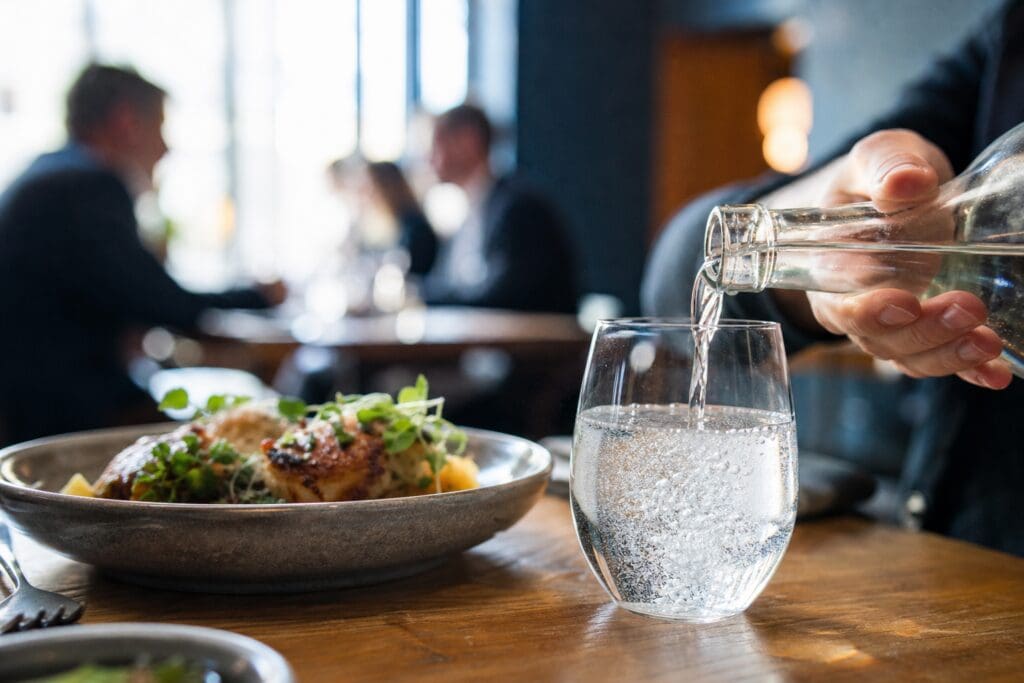
The bubbles also create a physical sensation. They tingle, lightly prickle and move across the tongue, gums and roof of the mouth. Taste is not only about flavour. It is also about texture, temperature and feeling. Sparkling water changes the whole mouthfeel of a meal, so even familiar food can seem different.
The science behind the sparkle
Sparkling water affects flavour through several overlapping senses. Your tongue detects sweet, salty, sour, bitter and savoury tastes. Your nose helps identify aromas. The nerves in your mouth sense temperature, pressure and irritation. Carbonation touches all of these areas at once.
Carbon dioxide and gentle acidity
When carbon dioxide dissolves in water, it reacts with water to form carbonic acid. This acid is mild, but it is enough to give sparkling water its crisp edge. Sourness can make the mouth feel more awake, in the same way that a squeeze of lemon can make a dish seem fresher.
This does not mean sparkling water tastes like lemon or vinegar. Its acidity is much softer. However, that small shift can affect how you perceive food. Creamy dishes may feel less cloying. Sweet foods may taste a little less flat. Delicate flavours may appear cleaner because the palate has been refreshed.
The effect is personal. Some people are more sensitive to acidity than others. If you already find sparkling water sharp, you may notice its impact on food more strongly.
Bubbles and the trigeminal nerve
The fizz in sparkling water is not just tasted; it is felt. The tingling sensation comes partly from the trigeminal nerve, which responds to physical and chemical sensations in the mouth and face. It is the same broad sensory system involved when you feel the warmth of chilli or the coolness of mint.
Carbonation gives a tiny prickling effect. With food, this can create contrast. After a bite of buttery pastry, a sip of sparkling water may feel brisk and cleansing. After spicy food, it may feel more lively, sometimes pleasantly so and sometimes too sharp.
This helps explain why sparkling water can seem to “wake up” a meal. The bubbles add movement and sensation, not just flavour.
How sparkling water changes common foods
Sparkling water does not behave the same way with every dish. Its effect depends on fat, salt, sweetness, spice, acidity and texture. A quiet vegetable soup and a salty pizza will not respond to bubbles in the same way.
Foods that often pair well with sparkling water include:
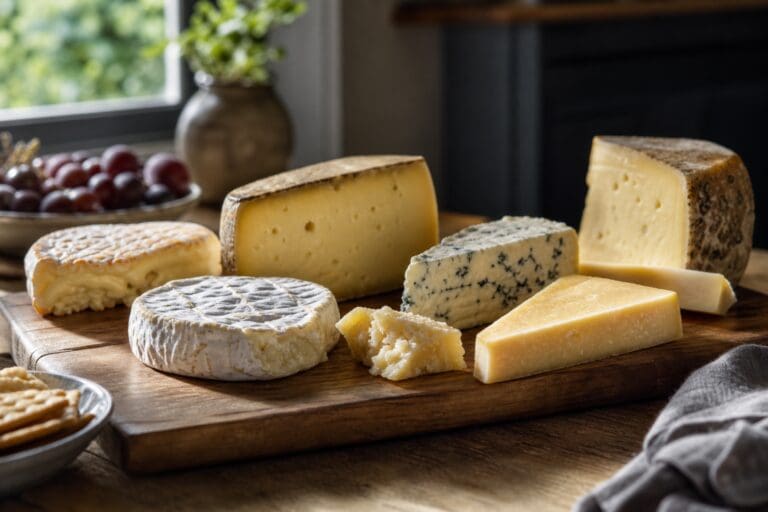
- Rich or fatty foods: cheese, creamy pasta, buttery sauces and fried dishes can feel lighter after a sparkling sip.
- Salty snacks and meals: olives, crisps, cured meats and savoury pastries may taste more pronounced because fizz heightens contrast.
- Fresh ingredients: cucumber, herbs, citrus, tomatoes and green salads can seem crisper and brighter.
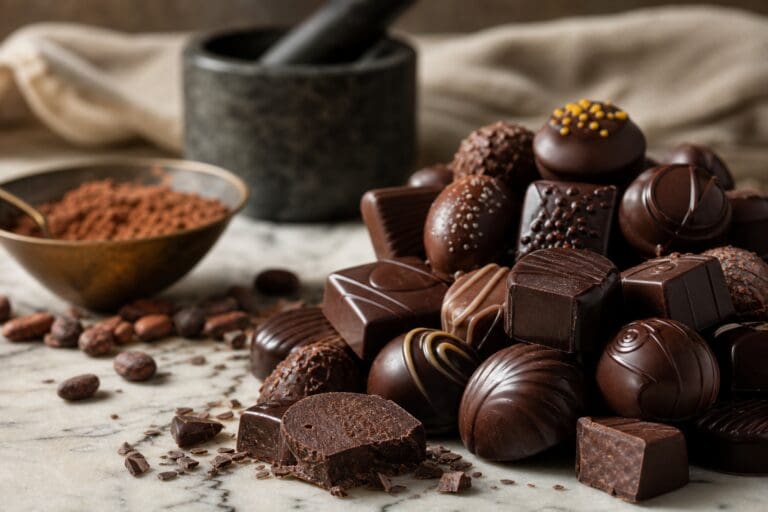
- Sweet foods: cakes, fruit tarts and chocolate may feel less heavy, although bitterness can become more noticeable in dark chocolate.
- Mild seafood: prawns, white fish and smoked salmon can work well, especially with plain sparkling water rather than flavoured versions.
However, sparkling water can also make some meals taste less balanced. Very bitter greens, highly acidic dressings or strongly tannic foods may seem sharper than intended. If a dish already has plenty of sourness, the added edge of carbonation can be too much.
Flavoured sparkling waters add another layer. Lemon, lime, berry or botanical flavours can change a meal more obviously than plain sparkling water. Even if they contain no sugar, their aroma can steer how you experience the food. A lemon-scented drink may flatter fish but distract from a delicate vanilla dessert.
The palate-cleansing effect
One of the main reasons sparkling water changes the taste of a meal is that it acts as a palate cleanser. Between bites, it helps wash away oils, salt, crumbs and lingering aromas. Still water does this too, but carbonation adds extra lift and movement.
After a mouthful of rich food, fat can coat the tongue. This coating may dull the next bite. Sparkling water can help break up that sensation, making the following mouthful taste more distinct. The bubbles do not scrub the tongue in a dramatic way, but they do create a feeling of freshness.
This is why sparkling water is often enjoyed with multi-course meals or heavier dishes. It can make each bite feel more separate from the last. A creamy sauce may taste enjoyable rather than overwhelming. A crisp salad after something fried may taste even fresher.
A palate cleanser does not need to have a strong flavour. In fact, plain sparkling water can be useful because it refreshes without adding sweetness, alcohol or a dominant aroma.
Temperature, glassware and serving style
The way sparkling water is served also affects how it changes a meal. Cold sparkling water usually feels crisper and more refreshing than room-temperature sparkling water. Chilling helps the carbon dioxide stay dissolved for longer, so the drink may seem fizzier and sharper.
Glassware matters less than temperature, but it can still influence aroma and sensation. A narrow glass may keep bubbles lively for a little longer, while a wide glass may allow fizz to fade more quickly. Once the bubbles disappear, the water may taste flatter and less refreshing.
The size of each sip also makes a difference. Small sips between bites tend to reset the palate gently. Large gulps can dominate the mouth and make delicate foods seem less noticeable for a moment.
There is also a timing effect. If you sip sparkling water immediately before tasting a subtle dish, the bubbles and acidity may take centre stage. If you wait a few seconds, the freshness remains but the fizz feels less intrusive.
Minerals and flavour differences between waters
Not all sparkling waters taste the same. Some are naturally sparkling mineral waters, while others are still waters that have been carbonated. Mineral content can affect flavour, even when the label simply says sparkling water.
Minerals such as calcium, magnesium, sodium and bicarbonate can influence whether the water tastes soft, chalky, salty, clean or slightly bitter. These impressions are usually mild, but they can matter with food. A mineral-heavy sparkling water may stand up well to bold flavours, while a lighter one may suit more delicate meals.
Some sparkling waters also contain added salts or flavourings. These can make the drink more noticeable at the table. A slightly salty sparkling water may enhance savoury foods, while a strongly flavoured one may compete with them.
For people who prefer a neutral pairing, plain sparkling water with a clean finish is often the safest choice. It gives the fizz and freshness without pushing the meal in a particular direction.
Why personal taste matters
Food and drink pairings are not fixed rules. Sparkling water may make one person’s meal more enjoyable and another person’s meal seem too sharp. Sensitivity to sourness, bitterness and carbonation varies from person to person.
Expectation also plays a role. If you associate sparkling water with restaurants, celebrations or freshness, you may experience it as making food feel more special. If you dislike the prickling sensation, the same bubbles may feel distracting.
Your eating habits matter too. Someone who often drinks fizzy drinks may find sparkling water gentle. Someone used only to still water may notice the acidity and fizz much more. Neither response is wrong. The change in taste is real because flavour is an experience created by both food and the person tasting it.
Frequently Asked Questions
Does sparkling water actually alter the flavour of food?
Sparkling water usually does not alter the food itself. It changes your mouthfeel, acidity and palate between bites, which can make flavours seem brighter, cleaner, sharper or more intense.
Why does sparkling water make rich food taste lighter?
The bubbles and mild acidity help refresh the mouth after fatty or creamy bites. This can reduce the feeling of heaviness and make the next mouthful taste clearer.
Can sparkling water make food taste bitter?
Yes, it can make bitterness more noticeable in some foods and drinks. Dark chocolate, bitter greens or strongly roasted flavours may seem sharper when paired with fizzy water.
Is still water better with delicate meals?
Still water can be better when a dish is very subtle or easily overwhelmed. Sparkling water adds sensation, so it may distract from gentle flavours if the fizz is strong.
Do flavoured sparkling waters affect meals more than plain ones?
Yes, flavoured sparkling waters can influence meals through aroma as well as fizz. Citrus, berry or botanical notes may complement some dishes but clash with others.