Belgian chocolate has a reputation that goes far beyond a sweet treat. For many UK consumers, the question is simple: What makes Belgian chocolate different from ordinary chocolate? The answer lies in a mix of ingredients, texture, technique, tradition and attention to detail. While “ordinary chocolate” can mean many things, Belgian chocolate is usually associated with a smoother mouthfeel, richer cocoa character and a long-standing culture of skilled chocolate making.
What makes Belgian chocolate different from ordinary chocolate? The short answer
Belgian chocolate is different because it is often made with a strong focus on fine texture, balanced flavour and careful craftsmanship. It is not defined only by where the cocoa beans are grown, because Belgium does not grow cocoa on a commercial scale. Instead, its identity comes from how chocolate is processed, blended, refined and finished.
Belgian makers are known for producing chocolate with a very smooth texture. This is achieved by grinding and refining the cocoa, sugar and other ingredients until the particles are extremely fine. The result is chocolate that melts evenly on the tongue rather than feeling gritty or waxy.
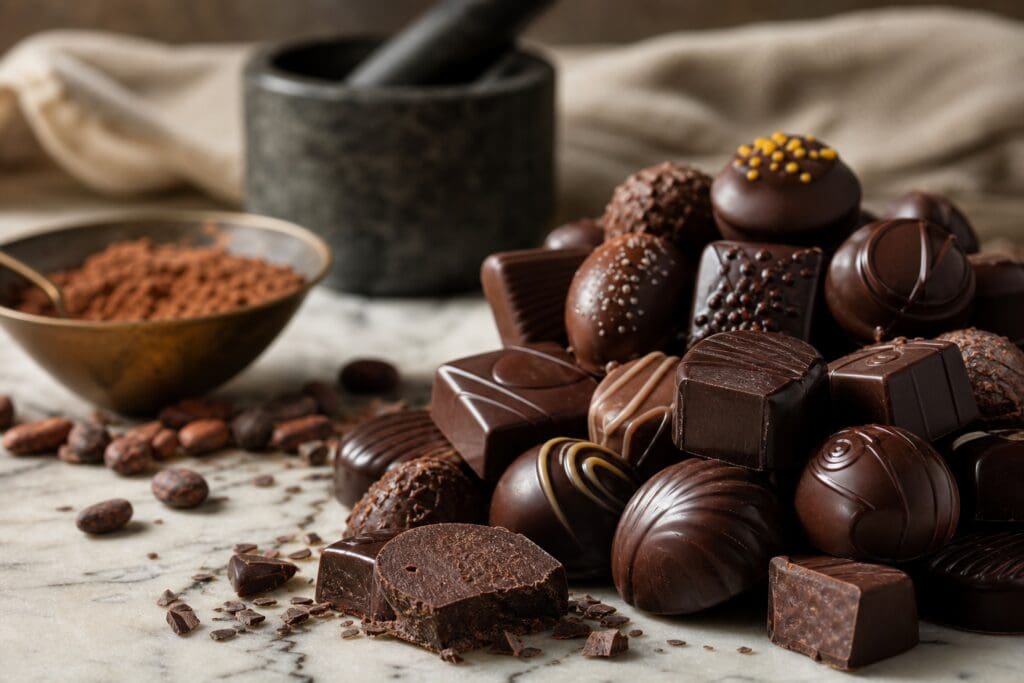
Another difference is tradition. Belgium has a long history of chocolatiers who specialise in pralines, filled chocolates, truffles and elegant boxed selections. These are not simply bars of chocolate; they are crafted pieces with shells, ganaches, caramels, nut pastes or creams. That culture shapes how Belgian chocolate is made and enjoyed.
The ingredients: cocoa, cocoa butter and careful balance
The quality of chocolate begins with its ingredients. Belgian chocolate is usually associated with a generous use of cocoa solids and cocoa butter, which give it depth, aroma and a pleasing melt. Ordinary chocolate, especially cheaper mass-market versions, may place more emphasis on sugar, fillers or vegetable fats, depending on the product.
This does not mean every Belgian chocolate is automatically superior, or that all non-Belgian chocolate is poor. There are excellent chocolate makers in many countries. The key difference is that Belgian chocolate has built its reputation on balance: sweetness, cocoa intensity, milkiness and texture are carefully managed.
Cocoa butter and the melting sensation
Cocoa butter is the natural fat found in cocoa beans. It is important because it melts close to body temperature, creating the smooth, luxurious sensation people associate with good chocolate. When a piece of Belgian chocolate melts cleanly and slowly in the mouth, cocoa butter is often part of the reason.
Some ordinary chocolate products may include other vegetable fats, depending on their recipe and legal labelling rules. These fats can change the texture, melting point and flavour. They may make the chocolate feel firmer, waxier or less creamy.
Belgian-style chocolate tends to value that clean melt. It should not simply taste sweet; it should unfold, with cocoa notes, dairy notes in milk chocolate, or nutty and fruity hints in darker varieties.
Sugar, milk and flavour balance
A common misunderstanding is that stronger chocolate always means better chocolate. In reality, balance matters. Belgian milk chocolate is often prized because it combines cocoa, milk and sugar without letting any one element dominate too harshly.
In dark Belgian chocolate, the aim is usually a clear cocoa flavour with enough sweetness to round off bitterness. In white chocolate, the focus is on cocoa butter, milk and vanilla-like sweetness, rather than cocoa solids.
The best examples feel considered rather than blunt. Ordinary chocolate can be enjoyable, but it may sometimes taste mainly of sugar, with cocoa playing a smaller role.
Texture and production: why smoothness matters
Texture is one of the clearest ways to notice the difference. Good Belgian chocolate is commonly associated with a fine, velvety texture. This comes from how the chocolate is refined and conched.
Refining reduces the size of the ingredient particles. If particles are too large, the tongue detects graininess. Conching is a mixing and aerating process that helps develop flavour and improve texture. Together, these processes make chocolate feel smoother and taste more rounded.
Refining and conching
During refining, cocoa mass, sugar and milk powder, where used, are ground until they become very fine. This is one reason premium chocolate feels different from cheaper products. The smoother the particles, the less roughness you feel.
Conching then helps remove unwanted sharpness and develop a more harmonious flavour. It can soften acidic notes, distribute cocoa butter evenly and create a more polished finish. Belgian chocolate makers have traditionally placed great importance on these stages.
The result is not simply “soft” chocolate. It is chocolate with structure, shine and a clean snap when properly tempered, followed by an even melt.
Couverture and the chocolatier’s craft
Many Belgian chocolatiers work with couverture chocolate. Couverture contains a higher proportion of cocoa butter than standard chocolate, making it especially suitable for coating, moulding and filling. It flows well when melted and sets with a glossy finish when tempered correctly.
This is vital for pralines and filled chocolates. A thin chocolate shell needs to be strong enough to hold a filling but delicate enough to crack pleasantly when bitten. That balance is part of the Belgian chocolate experience.
For consumers, couverture often means a more refined texture and a more elegant finish. It is one reason Belgian boxed chocolates can feel distinct from everyday confectionery.
Belgian tradition: pralines, truffles and filled chocolates
Belgium is strongly linked with pralines, meaning filled chocolates with a chocolate shell. In the UK, “praline” often suggests a nut-based filling, but in Belgium the word can refer more broadly to an individual filled chocolate.
This tradition is one of the biggest differences between Belgian chocolate and ordinary chocolate. Belgian chocolate is not only about the chocolate itself; it is also about what happens inside it. Fillings may include hazelnut paste, ganache, coffee cream, fruit jelly, caramel, liqueur-style flavours or spiced centres.
The craft involves contrast. A fine shell might hold a soft filling. A dark chocolate coating might balance a sweet caramel. A nut paste might bring roasted depth to milk chocolate. These small decisions affect the whole eating experience.
Presentation also matters. Belgian chocolates are often made as individual pieces, each with its own shape and decoration. The visual style is part of the pleasure, but it also signals the care taken in moulding, filling and finishing.
How Belgian chocolate compares with ordinary chocolate in everyday buying
“Ordinary chocolate” is not an official category. It can include supermarket bars, budget confectionery, baking chocolate or standard boxed sweets. Some are perfectly enjoyable, but they are often designed for price, consistency and broad appeal.
Belgian chocolate is more likely to be judged by smoothness, cocoa character and craftsmanship. It may cost more because of the ingredients used, the production process and the labour involved in filled chocolates.
When comparing products, these details are useful:
- Ingredient list: Look for cocoa mass, cocoa butter and clear flavour ingredients rather than a long list of unnecessary additions.
- Texture: Good chocolate should feel smooth, not grainy, greasy or waxy.
- Aroma: Quality chocolate often has a noticeable cocoa smell before you taste it.
- Finish: The flavour should linger pleasantly rather than disappear into pure sweetness.
- Purpose: A simple snack bar and a handmade praline are made for different eating moments.
Price alone does not prove quality. Packaging can also be misleading. The most reliable clues are the ingredient list, the texture and the balance of flavour.
Flavour: rich, rounded and less one-dimensional
Belgian chocolate is often described as rich, but richness does not mean heaviness. It means the flavour has layers. A milk chocolate might taste creamy, gently caramelised and cocoa-rich. A dark chocolate might bring roasted, fruity or slightly bitter notes. A filled chocolate might combine several flavours in one bite.
Ordinary chocolate can be more one-dimensional, especially if it is made mainly to be very sweet. That is not necessarily a flaw; many people enjoy familiar sweet chocolate. The difference is that Belgian chocolate usually aims for a more rounded experience.
Freshness can also affect flavour. Filled chocolates are more delicate than solid bars because their centres may contain cream, butter, nuts or fruit preparations. This is why many fine chocolates are best enjoyed within a shorter period than long-life confectionery.
Storage matters too. Chocolate should generally be kept cool, dry and away from strong smells. The fridge is not always ideal because moisture can affect the surface and texture. A stable cupboard away from heat is often better.
Frequently Asked Questions
Is Belgian chocolate always made from Belgian cocoa beans?
No. Cocoa beans grow in tropical regions, not in Belgium’s climate. Belgian chocolate is defined more by processing, recipe development and chocolatier skill than by locally grown cocoa.
Is Belgian chocolate better than Swiss chocolate?
Both can be excellent, but they have different traditions and styles. Belgian chocolate is especially known for pralines and filled chocolates, while Swiss chocolate is strongly linked with creamy milk chocolate.
Why does Belgian chocolate taste smoother?
Belgian chocolate often feels smoother because of careful refining, conching and the use of cocoa butter. These processes reduce graininess and help the chocolate melt cleanly in the mouth.
Does Belgian chocolate contain less sugar than ordinary chocolate?
Not necessarily. Sugar levels vary by recipe, brand and chocolate type. The main difference is often balance, where cocoa flavour, sweetness, milk and texture are designed to work together.
Can supermarket Belgian chocolate still be good quality?
Yes, it can be good, but quality varies between products. Check the ingredient list, cocoa content, texture and flavour rather than relying only on the word “Belgian” on the packaging.