
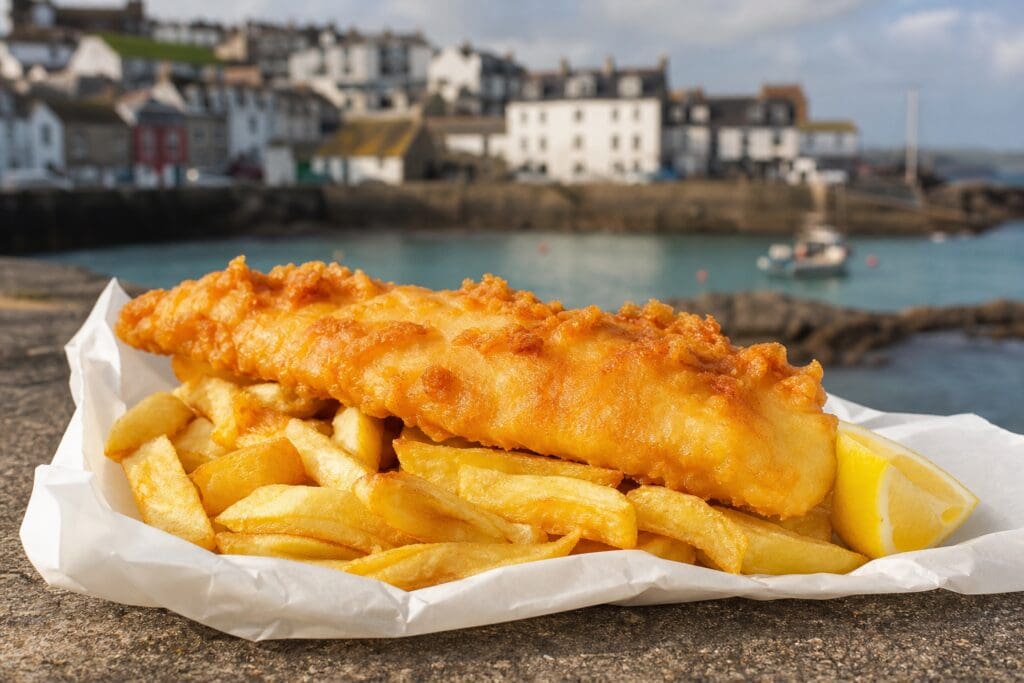
Fish and chips: how did this British classic become famous? It is a simple question with a rich answer. This much-loved meal grew from immigrant food traditions, industrial change, seaside holidays, working-class hunger and a national taste for comfort. Today, the smell of hot chips and crisp battered fish still feels familiar across the UK, whether wrapped for a walk along the promenade or served on a plate with mushy peas.
Fish and chips: how did this British classic become famous?
The story begins with two foods that came together at the right moment. Fried fish had roots in Jewish cooking, particularly among Sephardic Jewish communities who brought the practice of frying fish in oil to Britain. Chips, meanwhile, became popular as potatoes spread through British diets and street sellers looked for filling, affordable food.
By the nineteenth century, Britain was changing quickly. Towns and cities expanded as factories, mills and docks drew people into industrial work. Many families needed hot, cheap meals that did not take long to buy or eat. Fish and chips suited this new rhythm perfectly. It was filling, tasty and portable.
Railways also mattered. They helped move fresh fish from coastal ports to inland towns more quickly than before. At the same time, trawling developed, making white fish such as cod and haddock more available. Potatoes were inexpensive and could be cut, fried and served in generous portions.
Fish and chips became associated with everyday life, not fine dining. It belonged to workers finishing a long shift, families stretching a weekly budget and children eating with salty fingers. Its success came from being practical as well as delicious.
From separate foods to one national dish
The exact first fish and chip shop is debated, and different places have claimed a role in the meal’s early history. What is clear is that by the late nineteenth century, shops selling fried fish and chips were appearing in urban communities across Britain.
Why fried fish appealed
Fried fish was ideal for a busy population. The batter protected the fish, keeping it moist inside while crisping on the outside. It also gave the meal a satisfying texture and helped make a modest portion feel more substantial.
Cod and haddock became favourites because they have mild, flaky flesh. They take well to batter and pair easily with salt, vinegar and peas. The flavour is comforting rather than complicated, which helped the dish win fans across regions and age groups.
Why chips completed the meal
Chips brought warmth, bulk and value. Potatoes were already important in British cooking, but frying them made them especially appealing. A portion of chips could feed a hungry customer cheaply, and when paired with fish, it created a balanced sense of treat and necessity.
The combination also worked because it was easy to serve. Shops could fry continuously, wrap portions and send customers away with a hot meal in minutes. Long before modern takeaway culture, the fish and chip shop offered speed, convenience and pleasure.
The role of working Britain
Fish and chips rose with the communities that needed it most. Industrial Britain was hard-working and often physically demanding. People employed in mines, factories, shipyards and textile mills needed meals that were affordable and sustaining.
For many households, cooking at home could be difficult. Housing was often cramped, and fuel could be expensive. A fish supper from the local chippy offered a welcome break from domestic labour. It was also a small luxury that did not feel out of reach.
The chippy became part of neighbourhood life. It was a place of warmth, noise and routine. Customers waited in queues, chatted with neighbours and carried parcels home through dark streets. The meal was not only food; it was a shared habit.
Several qualities helped fish and chips become widely loved:
- Affordability: it could feed individuals and families without the cost of a restaurant meal.
- Availability: shops opened in towns, cities and coastal resorts, making the dish easy to find.
- Comfort: hot chips, crisp batter and vinegar created a familiar, satisfying flavour.
- Portability: it could be eaten at home, on a bench, by the sea or after work.
- Simplicity: the dish needed little explanation and suited many tastes.
Its fame was built from repetition. Week after week, families returned. Children grew up with it. Visitors tried it. Over time, fish and chips became woven into British memory.
Seaside holidays and the taste of tradition
If industrial towns helped fish and chips grow, the seaside helped make it famous. From the nineteenth century onwards, rail travel opened coastal resorts to more visitors. Places such as Blackpool, Brighton, Scarborough and Margate became linked with day trips, piers, beaches and simple pleasures.
Fish and chips fitted this world beautifully. Eating from paper near the sea felt relaxed and cheerful. The salty air made vinegar seem sharper, the chips hotter and the fish fresher. For many people, the meal became part of the holiday itself.
This link with the coast gave fish and chips a romantic place in British culture. It was no longer only a practical supper for workers. It was also a treat connected with freedom, fresh air and family outings.
Even inland, the seaside image stayed powerful. A local chippy could bring a little of that holiday feeling to a Friday night. The meal carried memories as much as flavour.
Wartime, resilience and national identity
Fish and chips gained another layer of meaning during the world wars. The dish is often remembered as a food that helped maintain morale, because it remained closely associated with ordinary life at a time of hardship. While food supplies were strained and daily routines disrupted, familiar meals mattered.
It is important not to overstate the story. Availability could vary, and wartime conditions affected everyone. Still, the cultural place of fish and chips strengthened because it represented continuity. A hot portion from the chippy offered comfort when many other parts of life felt uncertain.
This is one reason the dish became more than a menu item. It stood for steadiness, modest pleasure and shared experience. People did not need to be wealthy to enjoy it. They did not need special equipment or formal manners. Fish and chips belonged to the street, the home, the seaside and the queue outside the shop.
That democratic quality helped turn it into a national symbol.
What makes proper British fish and chips?
There is no single version that everyone agrees on, and regional preferences matter. Some people want cod, others prefer haddock. Some insist on mushy peas, while others choose curry sauce, gravy, pickled onions or a buttered bread roll. In parts of the UK, scraps or batter bits are a treasured extra.
Still, a classic portion usually depends on a few essentials:
- Fresh white fish: commonly cod or haddock, with firm flakes and a clean taste.
- Crisp batter: light enough to crack, but sturdy enough to hold the fish.
- Thick-cut chips: soft inside, golden outside and properly seasoned.
- Salt and vinegar: the sharp, savoury finish many people expect.
- A hot serve: fish and chips are best when freshly cooked and steaming.
The balance is important. The fish should not be greasy, the chips should not be pale or hard, and the vinegar should lift the flavour rather than drown it. At its best, the dish is straightforward but carefully made.
Fish and chips today
Modern fish and chips has had to adapt. Customers are more aware of sustainability, cooking oils, portion sizes and dietary needs. Many shops now think carefully about responsible sourcing, while some offer grilled fish, gluten-free batter or plant-based alternatives.
Yet the heart of the meal has stayed recognisable. It remains a Friday-night favourite, a seaside ritual and a comforting takeaway after a long day. It is also one of the first dishes visitors often associate with Britain, alongside tea, roast dinners and full English breakfasts.
Its fame has lasted because it is both ordinary and special. Fish and chips can be eaten casually, but it still feels like a treat. It belongs to local streets as much as postcards and guidebooks. That rare mix keeps it alive.
Frequently Asked Questions
Who invented fish and chips?
There is no single agreed inventor of fish and chips. Fried fish and fried potatoes had separate histories before becoming one meal in Britain. Jewish food traditions influenced fried fish, while chips grew from the wider popularity of potatoes. The combined dish became common through nineteenth-century shops and working communities.
Why is fish and chips so popular in the UK?
Fish and chips became popular because it was affordable, filling, tasty and easy to buy. It suited industrial workers, busy families and seaside visitors. Over time, repeated habits turned it into a tradition, while its comforting flavour helped it remain loved across generations.
What fish is usually used for fish and chips?
Cod and haddock are the most common choices in many British fish and chip shops. Both have mild, flaky white flesh that works well with batter. Preferences vary by region and availability, and some shops also serve other white fish.
Why do people put vinegar on chips?
Vinegar adds sharpness that cuts through the richness of fried food. It brightens the flavour of both chips and batter, especially when combined with salt. The habit is also cultural, passed down through families and local chippy traditions.
Is fish and chips still a British classic?
Yes, fish and chips is still widely seen as a British classic. It remains part of seaside trips, Friday suppers and local takeaway culture. Although tastes and menus have changed, the basic appeal of hot chips and crisp battered fish endures.