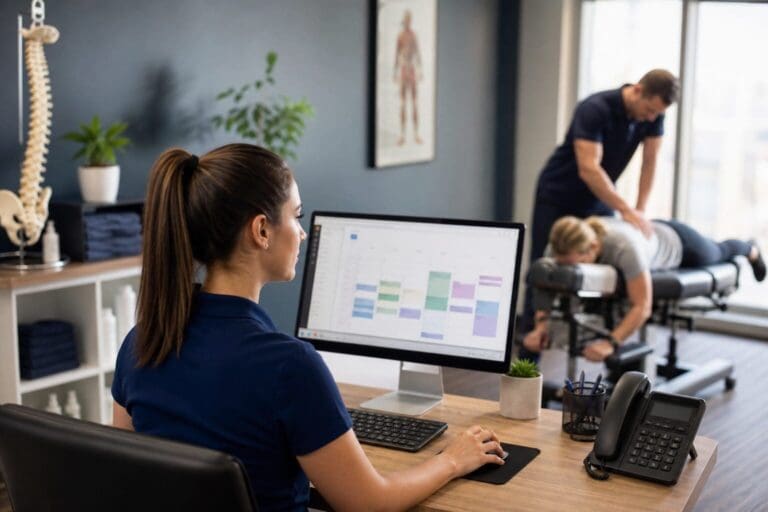

Running a massage therapy practice is rewarding, but it is rarely just about treatment time. Bookings, client records, intake forms, invoices, reminders and follow-up all need attention. When these tasks sit in different places, small delays can build up quickly. Software for massage therapy can simplify daily work by bringing key admin jobs into one organised system, so therapists spend less time switching between tools and more time focusing on clients.
Why massage practice admin can become difficult
A massage therapist may see several clients in one day, each with different needs, treatment histories and appointment preferences. Without a central system, information can become scattered across a paper diary, email inbox, payment notes and separate forms. That makes it harder to keep a clear view of the day.
Common pressure points include:
- Double-checking appointment times across different calendars
- Searching for previous treatment notes before a session
- Asking clients to complete paper intake or consent forms
- Sending reminders manually to reduce missed appointments
- Tracking invoices, balances, packages and memberships
- Managing several treatment rooms or therapists in one diary
None of these tasks is unusual on its own. The problem is that they compete for attention between appointments, often when the therapist is preparing a room, welcoming a client or writing notes after treatment. A well-organised software system can reduce this friction by keeping the essential information together.
What software for massage therapy brings together
Good practice software is useful because it connects everyday tasks that would otherwise be managed separately. Instead of using one tool for booking, another for forms and another for billing, therapists can work from a single platform.
Ruana, for example, combines online booking, scheduling, digital SOAP notes, intake forms, reminders and billing in one place. It is designed for both solo massage therapists and practices with multiple therapists, so the same system can support a small room-based business or a team setting.
Easier appointment booking and scheduling
Online booking helps clients arrange appointments without a long exchange of messages. For the therapist, this can reduce the time spent offering available times, confirming sessions and updating a diary by hand.
Automatic email and SMS reminders also support a smoother schedule. They help clients remember upcoming appointments and reduce the need for manual reminder messages. For a practice with several clients booked throughout the day, this can make the diary easier to manage.
Scheduling tools are especially helpful when a practice needs to coordinate therapists, rooms and treatment types. A clear view of bookings can prevent confusion and help the day run with fewer interruptions.
Digital forms and treatment notes
Massage therapists often need accurate client information before treatment begins. Intake forms and consent forms help gather relevant details, while treatment notes create a record of what happened during a session.
Digital forms can make this process more organised. Instead of storing paper forms in folders, therapists can keep information in a client record. Ruana allows practices to use customisable intake and consent forms, so the questions can fit the way the practice works.
SOAP notes are another important part of clinical record keeping. Ruana lets massage therapists create their own SOAP note templates and store treatment records digitally. This can help keep notes consistent, easier to review and less likely to be misplaced.
How better organisation improves the client experience
Clients may not see every admin task happening behind the scenes, but they often feel the effect. A well-run practice can feel calmer, clearer and more professional from the first booking to the final invoice.
When appointment details are easy to confirm, clients are less likely to feel uncertain about times or arrangements. When intake forms are organised, the therapist can spend more of the appointment focusing on treatment rather than basic paperwork. When treatment notes are easy to access, follow-up sessions can feel more joined up.
In the middle of a busy week, software for massage therapy can also help therapists stay prepared. A practitioner can check the day’s schedule, review client information and understand balances or packages without opening several different systems. This supports a better rhythm between sessions.
For clients, that may mean:
- Clearer appointment communication
- Less repeated form filling
- More consistent treatment records
- Faster handling of invoices or balances
- A smoother experience when seeing the same practice again
The aim is not to make the practice feel less personal. In fact, good admin can protect the personal side of massage therapy by reducing distractions.
Billing, balances and practice visibility
Massage therapy practices often need to manage more than single-session payments. Some clients may use packages, memberships or have balances that need to be tracked over time. If these details are stored separately, it can be easy to lose clarity.
Ruana includes tools for managing client balances, invoices, packages and memberships. Having these features within the same platform as bookings and client records can make financial admin easier to follow. It can also reduce the need to repeat information across different systems.
Reporting features add another layer of visibility. A therapist or practice owner can review information about appointments, revenue and therapist activity. This is useful for understanding how the practice is running day to day, without relying only on memory or separate spreadsheets.
For multi-therapist practices, reporting and scheduling can also support better coordination. Practice managers can see therapist activity and room use more clearly, which helps with planning and reduces confusion.
Cloud access, security and support when changing systems
Cloud-based software can be useful for massage therapists who do not want to be tied to one specific computer. Ruana is cloud-based, which means practitioners can access their schedule and client information without installing software on a single machine.
Security is also important when client records and treatment information are stored digitally. Ruana was developed with healthcare practices in mind and includes encrypted data storage and role-based access controls. Role-based access means different users can be given access that matches their responsibilities, which is especially helpful in a practice with more than one therapist or team member.
Changing systems can feel like a large task, particularly if a practice already has client information stored elsewhere. Ruana provides onboarding support and assistance with transferring available client information from another system. This can make the move more manageable and help the practice settle into a new workflow.
Choosing software that fits the way a practice works
The best system is one that supports the real habits of the practice. A solo massage therapist may need simple scheduling, client records and billing. A larger clinic may need therapist management, treatment room organisation and clearer reporting.
Before relying on any platform, it is sensible to consider practical questions:
- Can clients book appointments online?
- Are reminders sent automatically by email or SMS?
- Can the practice create suitable SOAP note templates?
- Are intake and consent forms customisable?
- Does the system handle balances, invoices, packages and memberships?
- Can more than one therapist or room be managed clearly?
- Are security features suitable for sensitive client information?
A trial period can be useful because it lets therapists test how the system fits their existing workflow before committing to a plan. Ruana offers a 14-day trial without requiring a credit card, which gives practices time to explore the available features in context.
Spend less time on practice administration
Managing bookings, client notes and billing separately can quickly take up valuable time between appointments. Ruana brings these tasks together in one platform designed for massage therapists. Online booking, digital SOAP notes, intake forms and automated reminders help create a more organized daily workflow. At getruana.com, massage therapists can explore the available features and start a 14-day trial without providing credit card details.
Frequently Asked Questions
How does massage therapy software help with bookings?
It lets clients book online and helps therapists keep appointments in one place. Automatic email and SMS reminders can also support a more organised schedule.
Can software replace paper intake forms?
Yes, many systems can store intake and consent forms digitally. This makes client information easier to manage, review and keep with the correct record.
Are digital SOAP notes useful for massage therapists?
Digital SOAP notes can help therapists keep treatment records consistent and accessible. Custom templates also allow notes to match the way a practice documents care.
Is practice software only for larger massage clinics?
No. Software can support solo massage therapists as well as practices with several therapists, especially when bookings, notes and billing need better organisation.
What should a therapist check before choosing a system?
A therapist should check booking tools, reminders, forms, notes, billing, reporting, access controls and whether the system fits the practice’s normal workflow.