
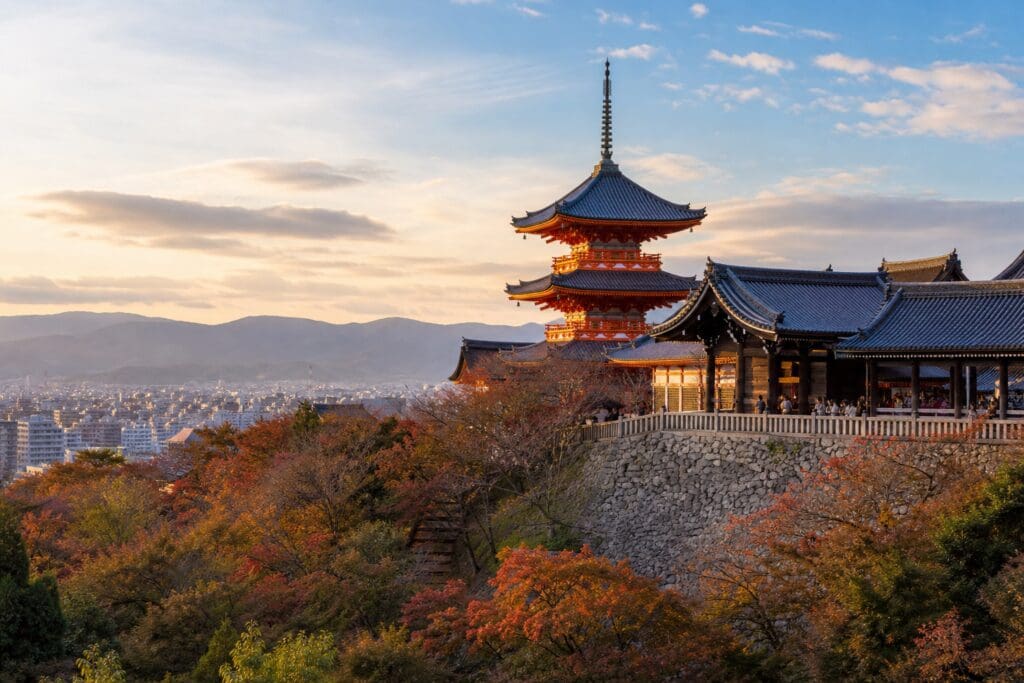
Exploring the ancient temples of Kyoto is one of Japan’s most memorable cultural experiences. The city’s temple districts bring together wooden halls, mossy gardens, stone paths, painted screens and quiet courtyards shaped by centuries of faith and artistry. For UK travellers, Kyoto can feel both deeply peaceful and surprisingly easy to enjoy, provided you understand the rhythm of temple visits and the etiquette that keeps these sacred places respectful.
Exploring the ancient temples of Kyoto: what makes them special
Kyoto was Japan’s imperial capital for more than a thousand years, and its temples reflect layers of Buddhist belief, courtly taste, craftsmanship and landscape design. Some temples are famous for grand gates and pagodas; others are valued for a single garden, a painted ceiling, or a view across the surrounding hills.
What makes Kyoto distinctive is the closeness between temples and daily life. A narrow shopping street may lead to a centuries-old gate. A busy bus stop may sit a short walk from a raked gravel garden. Even well-known temples often contain quiet corners where the scent of incense, the sound of a bell, or the pattern of light on tatami mats becomes the main memory.
Many temple buildings have been repaired, moved or rebuilt over time, often because of fire, conflict or natural wear. This does not reduce their value. In Japanese heritage, continuity of design, ritual and craft can be just as important as the age of the physical timber.
Temples to know before you go
Kyoto has far more temples than most visitors can see in one trip. A good approach is to choose a few contrasting places rather than rush from site to site. This gives each temple enough space in the day to be understood properly.
Kiyomizu-dera, in eastern Kyoto, is known for its large wooden stage and hillside setting. The approach through lanes lined with traditional shops can be busy, but the temple’s position gives wide views over the city. It is especially atmospheric in spring and autumn, though those seasons also bring the largest crowds.
Kinkaku-ji, often called the Golden Pavilion, is one of Kyoto’s most recognisable sights. Its shining upper floors reflect in a pond, creating a composed scene that feels almost theatrical. The visitor route is straightforward, so it can become crowded, but the image remains striking.
Ginkaku-ji, the Silver Pavilion, offers a subtler experience. Despite its name, it is not covered in silver. Its gardens, moss, sand formations and wooded paths create a reflective mood. Many travellers find it more understated and personal than its golden counterpart.
Ryoan-ji is famous for its Zen rock garden. The arrangement of stones and raked gravel invites slow looking rather than quick photography. It is a place where silence matters, especially when the veranda is not too busy.
Nanzen-ji, near the Philosopher’s Path, combines large temple buildings with spacious grounds. Its impressive gate, sub-temples and brick aqueduct make it rewarding for travellers who enjoy architecture as well as gardens.
Planning a calm and respectful temple day
Temple visits are usually more enjoyable when planned by area. Eastern Kyoto, northern Kyoto and the Arashiyama district each offer enough to fill several hours. Trying to cross the city repeatedly can turn a peaceful day into a transport puzzle.
A simple plan might pair one famous temple with one quieter site nearby. For example, the Higashiyama area can combine Kiyomizu-dera with smaller temples and preserved lanes. Northern Kyoto can pair Kinkaku-ji with Ryoan-ji, while the area around Nanzen-ji works well with the Philosopher’s Path.
Keep these practical points in mind:
- Wear comfortable shoes, as temple visits often involve steps, gravel paths and long walks between sites.
- Carry a small amount of cash, since some temple admissions and small shops may not rely on cards.
- Check whether shoes must be removed before entering halls, and wear socks you are comfortable being seen in.
- Keep your voice low in prayer areas, gardens and wooden halls where sound carries easily.
- Avoid touching painted screens, statues, railings, moss and garden stones, even when there is no barrier.
Photography rules vary. Some temple grounds allow outdoor photographs but forbid pictures inside halls. Signs are usually clear, and staff guidance should be followed without debate. Tripods and drones are generally unsuitable in sacred and crowded spaces.
Seasons, gardens and atmosphere
Kyoto’s temples change dramatically with the seasons. Spring brings cherry blossom, although the exact timing varies each year. Autumn is famous for maple leaves, turning temple gardens into shades of red, orange and gold. These are beautiful times to visit, but they are also among the busiest.
Summer can be hot and humid, yet early mornings may feel lush and vivid, especially in moss gardens. Winter is quieter, and a light covering of snow can transform wooden gates and tiled roofs. The colder months can be particularly rewarding for visitors who prefer space and stillness.
Gardens are central to many temple experiences. Some are designed for walking, with ponds, bridges and borrowed views of the hills. Others are intended to be viewed from a seated position, where the arrangement of gravel, stones and planting encourages contemplation. Understanding this difference helps visitors slow down and appreciate why a garden may appear simple at first glance.
Food and drink should be treated thoughtfully. It is better to eat outside temple grounds unless a designated area or teahouse is provided. Many temple districts have small cafés, sweet shops and noodle restaurants nearby, so there is rarely a need to snack in sacred spaces.
Understanding etiquette without feeling anxious
Temple etiquette in Kyoto is mostly based on awareness and courtesy. Visitors are not expected to know every ritual, but they are expected to behave considerately. If people are praying, give them room. If a hall feels quiet, match that quietness. If a sign asks visitors not to enter, do not step beyond it for a better photograph.
At some temples, you may see people bowing, offering coins, lighting incense or joining their hands briefly. You do not need to copy every action, especially if you are unsure of its meaning. Observing respectfully is acceptable. If you do take part, do so gently and without turning the moment into a performance.
The best temple visits often happen when expectations are modest. Rather than chasing a checklist of famous views, notice small details: the joinery of a gate, the curve of a roof, a basin of clear water, or the careful sweep of a gravel path.
Frequently Asked Questions
What is the best time of day to visit Kyoto’s temples?
Early morning is often the calmest time, especially at famous temples. Light is softer, streets are quieter, and popular viewpoints are usually less crowded than later in the day.
How many temples can I realistically visit in one day?
Three to four temples in one area is usually a comfortable number. This allows time for walking, resting, reading signs and appreciating gardens without feeling rushed or tired.
Do I need to pay to enter every temple?
Not always. Some temple grounds are free to enter, while specific halls, gardens or famous areas may require an admission fee. It is sensible to carry cash.
Are Kyoto’s temples suitable for children?
Yes, many are suitable, particularly those with open grounds, ponds or short walking routes. Children should still be guided to speak quietly and avoid touching fragile features.
Is there a dress code for visiting temples in Kyoto?
There is usually no strict dress code, but modest, comfortable clothing is appropriate. Shoes that are easy to remove are helpful when entering certain halls or interior spaces.