Sardinia is a dream for beach lovers, with clear water, pale sand, granite rocks and quiet coves shaped by the Mediterranean. For UK travellers planning a coastal escape, knowing The most beautiful beaches to visit in Sardinia helps turn a good holiday into a memorable one. From family-friendly bays to wild stretches backed by dunes, the island offers a beach for almost every mood.
The most beautiful beaches to visit in Sardinia: where to begin
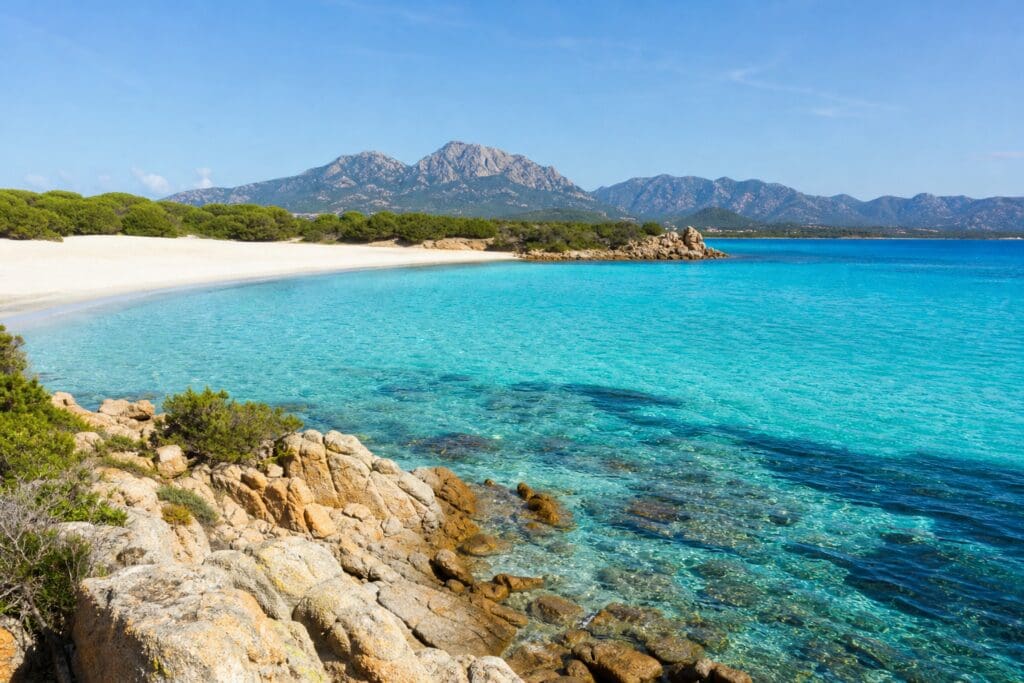
Sardinia’s coastline is wonderfully varied. The north is known for bright turquoise bays and polished granite, while the east has dramatic cliffs and boat-access coves. In the south, you will find broad sandy beaches and easy-going resort areas. The west feels wilder, with open seas, dunes and fewer crowds outside peak summer.
When choosing a beach, think about more than just looks. Some of Sardinia’s most famous spots are protected, remote or very busy in high season. Others are easier for families, with nearby parking, cafés and shallow water.
Useful things to consider include:
- Access: some beaches require a walk, a boat trip or advance booking in summer.
- Facilities: not every beautiful bay has toilets, shade, food or sunbeds.
- Wind direction: the sea can feel very different depending on the day’s wind.
- Footwear: rocky paths and pebble coves are easier with sturdy sandals.
- Timing: early morning often brings calmer water and fewer visitors.
Northern Sardinia: bright water and iconic bays
Northern Sardinia has some of the island’s best-known coastal scenery. The sea often appears almost unreal, shifting between pale blue, green and deep sapphire. This part of the island suits travellers who want postcard views, lively towns nearby and plenty of beach variety.
La Pelosa, Stintino
La Pelosa is one of Sardinia’s most photographed beaches, and for good reason. Its shallow, glassy water and soft sand create a lagoon-like setting near Stintino. The view towards the small tower offshore gives the beach a distinctive character.
Because La Pelosa is so popular, it is not the place for solitude in peak summer. Access rules may apply during busy periods to protect the beach, so it is sensible to check local arrangements before visiting. Go early, travel light and expect a delicate coastal environment rather than a casual free-for-all.
Cala Brandinchi, near San Teodoro
Often nicknamed “Little Tahiti”, Cala Brandinchi is loved for its gentle shallows and luminous water. It is a strong choice for families because children can paddle safely when conditions are calm. The beach sits near San Teodoro, making it easier to combine with restaurants, accommodation and other nearby bays.
The sand is pale, the water is clear, and the atmosphere is relaxed outside the busiest weeks. In July and August, however, it can become crowded, so morning visits tend to feel more rewarding.
Eastern Sardinia: cliffs, caves and secluded coves
The east coast is ideal if you want drama as well as beauty. Here, limestone cliffs drop into intensely blue water, and some beaches are reached by boat or on foot. It is a brilliant area for travellers who enjoy a sense of discovery.
Cala Goloritzé, Gulf of Orosei
Cala Goloritzé is one of Sardinia’s most striking beaches. It is known for white pebbles, clear water and a limestone pinnacle rising above the cove. The beach is protected, and access is controlled to help preserve its fragile setting.
Reaching Cala Goloritzé takes effort. Many visitors arrive by hiking from the inland plateau, while boats can stop nearby without landing directly on the beach. This is part of its appeal: it feels special because it has not been overwhelmed by easy access.
Cala Luna, Gulf of Orosei
Cala Luna combines a sweeping beach with caves in the cliffs behind it. The setting feels cinematic, especially when the sun lights the rock and the water glows blue-green. It can be reached by boat from coastal towns such as Cala Gonone, or by a walking route for experienced hikers.
This beach suits travellers who want more than a simple sunbathing day. Bring water, protection from the sun and suitable shoes if walking. Facilities vary by season, so it is best to treat the trip as a semi-wild beach day.
Southern Sardinia: soft sand and easy beach days
Southern Sardinia is excellent for travellers who want beautiful beaches without always needing a boat or long hike. The area around Cagliari and the south coast offers inviting sand, clear water and a more straightforward holiday rhythm.
Chia
Chia is known for golden sand, dunes and clear sea. Several beaches sit close together, so it is easy to move if one feels too busy or windy. The landscape has a natural feel, with low hills, coastal vegetation and wide views.
Families, couples and relaxed sunseekers all tend to enjoy Chia. The water is usually inviting, though as anywhere in Sardinia, conditions change with the wind. It is also one of the best areas for long beach walks, especially outside the hottest part of the day.
Tuerredda
Tuerredda is a sheltered bay with soft sand and calm-looking water that often feels ideal for swimming. Its shape gives it a protected, intimate quality, and the colours can be spectacular on a clear day. It is one of the south’s standout beaches, so it attracts plenty of visitors in high season.
The appeal is obvious: easy beauty, clear water and a classic Mediterranean setting. To enjoy it at its best, avoid arriving late on a busy summer day, when parking and space can be limited.
Western Sardinia: wilder shores and natural beauty
The west coast has a different mood. It is less polished than some resort areas, with stronger waves in places and a more open, natural feel. For travellers who like space, sunsets and rugged scenery, it can be deeply rewarding.
Is Arutas, on the Sinis Peninsula, is famous for its unusual quartz grains, which look like tiny pale beads rather than ordinary sand. Visitors should leave the grains where they are, as this beach is a protected natural treasure. The sea is often beautifully clear, but it can be more exposed than sheltered eastern coves.
Further south, Piscinas offers a dramatic dune landscape and a sense of remoteness. It is not a typical resort beach, and that is exactly why many people love it. The scenery feels broad, quiet and elemental, with sand stretching into the distance.
When to visit Sardinia’s beaches
For most UK travellers, late spring and early autumn offer the best balance of warm weather, pleasant sea views and fewer crowds. May and June are good for walking, sightseeing and beach days, though the sea may still feel fresh. September is often a favourite month because the water has warmed through summer and the atmosphere is calmer.
July and August bring the liveliest beach scene, with hot days and busy resorts. This is the classic summer holiday season, but it also means higher demand for parking, accommodation and space on popular beaches. If travelling then, plan beach visits early in the day and keep a quieter alternative in mind.
Frequently Asked Questions
What is the prettiest beach in Sardinia?
There is no single answer, as Sardinia’s beaches suit different tastes. La Pelosa is famous for shallow turquoise water, while Cala Goloritzé offers a more dramatic natural setting. Many travellers also rate Tuerredda, Cala Brandinchi and Cala Luna among the island’s most beautiful coastal spots.
Which part of Sardinia has the best beaches?
The north-east and east coast are often praised for exceptionally clear water and striking scenery. However, southern Sardinia has easier sandy beaches, and the west coast offers wilder landscapes. The best area depends on whether you prefer convenience, scenery, seclusion or family-friendly swimming.
Are Sardinia’s beaches good for families?
Yes, many beaches in Sardinia are excellent for families, especially those with shallow water and nearby facilities. Cala Brandinchi, parts of Chia and several beaches near San Teodoro are popular choices. Always check sea conditions, shade options and access before settling in for the day.
Do I need a car to visit the best beaches in Sardinia?
A car is very useful if you want to explore several beaches independently. Public transport exists, but it may not reach remote coves or operate conveniently for beach-hopping. Some famous eastern beaches are best reached by boat, while others require walking routes or local transport.
Is Sardinia expensive for a beach holiday?
Sardinia can be expensive in July and August, especially in fashionable coastal areas. Costs are usually lower in May, June and September, with a wider choice of accommodation and a calmer atmosphere. Simple beach days can still be affordable if you bring essentials and choose less crowded areas.