
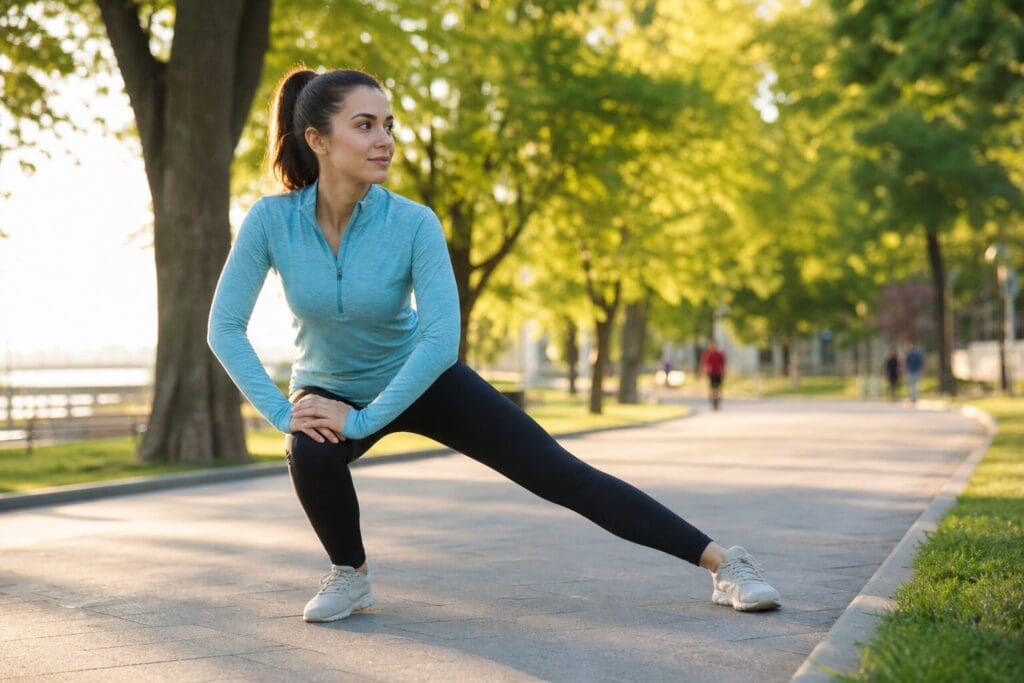
Fitting movement into everyday life can feel difficult when work, family, weather and energy levels all compete for attention. The good news is that exercise does not have to mean long gym sessions or a dramatic lifestyle overhaul. Learning how to make exercise a natural part of your daily routine is about making movement feel normal, useful and manageable, rather than another task on a busy list.
Why everyday movement matters
Exercise is often presented as something separate from ordinary life: a class, a run, a workout plan or a gym membership. Those can all be helpful, but they are not the only route to being active. Walking to the shop, stretching while the kettle boils, cycling to work, gardening or doing a short home workout all count as meaningful movement.
When activity becomes part of the day’s rhythm, it is easier to keep going. You rely less on motivation and more on habit. That matters because motivation naturally changes. Some mornings feel lively, while others feel flat. A routine gives you a steady framework, even when enthusiasm is low.
Regular movement can also support mood, mobility, sleep quality and general wellbeing. It is not about chasing perfection. It is about giving your body regular chances to move in ways that suit your life.
How to make exercise a natural part of your daily routine
The simplest way to build a lasting exercise habit is to make it convenient. If your plan depends on perfect weather, spare time and high energy, it will be hard to maintain. A better approach is to attach movement to things you already do.
Start smaller than feels necessary
Many people begin with ambitious plans, then feel disappointed when life gets in the way. Starting small is not a lack of commitment. It is a practical way to create consistency.
A ten-minute walk after lunch, five minutes of stretching before bed or a few bodyweight movements while dinner cooks can help establish the pattern. Once that pattern feels normal, you can add more time or variety.
Small sessions also reduce the pressure around exercise. You are not waiting for a full free hour. You are using the time that already exists.
Link movement to existing habits
Habit stacking is useful because it removes some decision-making. Instead of asking, “When will I exercise today?”, you connect exercise to something predictable.
For example:
- Walk for ten minutes after your morning coffee.
- Do gentle stretches after brushing your teeth.
- Take the stairs when travelling between floors.
- Stand up and move during television advert breaks or between episodes.
- Add a short walk to your lunch break, even if it is just around the block.
These links make exercise feel less like a separate event and more like part of the day’s structure.
Make your environment work for you
Your surroundings can either support movement or make it harder. A few simple changes can reduce friction and make activity more likely.
Keep comfortable trainers, a waterproof jacket or exercise clothes somewhere visible. If you work from home, leave a resistance band near your desk or keep a clear space for stretching. If you commute, consider whether part of the journey could be walked.
The aim is to remove small barriers. Searching for socks, charging headphones or deciding where to go can be enough to stop a tired person from moving. Preparing the environment makes exercise easier to begin.
It also helps to make inactive time less automatic. You might place your phone across the room, use a smaller water bottle so you stand up to refill it, or set a gentle reminder to move after long periods of sitting. These are not strict rules. They are prompts that nudge the body back into motion.
Choose exercise that suits your real life
The best exercise is not always the most intense or fashionable. It is the one you can repeat safely and reasonably often. Enjoyment matters, but so does practicality.
If you dislike running, you do not need to run. Brisk walking, swimming, dancing, yoga, cycling, Pilates, team sports and home workouts can all support an active routine. If your schedule changes often, short flexible sessions may suit you better than fixed classes. If you enjoy company, a walking group or casual sport may feel easier than exercising alone.
Energy levels also matter. Some days suit a longer workout. Other days call for gentle movement. Treating exercise as adaptable helps prevent an “all or nothing” mindset. A light session is not a failure; it keeps the habit alive.
Build consistency without being rigid
Consistency is more useful than intensity when building a routine. That does not mean exercising every day in the same way. It means returning to movement regularly, even after interruptions.
Life will disrupt your plans. Illness, caring responsibilities, deadlines and poor sleep can all affect activity. A flexible routine allows for this. You might have a normal version, a busy-day version and a low-energy version of your exercise plan.
For example, your normal version may be a 30-minute walk. Your busy-day version may be ten minutes. Your low-energy version may be gentle stretching. All three support the same identity: you are someone who makes space for movement.
Tracking can help, but it should not become a source of guilt. A simple tick on a calendar or note in your phone can show progress. If you miss a day, the routine is not ruined. It simply continues when life allows.
Frequently Asked Questions
How long does it take to make exercise feel like a habit?
There is no exact timeline because people, routines and lifestyles differ. Exercise often begins to feel more natural when it is repeated in the same context, such as after breakfast or during a lunch break. The key is not speed, but regular repetition with realistic expectations.
What is the easiest exercise to fit into a busy day?
Walking is often the easiest option because it needs little equipment and can fit around daily errands. Short walks before work, after meals or during breaks can make a real difference. Stairs, stretching and simple home exercises are also practical choices for busy schedules.
Do I need to exercise every day?
You do not need to do intense exercise every day. Rest and recovery are important, especially after harder sessions. However, gentle daily movement, such as walking, stretching or light household activity, can help keep the body mobile and support a more active routine overall.
How can I stay active when the weather is bad?
Poor weather can make outdoor exercise less appealing, especially in the UK. Indoor options include home workouts, yoga, dancing, stair climbing or walking in covered spaces such as shopping centres. Keeping waterproof layers ready can also make short outdoor walks more comfortable.
What should I do if I lose motivation?
Loss of motivation is normal and does not mean you have failed. Reduce the size of the task, choose easier movement and reconnect exercise with an existing habit. It can also help to focus on how movement makes daily life feel, rather than relying only on long-term goals.