As we look towards the future, it becomes increasingly important to identify the fitness trends 2025 that promise to revolutionise our approach to health and wellness. The evolution of workout innovations is set to transform traditional practices, paving the way for more inclusive, engaging, and effective fitness solutions. With a growing emphasis on holistic health and community support, the landscape of future fitness is not just about physical strength but also about nurturing mental resilience and connection. This overview will highlight key trends reshaping how we engage with fitness, enabling us to proactively enhance our lifestyles and well-being.
Introduction to Future Fitness Trends
The fitness industry evolution is witnessing significant transformations that will shape the 2025 fitness landscape. As society increasingly prioritises health and well-being, it becomes essential to understand the emerging future fitness trends. These trends reflect not only shifts in consumer preferences but also advancements in technology and holistic health philosophies.
In recent years, people have become more health-conscious, leading to a surge in demand for innovative fitness solutions. This growing health awareness influences everything from workout routines to nutrition choices. Factors such as busy lifestyles and the escalating influence of social media further fuel the evolution of fitness paradigms.
Technology plays a pivotal role in this evolution, introducing tools that enhance workout experiences and track personal progress. The integration of these tools into fitness routines signals a shift towards more personalised, data-driven health journeys. Understanding these future fitness trends is crucial for individuals aiming to enhance their wellness practices and navigate the dynamic landscape of health and fitness.
The Rise of Technology-Driven Workouts
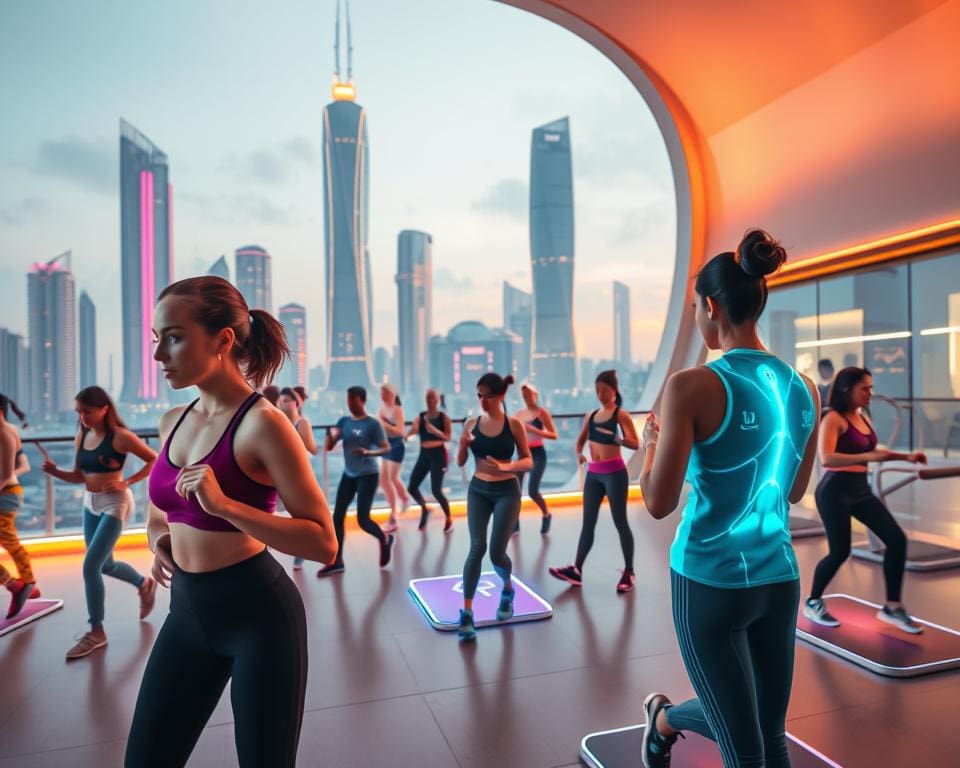
The integration of technology in fitness has transformed traditional workouts into dynamic experiences that engage users in unprecedented ways. As fitness enthusiasts seek new methods to enhance their routines, virtual reality fitness emerges as a captivating solution. This exciting trend encourages participation through immersive VR workouts, offering adventurous options that invigorate the mind and body.
Virtual Reality Fitness Experiences
Companies like Peloton and Supernatural are at the forefront, designing platforms that transport users to vibrant virtual environments. These experiences motivate individuals by providing variety and excitement, making training sessions more enjoyable. With the appeal of gaming combined with fitness, individuals of all ages find themselves increasingly drawn to virtual reality fitness, unlocking new levels of performance.
Wearable Tech Innovations
In parallel, wearable fitness technology, including smartwatches and health trackers from reputable brands such as Fitbit and Garmin, continues to revolutionise personal training. These gadgets monitor vital statistics like heart rate and calorie expenditure, supplying real-time data that promotes accountability. By utilising this information, users can tailor their workout plans, setting personalized health goals and striving towards achieving them with enhanced precision. This data-driven approach fosters a sense of accomplishment and encourages sustainable fitness habits.
What are the top fitness trends for 2025?
The landscape of fitness continues to evolve, highlighting an integrative approach to health and wellness. As society becomes more aware of the connections between physical activity and overall wellbeing, holistic fitness is rising in popularity. This shift encourages a comprehensive understanding of health, where mental, emotional, and nutritional facets play crucial roles in fitness regimens.
Holistic Health and Wellness Integration
Current wellness trends emphasise the importance of integrating various health practices into fitness routines. Activities like yoga and meditation are not only about physical strength but also about nurturing mental clarity and emotional stability. Incorporating nutritional coaching into workout plans reflects a growing recognition of integrative health, promoting a lifestyle that supports both body and mind.
Sustainability in Fitness Equipment
In recent times, the demand for sustainable fitness practices has surged, with consumers actively seeking eco-friendly equipment. Brands like Manduka are leading the charge, offering mats crafted from natural materials, while Peloton focuses on ethical manufacturing processes. As more individuals embrace green gym practices, the fitness industry adapts, prioritising environmental responsibility in product offerings.
Community Engagement in Fitness
As fitness enthusiasts increasingly recognise the power of social connections, the fitness community has witnessed a transformation. Community engagement plays a pivotal role in motivating individuals to pursue their health goals. Group workouts foster a sense of belonging, where participants uplift one another while sharing the challenges and triumphs of their fitness journeys.
The popularity of group workouts is evident in the rising number of gyms and studios that emphasise collaborative environments. These spaces not only focus on individual achievements but celebrate collective success as well. Activities such as team sports, fitness challenges, and charity runs exemplify this cultural shift towards teamwork and shared experiences.
Social fitness trends focus on building supportive networks that encourage personal growth and accountability. This sense of belonging can significantly impact one’s approach to fitness, making it easier to stay committed to a routine. Engaging with others within a fitness community can turn the pursuit of health into an enjoyable and enriching endeavour.
Personalised Fitness Plans
The landscape of fitness is transforming as individuals seek tailored experiences that cater to their unique needs and aspirations. Personalised fitness plans are at the forefront of this movement, empowering users with workout regimens designed specifically for them. This shift not only enhances engagement but also fosters loyalty to one’s fitness journey.
Data-Driven Personalised Training
As technology evolves, custom training becomes increasingly rooted in data-driven insights. Fitness analytics through applications like MyFitnessPal and Centr allow individuals to obtain valuable information about their physical performance, dietary habits, and overall well-being. By integrating these analytics, users can create personalised fitness plans that consider their individual goals, preferences, and health conditions.
The ability to customise workouts enhances their efficacy and encourages sustained commitment to exercise routines. Each user’s journey is distinct, and the insights drawn from fitness analytics ensure that every step along the way is optimised. This personal touch creates an environment where individuals can thrive, making fitness an integral part of their lifestyle.
Functional and Adaptive Fitness
Functional fitness has made remarkable strides in recent years, redefining how individuals engage with physical activity. This approach focuses on enhancing the body’s ability to perform everyday tasks through tailored programmes. By mimicking real-world movements, functional fitness promotes strength and endurance while ensuring participants build skills directly applicable to daily life.
Adaptive workouts have emerged as a crucial aspect of this evolution, catering to individuals of all abilities. These programmes offer modifications that allow everyone to participate, fostering a culture of inclusive fitness. Brands like F45 Training exemplify this commitment, providing options that cater to a diverse range of fitness levels and age groups.
The importance of inclusivity in fitness cannot be overstated. With adaptive workouts, individuals are empowered to overcome barriers that may have previously hindered their physical activity journey. Everyone deserves the opportunity to experience the benefits of functional fitness, regardless of their unique challenges. This shift not only transforms lives but also cultivates a supportive community where everyone can thrive.
Mindfulness and Mental Health in Fitness
The integration of mindfulness in fitness routines has evolved into an essential aspect of fostering mental wellbeing. As individuals increasingly recognise the importance of the mind-body connection, practices such as mindfulness fitness, yoga, and meditation have gained popularity. These activities not only promote physical health but also serve as powerful tools for enhancing emotional resilience and reducing stress.
The Connection Between Body and Mind
Physical activities can greatly influence mental health. Engaging in mindfulness fitness routines encourages relaxation, helping alleviate anxiety and boost mood. Research confirms that workouts incorporating mindfulness elements support mental wellbeing by creating a harmonious balance between body and mind.
Trends in fitness reflect a growing societal awareness of mental health, with more individuals seeking activities that focus on holistic health. Emphasising this connection is vital, as it nurtures a sense of calm and reduces feelings of overwhelm. Mindfulness practices combined with exercise not only strengthen one’s physical form but also bolster mental clarity.
Regular engagement in mindfulness activities can yield significant benefits. As stated by leading health organisations, this approach can create an active lifestyle, essential for reducing the risk of chronic illnesses while enhancing overall mental health. To fully embrace these benefits, experts recommend integrating stress management techniques and fostering social connections within fitness communities. Discover more on maintaining a healthy active lifestyle through this helpful resource.
Outdoor and Nature-Based Fitness Trends
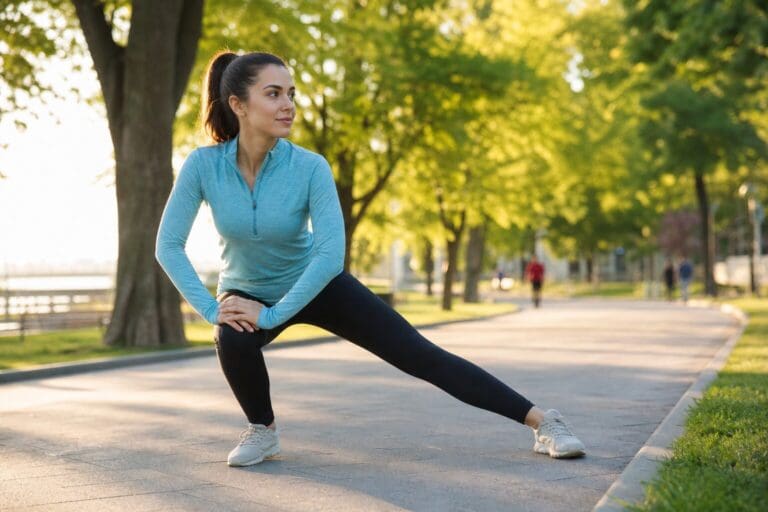
The growing movement towards outdoor fitness reflects a conscious effort to embrace nature in our daily routines. Activities such as hiking, trail running, and outdoor group classes are resonating with fitness enthusiasts. These eco-friendly exercise options not only provide essential physical benefits but also create a unique opportunity to connect with the environment. As individuals engage in nature workouts, the therapeutic effects of outdoor settings are becoming increasingly recognised for their positive impact on mental health and overall wellbeing.
Emerging programmes are championing the importance of outdoor physical activities, inspiring more people to step outside and incorporate nature into their fitness regimes. With many studies highlighting the stress-reducing benefits of spending time in natural surroundings, enthusiasts are now more motivated than ever to swap the gym for parks and trails. Participating in group activities in these serene environments fosters a sense of community and enhances personal growth, reinforcing the idea that fitness can be both challenging and restorative.
Ultimately, outdoor and nature-based fitness trends are paving the way for healthier lifestyle choices that emphasise environmental consciousness and holistic wellbeing. By integrating activities like morning yoga sessions in parks, individuals not only benefit physically but also nurture their mental clarity and emotional balance. Now is the perfect moment to explore how outdoor fitness can transform your approach to health and fitness, merging physical activity with the revitalising power of nature.
Discover how outdoor fitness canenrich your wellbeing