
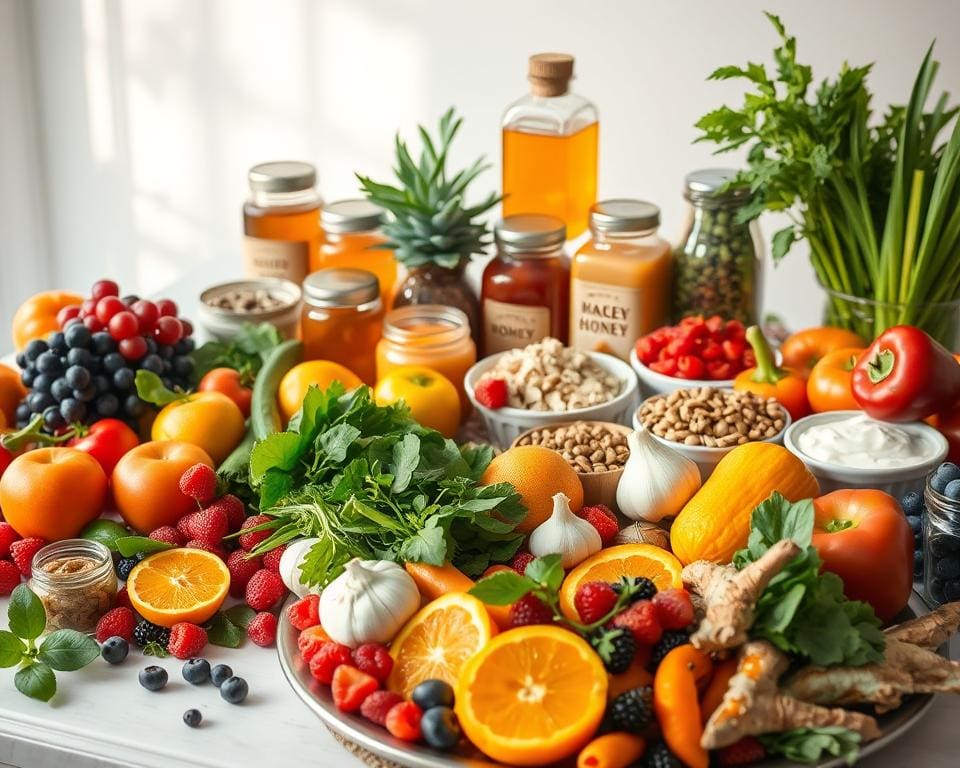
In our quest for optimal health, the role of nutrition cannot be overstated, particularly when it comes to immune support. A robust immune system is essential for combatting illnesses and ensuring overall well-being. By incorporating nutrient-rich foods into our diets, we can significantly enhance our natural immunity. Research demonstrates that a healthy diet for immunity can bolster immune function and mitigate infections. Let us explore the foods that can empower us to fortify our immune system naturally.
The Importance of a Strong Immune System
The significance of a robust immune system cannot be overstated. This complex network of cells, tissues, and organs is essential in safeguarding the body against harmful pathogens and infections. A well-functioning immune system plays a critical role in disease prevention, ensuring that the body remains healthy and resilient.
Research highlights the health benefits that come with maintaining optimal immune system function. Individuals with a fortified immune response often experience fewer instances of chronic diseases and enjoy enhanced overall longevity. Protection against viruses, bacteria, and other invaders becomes paramount, especially in an increasingly polluted environment and under the pressures of modern life.
Prioritising a strong immune system requires a commitment to healthy lifestyle choices. Balanced nutrition, regular physical activity, and adequate sleep contribute significantly to one’s immune health. By nurturing these vital aspects, individuals can empower their bodies to fight off illnesses more effectively, illustrating the profound importance of immune system integrity in our daily lives.
Essential Nutrients for Immune Function
Essential nutrients play a vital role in maintaining and optimising immune function. To enhance your immunity, it’s crucial to incorporate vitamins for immunity and minerals into your daily diet. These nutrients work synergistically to support various immunological responses.
Vitamin C stands out for its ability to stimulate the production of white blood cells, essential in fighting infections. Dietary sources include citrus fruits, strawberries, and bell peppers. Vitamin A, found in carrots and spinach, is another key player, aiding in the maintenance of mucosal surfaces that serve as barriers against pathogens.
Vitamin D has garnered attention for its role in activating T-cells, which are crucial for immune defence. Fatty fish, egg yolks, and fortified foods are excellent sources of this vitamin. Alongside these, vitamin E acts as an antioxidant, protecting cells from damage and is plentiful in nuts and seeds.
Minerals like zinc and selenium are fundamental nutrients for immune health. Zinc helps to signal immune cells, ensuring proper immune responses, while selenium aids in reducing inflammation. Foods rich in these minerals include whole grains, legumes, and lean meats.
Incorporating a variety of immune-boosting nutrients into your meals can significantly enhance your body’s ability to fight off illnesses. Consider exploring diverse dietary sources to ensure a balanced intake of these essential vitamins and minerals.
What foods support your immune system naturally?
Our diet plays a crucial role in maintaining a robust immune system. By choosing the right foods, we can harness the power of nature to enhance our health. Two key players in this endeavour are vitamin C sources and zinc-rich foods. These nutrients contribute significantly to our immunity, helping the body to fend off illnesses effectively.
Vitamin C: The Immunity Booster
Vitamin C is widely renowned for its immune-enhancing properties. Consuming vitamin C sources such as citrus fruits, strawberries, and bell peppers can significantly boost your body’s defence mechanisms. These foods are rich in antioxidants, which help to reduce inflammation and strengthen the immune response.
- Citrus fruits like oranges and grapefruits
- Strawberries loaded with flavour and nutrients
- Bell peppers, offering an impressive vitamin C punch
- Fortified cereals that provide a reliable daily intake
Zinc: A Key Mineral for Immunity
Zinc-rich foods are equally essential in supporting immune function. This vital mineral plays a role in numerous biochemical processes involved in the immune response. Including zinc sources such as meat, shellfish, legumes, seeds, and nuts in your diet promotes strong immune health.
- Meat varieties like beef and poultry
- Shellfish, particularly oysters, known for their high zinc content
- Legumes such as chickpeas and lentils
- Nuts and seeds, making for easy snacking that benefits wellness
Fruits That Enhance Immunity
Fruits play a vital role in fortifying the immune system, with specific varieties offering exceptional benefits. Among the most powerful are immune-boosting fruits like citrus fruits and berries, which provide essential nutrients and antioxidants necessary for maintaining health. Including these fruits in your diet can significantly improve your body’s ability to fend off illnesses.
Oranges and Citrus Fruits
Citrus fruits, such as oranges, lemons, and grapefruits, are celebrated for their abundant vitamin C content. This crucial nutrient elevates the immune response, helping the body combat infections more effectively. Regularly incorporating these vibrant fruits into meals can promote overall wellness and provide a refreshing burst of flavour.
Berries: Antioxidant Powerhouses
Berries for health, particularly blueberries and strawberries, stand out as potent sources of antioxidants. These fruits help combat oxidative stress and reduce inflammation in the body. Welcoming a mix of berries into your diet can not only enhance your immune function but also offer a delightful taste experience. For further insights on the benefits of fruits during times of illness, explore this resource.
Vegetables That Support Immune Health
Incorporating a variety of vegetables into your diet provides remarkable health benefits, particularly for immunity. Vegetables are packed with essential nutrients that play vital roles in strengthening the immune system. Among these, leafy greens and garlic stand out for their impressive health properties.
Leafy Greens: A Nutrient-Dense Choice
Leafy greens, such as spinach and kale, are among the best vegetables for immunity you can consume. Their rich vitamin and mineral content, along with various phytonutrients, offers numerous leafy greens benefits. Vitamins A, C, and E found in these greens contribute to cellular health and immune function. Additionally, they contain antioxidants that combat oxidative stress, further enhancing their role in maintaining a robust immune system.
Garlic: Nature’s Antimicrobial
Garlic is not only a popular culinary ingredient but also revered for its remarkable garlic health properties. The presence of allicin, a powerful compound released when garlic is crushed or chopped, gives it potent antimicrobial properties. This can help the body fend off infections effectively. Regular consumption of garlic in various dishes can significantly boost your immunity while providing a delicious flavour to meals.
The Role of Healthy Fats in Immunity
Healthy fats play a vital role in supporting the immune system. Incorporating these essential nutrients into your diet can lead to improved health outcomes. Among the prime examples of healthy fats are avocados and omega-3 fatty acids, both of which offer impressive benefits for immunity.
Avocados: Creamy Nutrients
Avocados pack a powerful punch when it comes to health benefits. Rich in monounsaturated fats, they are not only delicious but also contribute positively to cellular function. The avocados health benefits extend to reducing inflammation, which is crucial for optimal immune response. Regular consumption of avocados can enhance your overall well-being and strengthen your immune system.
Omega-3 Fatty Acids: Anti-inflammatory Properties
Omega-3 sources, such as salmon, mackerel, flaxseeds, and walnuts, are essential for maintaining immune function. These fats are well-known for their anti-inflammatory properties, which help combat unwanted inflammation in the body. By enriching your diet with omega-3 fatty acids, you can support immune cell activity and promote a healthier immune response. Embracing healthy fats for immunity not only nourishes your body but also fortifies your health.
Fermented Foods and Gut Health
Maintaining gut health plays a crucial role in bolstering the immune system. Research consistently highlights the connection between gut health and overall immunity, revealing how probiotics can promote beneficial bacteria. Incorporating fermented foods into your diet offers a delightful way to achieve these gut health benefits while enhancing your body’s natural defences.
Kefir: A Probiotic Powerhouse
Kefir is renowned for its rich probiotic content, making it a highly beneficial addition to any diet. This fermented milk drink supports digestive health, helping to balance gut flora and improve nutrient absorption. Consuming kefir regularly can significantly contribute to overall fermented foods immunity, as it fosters an environment conducive to the growth of healthy bacteria. Its versatility allows it to be included in smoothies, cereals, or enjoyed alone as a refreshing beverage.
Sauerkraut: Tradition Meets Nutrition
Sauerkraut, a fermented vegetable dish, delivers an abundance of vitamins C and K while providing a probiotic boost. This tangy addition to meals not only enhances flavour but also reinforces gut health benefits. Its natural fermentation process helps preserve beneficial microorganisms that support immune function. Including sauerkraut in your meals exemplifies how traditional foods can seamlessly intertwine with contemporary health needs. For more information about how various foods prevent bloating, explore this resource.
Whole Grains and Immunity
Whole grains play a significant role in enhancing overall health and supporting the immune system. Rich in essential nutrients, they provide a variety of health benefits, including improved gut health and increased immune responses. Among the notable whole grains, oats and quinoa stand out for their unique properties that contribute to a robust immune system.
Oats: A Heart-Healthy Choice
Oats are renowned for their health benefits, particularly their high content of beta-glucan fibre. This soluble fibre helps to modulate immune responses and enhances the body’s defence against infections. Incorporating oats into your diet not only supports cardiovascular health but also contributes to overall immunity. Enjoying a bowl of oatmeal or adding oats to smoothies can be an excellent way to start the day.
Quinoa: Quirky Grain Loaded with Benefits
Quinoa offers impressive nutritional value, being a complete protein that provides all nine essential amino acids. This makes it a valuable addition to a balanced diet, particularly for those following vegetarian or vegan lifestyles. Additionally, quinoa is packed with vitamins and minerals, including magnesium, which plays a role in immune function. Including quinoa in salads or as a side dish can notably enhance your nutrient intake.
Incorporating whole grains for immunity into daily meals can foster a healthier lifestyle, fortifying the body against various health challenges. Both oats and quinoa exemplify how simple dietary choices can lead to significant health benefits.
Hydration and Immune Function
Maintaining adequate hydration is crucial for optimum immune health. Water contributes significantly to hydration and immunity by facilitating nutrient transport and supporting essential cellular activities. Staying hydrated enhances bodily functions, helping to detoxify and maintain a balanced immune response. Understanding the water health benefits can lead to better choices for overall health.
The Role of Water in Immune Health
Water acts as a vehicle for transporting vitamins and minerals necessary for robust immune function. It aids in the elimination of toxins, which can compromise immunity. To optimise hydration, aim for at least eight glasses of water daily, and consider infusing it with slices of citrus fruits like lemon or lime for an extra vitamin boost.
Herbal Teas: A Soothing Option
Incorporating herbal teas for immune support can be an effective strategy. Teas such as peppermint, chamomile, and ginger provide not only hydration but also possess antioxidant and anti-inflammatory properties that bolster the immune system. Enjoying a warm cup can soothe your throat while helping to reduce mucus production. For insights on managing mucus, this resource offers practical suggestions. Remember that a well-hydrated body is better equipped to fend off infections and maintain resilience against common illnesses.
Food Combinations for Maximum Impact
Creating effective food pairings for immunity can significantly enhance the overall benefits of your meals. By strategically combining foods rich in different nutrients, you can tap into their synergistic properties, leading to optimum nutrition for health. A classic example is pairing vitamin C-rich foods, like oranges, with iron-rich plant-based options such as spinach. This combination not only improves the absorption of iron but also strengthens your immune response.
Incorporating these synergistic food combinations into your regular diet can be both enjoyable and fulfilling. Consider integrating garlic, known for its antimicrobial properties, with healthy fats, such as avocados. This not only boosts flavour but also enhances the bioavailability of nutrients, maximising your immune-boosting potential. The possibilities are endless when you embrace creativity in your culinary pursuits.
Ultimately, the key to a robust immune system lies in the diversity and quality of your food choices. By thoughtfully crafting meals that blend various food groups, you ensure that your body receives a comprehensive array of vitamins and minerals. As you explore these delicious food pairings for immunity, remember that making informed dietary choices today paves the way for a healthier tomorrow.