Porto is compact, atmospheric and rich in flavour, which is exactly why many UK travellers ask: What makes Porto a great destination for a city break? Set beside the Douro River in northern Portugal, the city blends tiled churches, riverside views, excellent food and a relaxed pace that suits a short escape without feeling rushed.
What makes Porto a great destination for a city break?
Porto works beautifully for a city break because it offers variety within a manageable area. Its historic centre is walkable, its neighbourhoods feel distinct, and many of its best experiences are simple pleasures: crossing a bridge, sitting by the river, tasting local dishes, or watching the light fall across terracotta rooftops.
The city has a lived-in charm rather than a polished resort feel. Streets rise and dip, laundry hangs from balconies, and blue-and-white azulejo tiles decorate churches, stations and façades. This gives Porto a strong sense of place, even during a brief visit.
It is also a practical choice. Flights from the UK are often short, public transport is straightforward, and many visitors can enjoy the city without needing a car. For a weekend or a few days away, that ease matters.
A compact city with memorable neighbourhoods
Porto is not a city that demands long transfers between sights. Much of its appeal lies in wandering between areas and noticing how the mood changes from one street to the next.
Ribeira and the riverside
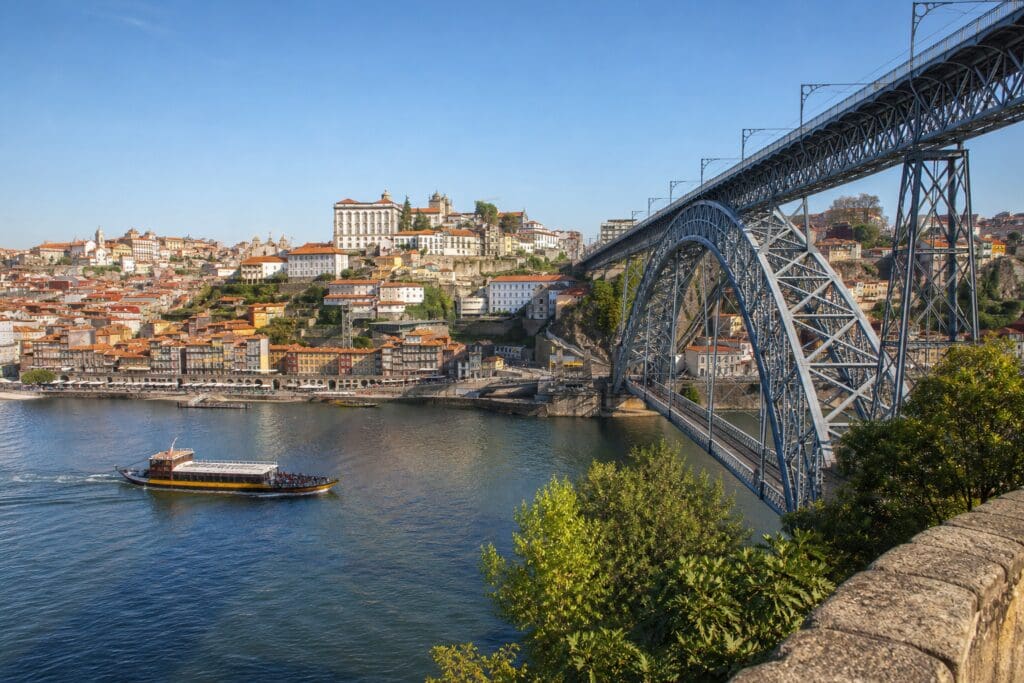
Ribeira, the old riverside district, is one of Porto’s most recognisable areas. Colourful buildings face the Douro, cafés spill towards the water, and the Dom Luís I Bridge creates one of the city’s defining views. It can be busy, but it remains a rewarding place to understand Porto’s relationship with the river.
Across the water, Vila Nova de Gaia offers another perspective. Although it is a separate municipality, visitors often experience it as part of the wider Porto break. From the Gaia side, the view back towards Porto’s stacked houses and church towers is especially striking.
Baixa and Bolhão
Baixa is Porto’s central district, where grand avenues, shops, cafés and civic buildings meet. It is a good area for first-time visitors because many landmarks are close together, including São Bento Station, known for its tiled entrance hall.
The Bolhão area adds everyday energy. Its market has long been associated with local produce, flowers and traditional food culture. Even a short walk nearby gives a sense of how Porto balances tourism with daily life.
Food, drink and local flavour
Food is a major reason Porto feels so satisfying on a short break. Meals tend to be hearty, generous and rooted in local tradition. The city is known for the francesinha, a rich sandwich typically served with sauce, and for dishes featuring cod, tripe, seafood, pork and excellent bread.
Port wine is closely tied to Porto’s identity, with historic lodges across the river in Gaia. For many visitors, learning about port is less about ticking off a tourist activity and more about understanding the city’s commercial and cultural past.
Some simple food experiences that help define a Porto city break include:
- Trying a pastel de nata with coffee in a traditional café.
- Eating grilled fish or seafood near the river or coast.
- Sampling local cheeses, olives and cured meats.
- Ordering a francesinha if you enjoy rich, filling dishes.
- Tasting port in a cellar while learning how it is aged.
Porto also suits travellers who prefer informal dining. While there are refined restaurants, the city’s charm often comes through in small taverns, bakeries and family-run places where the atmosphere is unfussy.
History, architecture and culture in easy reach
Porto has enough culture to fill several days, but it does not overwhelm visitors with an impossible list. The historic centre is a UNESCO World Heritage Site, and the city’s layers are visible in its streets, churches and riverside warehouses.
Clérigos Tower, Porto Cathedral and the Church of São Francisco are among the best-known sights. Each reflects a different aspect of the city, from religious history to baroque detail and views over the rooftops. The Livraria Lello bookshop is also famous for its ornate interior, although it is wise to remember that popular places may be crowded.
Azulejo tiles are one of Porto’s most distinctive visual features. They appear on church walls, station interiors and everyday buildings, adding colour and craft to the urban landscape. For visitors who enjoy photography, architecture or design, Porto offers constant detail without needing a formal museum itinerary.
The city also has a creative side, with galleries, contemporary spaces and independent shops sitting alongside traditional streets. This mix keeps Porto from feeling like a preserved museum. It is historic, but not static.
Great views, bridges and the Douro River
Porto is a city shaped by height. Its steep streets can be tiring, but they reward visitors with excellent viewpoints. The river valley gives the city drama, and the bridges make movement across the Douro part of the experience.
The Dom Luís I Bridge is especially important to the city’s image. Walking across the upper level offers broad views over the river, while the lower level keeps you close to the water and the activity along the quays. Sunset is often a beautiful time to see the buildings glow in warm light.
The Douro is not just scenic; it explains much of Porto’s history. Wine, trade and travel have all relied on the river. Even if you stay within the city, the presence of the Douro gives a Porto break a sense of openness that many compact cities lack.
Practical reasons Porto suits a short escape
Porto is well suited to travellers who want interest without overcomplication. Its metro connects the airport with the city, and central areas are easy to explore on foot, although comfortable shoes are important because of hills and cobbles.
The city also offers a good balance between planning and spontaneity. Visitors can organise specific sights, but many of the best moments happen while wandering: finding a tiled chapel, pausing at a viewpoint, or stepping into a bakery for something sweet.
For UK travellers, Porto often feels familiar enough to navigate comfortably, yet different enough to feel like a proper change of scene. The climate is generally milder than the UK, the food culture is distinct, and the pace encourages slower enjoyment rather than constant rushing.
Frequently Asked Questions
How many days do you need for a Porto city break?
Two to three days is enough to enjoy Porto’s main areas, riverside views, food and several historic sights. A longer stay allows for a slower pace and possible trips beyond the city.
Is Porto a good destination for first-time visitors to Portugal?
Yes, Porto is a strong choice for first-time visitors because it is welcoming, characterful and manageable. It offers Portuguese food, architecture, wine culture and history without feeling too large or difficult to navigate.
Is Porto easy to explore without a car?
Porto is easy to explore without a car, especially if you stay centrally. Walking, the metro, trams, buses and taxis can cover most visitor needs, though the hills may feel challenging.
What is Porto best known for?
Porto is best known for port wine, the Douro River, tiled architecture, historic streets and dramatic bridges. It is also loved for hearty food, atmospheric neighbourhoods and viewpoints over the city.
Is Porto suitable for a budget-conscious city break?
Porto can suit budget-conscious travellers, depending on accommodation, dining choices and travel dates. Many enjoyable experiences, such as walking the riverside and exploring viewpoints, do not require expensive tickets.