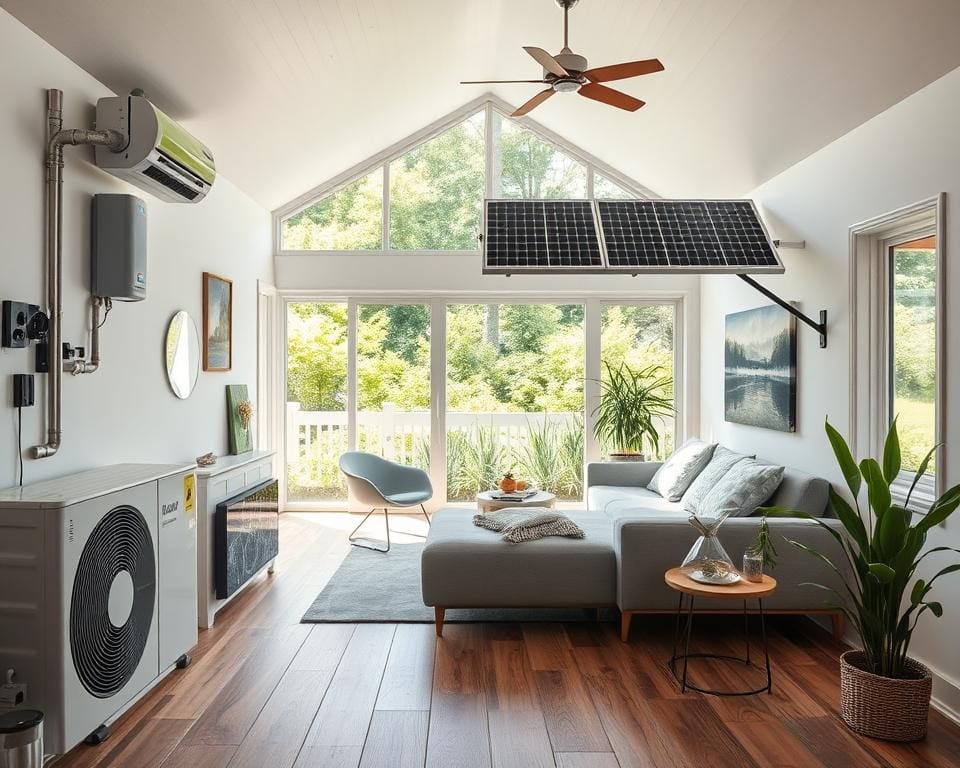
As homeowners strive for energy efficiency and an eco-friendlier living environment, the significance of sustainable home upgrades has never been more paramount. Not only do these enhancements contribute to reducing carbon footprints, but they also promote healthier living spaces. Recent studies show that houses featuring sustainable elements can achieve a home value improvement of up to 20% compared to their traditional equivalents, making eco-friendly renovations an attractive investment. With the UK aiming for net-zero emissions by 2050, the appeal and necessity for energy-efficient homes are set to grow significantly. To explore effective methods for making your home more energy-efficient, consider visiting valuable resources on sustainable upgrades.
Understanding Sustainable Upgrades
Sustainability in home improvement focuses on making informed choices that contribute to a healthier environment while enhancing the living experience. This approach encourages the use of materials and technologies that minimise energy consumption and reduce environmental impact. Homeowners who embrace eco-friendly renovations can create spaces that not only feel good but also function efficiently, paving the way for a more sustainable future.
What is Sustainability in Home Improvement?
Sustainability in home improvement encompasses practices that ensure future generations can fulfil their needs without depleting resources. This includes selecting energy-efficient appliances, sustainable materials, and approaches that lower the carbon footprint. Features such as modern insulation and energy-efficient windows exemplify how investing in eco-friendly options promotes a more sustainable home.
The Importance of Sustainable Upgrades for Homeowners
Embracing sustainable upgrades offers significant advantages for homeowners. Home improvement projects focused on eco-friendly renovations can lead to lower utility bills, enhanced comfort, and increased property values. According to statistics from the UK Green Building Council, sustainable buildings consume up to 90% less energy than traditional homes. This stark contrast highlights the homeowner benefits of sustainability, making it a wise choice for those aiming to improve efficiency and conserve resources.
What Sustainable Upgrades Improve Your House the Most?
Making judicious choices in home upgrades can profoundly enhance both energy efficiency and comfort. Two critical areas to focus on are energy-efficient windows and doors, along with sustainable insulation options. These enhancements not only facilitate lower energy bills but also contribute to a greener planet.
Energy-Efficient Windows and Doors
Investing in energy-efficient windows plays a significant role in minimising heat loss during colder months. Brands like Everest and Anglian offer advanced glazing technologies that enhance thermal performance. Homeowners who upgrade their windows may save up to £200 each year on energy bills, according to the Energy Saving Trust. These energy-efficient windows keep homes comfortable while reducing reliance on heating systems.
Sustainable Insulation Options
A well-insulated home is essential for maintaining a stable indoor environment. Sustainable insulation materials such as sheep’s wool, cellulose, and eco-friendly foam not only provide excellent thermal performance but are also sourced from renewable resources. Selecting these sustainable insulation solutions can significantly lower heating costs, proving advantageous for both the homeowner and the environment. Exploring options for effective insulation can lead to remarkable home upgrades that enhance energy efficiency.
Incorporating these upgrades paves the way for a sustainable home. Homeowners can discover more ways to improve energy efficiency in their homes by visiting this resource.
Solar Energy Solutions
As homeowners increasingly seek eco-friendly alternatives, solar energy emerges as a front-runner among renewable energy solutions. Integrating solar power into residences not only elevates sustainability but also offers numerous economic advantages. Understanding the solar panels benefits can significantly transform how families manage energy consumption and costs.
Benefits of Solar Panels
Investing in solar panels brings forth substantial financial savings. Homeowners can expect a reduction in electricity bills, as solar energy provides a sustainable energy source. This transition diminishes reliance on fossil fuels, contributing positively to environmental conservation. Furthermore, the increasing popularity of solar installations has led to a rise in property values, making homes equipped with solar panels appealing to potential buyers. Companies like Solarcentury and Octopus Energy offer competitive options tailored to varying household needs. With the backing of government schemes such as the Feed-in Tariff, households can look to save around £400 annually.
Other Solar Technologies for Your Home
Beyond traditional solar panels, other innovative solar technologies, such as solar water heating systems and photovoltaic tiles, can be seamlessly integrated into homes. These solutions enhance the capacity for solar energy production, further diversifying the benefits. Embracing these renewable energy solutions allows homeowners to actively participate in the transition towards a more sustainable future, all while enjoying significant cost savings and enhanced energy independence.
Eco-Friendly Landscaping Practices
Sustainable outdoor spaces not only enhance the beauty of a home but also contribute positively to the environment. Embracing eco-friendly landscaping practices can lead to thriving gardens that respect nature while being mindful of resource consumption.
Native Plants and Water Conservation
Utilising native plants is a cornerstone of eco-friendly landscaping. These plants are well-adapted to the local climate, requiring less water and maintenance. Incorporating species such as lavender and various wildflowers can create vibrant landscapes that attract local wildlife. By choosing these plants, homeowners can significantly reduce their water usage while fostering biodiversity in the garden.
Outdoor Living Spaces with Sustainable Materials
The creation of sustainable outdoor spaces extends beyond plants. Selecting sustainable materials for decks, patios, and garden furniture can greatly enhance the environmental impact of your landscaping. Options like recycled composites and sustainably sourced wood offer durability and aesthetic appeal. Using these eco-friendly materials not only ensures that outdoor living spaces last longer but aligns with the principles of sustainable design.
Smart Home Technologies for Sustainability
Embracing smart home technologies can dramatically enhance a property’s sustainability. These innovative systems not only streamline household management but also contribute to significant energy savings and more efficient heating solutions.
Energy Management Systems
Energy management systems empower homeowners to track and optimise their energy consumption. Devices like the Nest Learning Thermostat and Hive Active Heating play a crucial role in adjusting heating and cooling based on real-time usage patterns. This results in not only increased energy efficiency but also lower energy bills. By integrating these smart home technologies, households can make informed decisions about their energy usage, leading to substantial savings over time.
Innovative Heating and Cooling Solutions
Ground-source heat pumps and smart radiators represent a leap forward in heating solutions that advocate for sustainability. These technologies efficiently convert and distribute thermal energy, significantly reducing greenhouse gas emissions. By utilising these advanced heating solutions, homeowners align with governmental initiatives such as the UK Government’s Green Homes Grant, aimed at improving energy performance in homes across the nation.
Financial Benefits of Sustainable Upgrades
Investing in sustainable upgrades for your home presents numerous financial benefits that can significantly enhance your overall property value. Homeowners can experience substantial cost savings on utility bills as energy-efficient appliances, insulated windows, and sustainable insulation options work together to optimise energy consumption. Over time, these reductions in energy expenditure translate into sizeable savings, making sustainability not just an environmentally conscious choice but also a financially savvy decision.
Moreover, properties that are equipped with sustainable upgrades often witness increased market values. Research indicates that eco-friendly homes can appreciate at a rate approximately 7% faster than traditional homes. This makes a home investment in sustainable features an attractive proposition for those looking to sell or rent their properties in a competitive market.
Additionally, various government incentives and grants are available to assist homeowners with the costs of these improvements. By taking advantage of these financial benefits, homeowners not only contribute to a more sustainable future but also make a strategic decision that yields long-term rewards. Embracing these upgrades is a wise move that aligns economic sense with ecological responsibility.