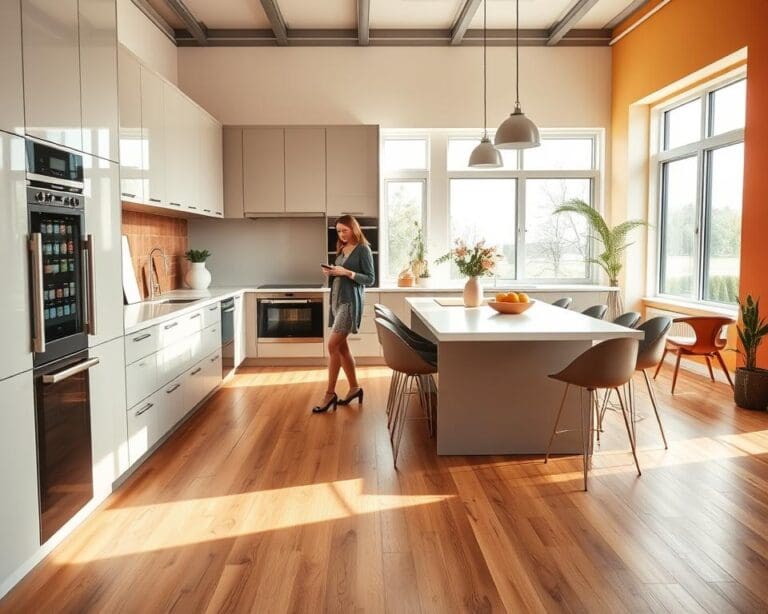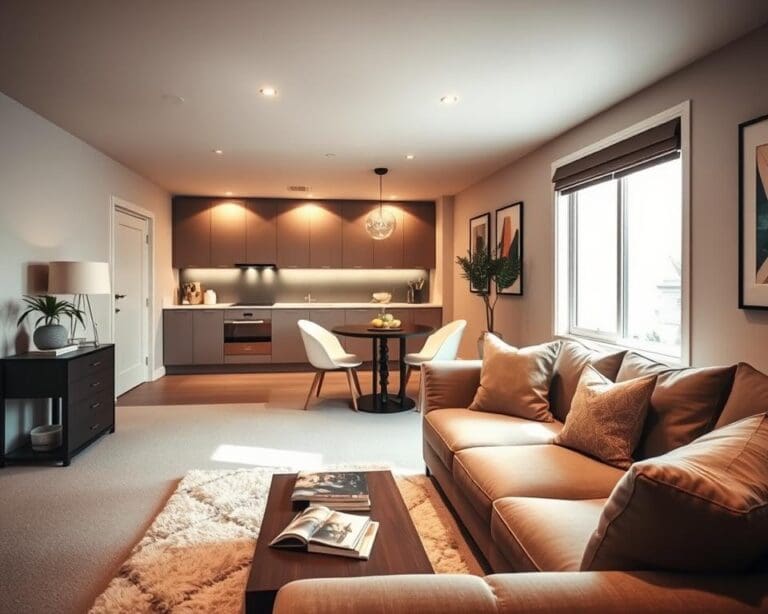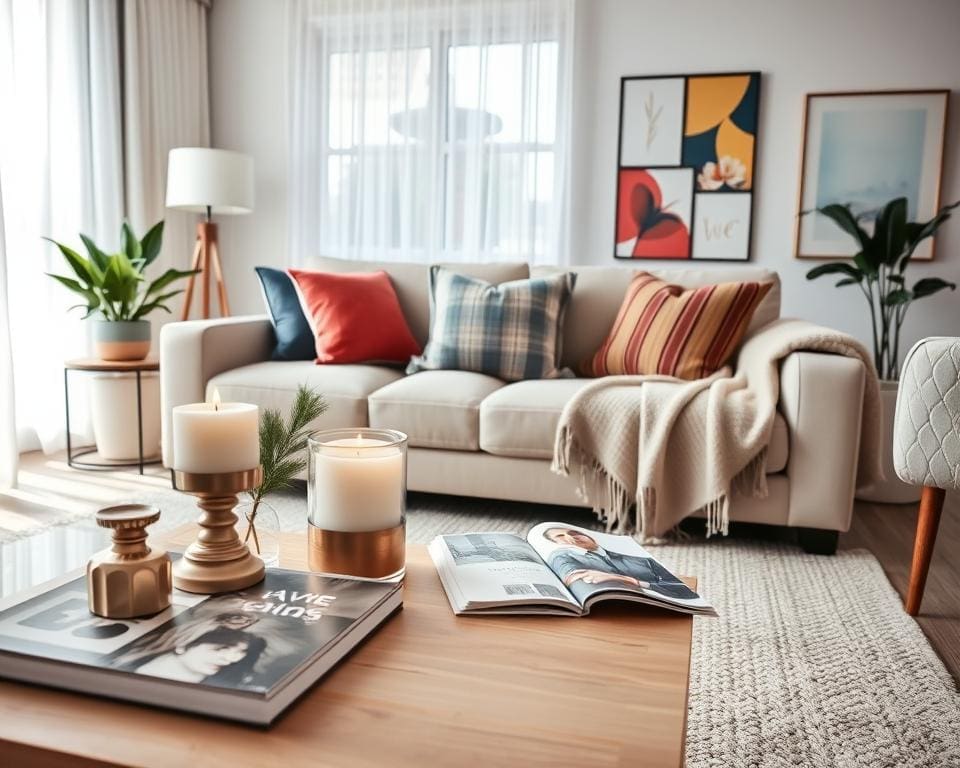
This short introduction outlines quick, practical home decor ideas that deliver visible change without long projects or major expense. You will find tips that suit UK flats, terraced houses and suburban homes, focusing on an instant room refresh with affordable home upgrades that balance style, function and budget.
Quick home updates work because small shifts in colour, texture and focal points alter mood and perceived space. Colour psychology is simple: warm tones create cosiness and cool tones bring calm. Scale and proportion affect flow, while layering with textiles and lighting adds depth. These familiar design principles help you achieve a room styling inspiration that feels both deliberate and welcoming.
This guide is for busy homeowners, renters and first-time buyers in the United Kingdom who want affordable, reversible changes. Many suggestions are ideal for rented properties and use non-permanent fixes so you can enjoy instant room refreshes without breaching tenancy agreements.
Use the rest of the article as a practical roadmap. Read the next section for immediate room-level swaps and section three for budget-savvy design tips to elevate style. Section four includes simple DIY home projects and creative decorating solutions. Before you start, gather measurements and set a small budget, and prioritise one or two changes per room to avoid overwhelm.
Check your rental agreement before making permanent alterations. Use decorator’s tape and non-damaging hooks for hanging, and follow manufacturer instructions for electrical fittings. For sustainability and savings, consider upcycling, charity shop finds and platforms such as Gumtree, Freecycle and Facebook Marketplace when hunting for affordable home upgrades.
Home decor ideas for an instant refresh
Give your room an instant refresh with a few targeted changes that deliver big results. These home decor ideas help you lift mood, add colour and improve flow without a full redesign. Use the tips below as room styling inspiration you can try in an afternoon.
Swap soft furnishings to change mood and colour
A soft furnishings swap is the quickest way to alter tone and texture. Change cushions, throws, curtains, bedlinen and lampshades for a fresh palette that suits the season.
Start with a neutral base and add two accent colours. Try muted pastels for spring and burnt orange for autumn. Look to John Lewis & Partners, MADE, Habitat and Dunelm for a range of price points and styles.
Choose cotton for breathability, velvet for a cosy, luxe feel, and linen for a relaxed look. Pick stain-resistant, machine-washable fabrics for practicality, especially if you rent.
Rearrange furniture for better flow and focal points
Rearranging furniture gives rooms new purpose. Create clear circulation paths and orient seating toward a focal point such as a fireplace, window or artwork.
Keep 45–60 cm between sofa and coffee table for comfort. In small rooms, float pieces off the wall to add depth and use multifunctional items like nesting tables or ottomans.
Measure furniture and the room before moving items. Try paper templates on the floor or use apps like Room Planner or Planner 5D to test layouts without heavy lifting.
Introduce statement lighting to uplift a room
Lighting changes atmosphere instantly. Layer ambient, task and accent lighting so you can shift mood with ease. Warm white bulbs (2700–3000K) work well in living areas.
Choose a pendant, chandelier-style fitting or sculptural floor lamp as a visual anchor. Check that mains fittings meet British Standard BS 7671 and consult an electrician when needed. Renters can use plug-in options for a similar impact.
Dimmable LEDs save energy and let you vary ambience. Add a reading lamp beside seating for focused task light.
Use rugs to define zones and add texture
Rugs define areas and introduce warmth. In living rooms, ensure rugs sit under the front legs of sofas and chairs. Dining rugs should allow chairs to be pulled back without catching.
Pick wool for durability, flatweave for easy cleaning and synthetic blends for stain resistance. Layer a large neutral base with a smaller patterned rug to anchor furniture and add interest.
Small accessory changes that make a big impact
Swap artwork and mirrors to create new focal points. Mirrors amplify light and make spaces feel larger; changing the frame can alter the style overnight.
Add low-maintenance plants such as snake plant, pothos or philodendron for a fresh touch. Consider ethical suppliers like Patch Plants and Crocus for healthy stock in the UK.
Refresh lampshades, add a tray with candles and books, or source unique items from charity shops and independent makers on Etsy. These budget-friendly decor ideas deliver personality without a big spend.
- Quick refresh checklist: update soft furnishings, switch lighting, add one statement piece, layer a rug, introduce greenery.
Interior design tips to elevate style on a budget
Small changes can lift a room without a big bill. Use smart choices for paint, furniture and finishes to create a polished look. These interior design tips focus on practical moves you can make today.
Create a cohesive colour palette with paint and accents
Start with a neutral base such as off-white, greige or soft taupe. Pick two accent colours from a fabric swatch or a photo to carry through adjoining rooms.
Use eggshell or matt emulsion on walls and satin for woodwork where you need durability. For rented homes, try peel-and-stick wallpaper or temporary tiles to form a feature area.
Test paints from Farrow & Ball, Dulux or Little Greene on different walls. Check how colours look in daylight and evening light before you commit.
Mix high-impact pieces with affordable finds
Invest in one or two durable items that matter most, like a sofa or dining table. Balance those with budget-friendly accessories from IKEA, Argos or Wayfair.
Search charity shops, auction houses and Gumtree for pre-loved statement pieces. Refinish or reupholster items to stretch your budget while keeping style high.
Layer textures and patterns for depth
Combine smooth surfaces such as metal and glass with soft textiles like wool and velvet. Add natural elements such as wood and rattan for warmth.
Follow a scale rule for patterns: one large, one medium and one small. Keep tones consistent to avoid a busy look. Use throws, woven baskets and tactile cushions to add depth.
Use mirrors to increase light and perceived space
Position mirrors opposite windows to reflect daylight and brighten a room. A large floor mirror can act as a focal point and serve practical needs in a bedroom.
Match mirror frames to your room’s finish. Use metal for modern schemes or painted wood for cottage styles. Fit heavy mirrors with proper fixings for safety.
Stylish storage solutions to reduce clutter
Concealed storage like ottomans, built-in cabinets with doors and media units with cable management keeps surfaces tidy. Mix closed and open shelving for balance.
Use matching baskets, labelled boxes and curated displays to make shelves look intentional. Consider multi-functional furniture such as sofa beds and hallway benches with storage for small UK homes.
- Plan a cohesive colour palette for flow between rooms.
- Combine one investment piece with budget-friendly decor ideas.
- Layer textures and patterns to add character.
- Use mirrors to boost light and space perception.
- Choose stylish storage solutions to keep clutter at bay.
DIY home projects and creative home decorating solutions
You can make fast, budget-friendly decor ideas work for your home with a few low-skill DIY home projects. Paint a feature wall using a durable emulsion such as Farrow & Ball Estate Emulsion or Dulux washable matt; fill holes, sand and prime first to ensure a neat finish. Replacing cupboard handles, door knobs and light switch covers from retailers like Screwfix, B&Q or Laura Ashley gives an instant uplift in an hour or two.
Upcycling lets you add personality without large spend. Use Annie Sloan chalk paint to refresh a small table and seal with wax or lacquer for durability. Repurpose a wooden ladder as a towel rail or turn crates into shelving, but always consider mounting points and weight limits. Source reclaimed timber, end-of-line fabrics from local upholsterers and surplus tiles from reclamation yards to keep costs down and improve sustainability.
Simple decorative crafts bring texture and warmth. Plan a gallery wall with mixed prints and frames from Wilko or The Range, using paper templates and a level to map the layout. Try macramé or woven hangings from Hobbycraft kits, and create hanging planters or terrariums with basic glassware; match plant choice to light levels and follow simple care routines. For cushions, practice a basic zip or envelope cover on a sewing machine or use local sewing services if preferred.
Practical planning saves time and money: expect roughly one day for a feature wall, 1–2 hours for new handles and a weekend to upcycle a small piece. Gather basic tools—brushes, drop sheets, screwdriver set, drill, sander—and wear PPE such as masks, gloves and eye protection when sanding or using solvents. Hire a qualified electrician, gas engineer or carpenter for mains electrical work, gas appliances or structural changes to meet UK standards and Part P requirements. Tackle one project at a time, personalise with travel finds and family photos, and favour second‑hand or reclaimed materials to reduce waste while creating spaces that feel distinctly yours.