
A linen shirt offers breathability, comfort and style, making it an essential piece for warm-weather dressing in the UK.
You will discover why linen shirts are a summer essential for your wardrobe. This section explains the fabric science behind linen and how it gives you superior breathability and natural moisture management. It also outlines linen’s cool-to-touch feel and how that translates into real comfort on hot days.
British summers can flip from warm sunshine to cool breezes, so a lightweight summer shirt that layers well is especially useful. Denim or cotton jackets pair easily with linen, and retailers such as Marks & Spencer, John Lewis and Uniqlo stock accessible linen collections across the UK.
Read on to learn how a breathable summer shirt improves wearability, which styles suit changeable weather, and why linen shirts UK are often a more sustainable choice than many synthetic alternatives.
What makes linen the ideal summer fabric
Linen dates back thousands of years, made from the flax plant, Linum usitatissimum. This makes linen a true example of natural fibres that have long served clothing and home textiles. Regions such as Belgium, northern France and the west of Ireland maintain strong flax and weaving traditions. Their expertise affects the quality of linen garments you find in UK shops.
The microscopic structure of linen gives it an advantage. Fibres have thick walls, hollow channels and a low twist in the yarn. Those features create tiny air pockets along the yarn. You get superior airflow compared with many cottons or synthetics. The breathability of linen explains why it stays cooler on hot days and feels fresher against your skin.
Your comfort on humid days benefits from linen moisture-wicking. Linen is hygroscopic, so fibres absorb moisture up to around 20% of their weight. The fabric transfers that moisture from your skin to the outer surface, where it evaporates. This behaviour reduces clamminess and visible sweat marks, useful for commuting in warm weather or travelling.
Quick-drying linen means faster turnaround between wears. You can wear a shirt one day, air it overnight and it will be ready the next. That practical advantage helps when you need reliable layers during a changeable British summer.
Linen feels cool to the touch due to its thermal properties and airflow. The fibres draw heat away from your body faster than many alternatives, creating a perceptible cooling sensation on contact. Loose weaves amplify that effect; tighter weaves give more structure while slightly reducing airflow.
This natural thermal balance helps with temperature swings. You stay comfortable in daytime heat and remain warm enough when temperatures drop in the evening. That linen thermal regulation makes a shirt a sensible choice for unpredictable UK summer weather.
How a linen shirt improves comfort and wearability
You want a shirt that feels light, moves with you and stays cool through a warm British day. A lightweight linen shirt gives a natural drape that cuts cling and boosts airflow. Fabrics in the 100–150 gsm range sit comfortably on the body for hot spells, while midweights give more structure when you need layers.
Choose relaxed cuts and features such as box-pleated backs or soft-washed slub linen to improve ease of movement. The fabric’s initial stiffness softens with wear and laundering, so the shirt gains a lived-in comfort without losing breathability.
Lightweight drape and unrestricted movement
Linen’s looser weave lets air circulate, reducing cling and making it easier to move. A lightweight linen shirt hangs away from the skin, keeping you cooler than heavier shirting. Tailoring that favours relaxed shoulders and room through the chest enhances the breathable effect.
For better comfort, look for soft finishes and gentle washes. These treatments keep the fabric breathable while offering a softer hand that moulds to your shape over time.
Reduced skin irritation and suitability for sensitive skin
Linen is naturally hypoallergenic and less likely to trap dust mites or bacteria. That makes linen for sensitive skin a sensible choice if you suffer mild dermatitis or heat-related irritation. The fabric’s airflow lowers sweat build-up and reduces chafing in humid conditions.
When buying, check construction details. Shirts with flat seams, low-impact dyes and pre-washed finishes reduce initial roughness and limit potential irritants against the skin.
Versatile layering for changeable UK summer days
A layering linen shirt adapts easily to shifting temperatures. Wear it open over a cotton T‑shirt for cool mornings, buttoned for warm afternoons, or beneath a lightweight blazer for smarter occasions. Linen pairs naturally with cotton, seersucker and fine wool, which helps you build outfits that respond to the day.
Consider weight when planning layers. Lightweight linen is best for heat, while midweight options offer more structure for cooler evenings. For inspiration on breathable summer shirts UK and dress pairings, see this summer guide.
Linen shirt styles and how to wear them for British summers
Start with a clear idea of your needs before you dress for a warm day. Linen shirt styles range from short-sleeve camp-collar shirts to oversized relaxed fits and long-sleeve options that can be tailored for smarter events. This variety makes it simple to plan a summer outfit with linen that suits city streets, coastal weekends or garden gatherings.
Casual looks: short-sleeve and relaxed-fit options
Short-sleeve linen shirts and Cuban collars are summer staples. Pair a casual linen shirt with chinos, tailored shorts or lightweight denim for weekend ease.
Choose breathable underwear and consider light prints for a holiday mood. High-street choices include Uniqlo’s linen blends and Marks & Spencer, while premium picks come from Reiss and Sunspel.
Smart-casual outfits for work and events
For smart-casual linen, pick a long-sleeve in a neutral tone and wear it with smart trousers or an unlined blazer. A slim or regular fit retains polish while keeping comfort.
Roll sleeves for a relaxed, intentional look or keep cuffs buttoned for formality. Linen-blend jackets and linen suits are common at summer events; a linen shirt underneath keeps the outfit cohesive and weather-appropriate.
Colour and pattern choices that suit warm-weather palettes
Opt for linen colours that reflect heat and flatter skin tones: white, cream, light blue, sage green, soft pink and muted earth tones work well. Lighter shades help keep you cool in bright sun.
Subtle stripes, checks and slub textures add interest without affecting breathability. Natural, unbleached linen brings a neutral base that mixes easily with the rest of your wardrobe. Wash coloured linen in cool water and avoid prolonged sun drying to preserve colour longevity.
Footwear and accessory pairings to complete the outfit
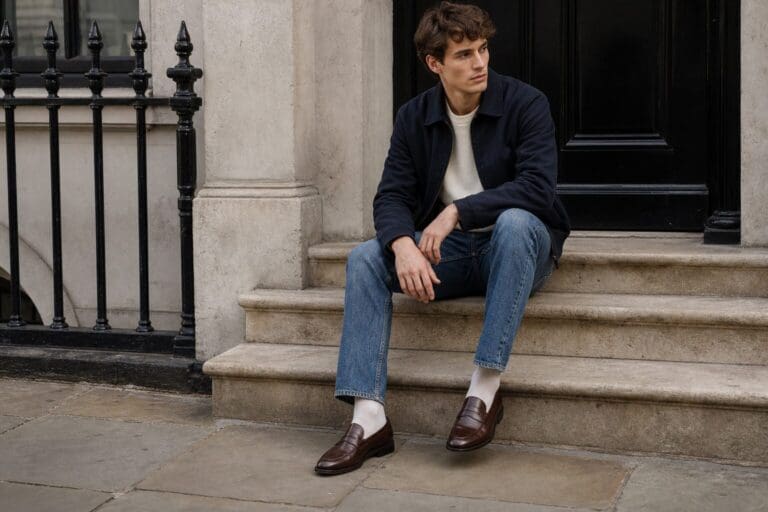
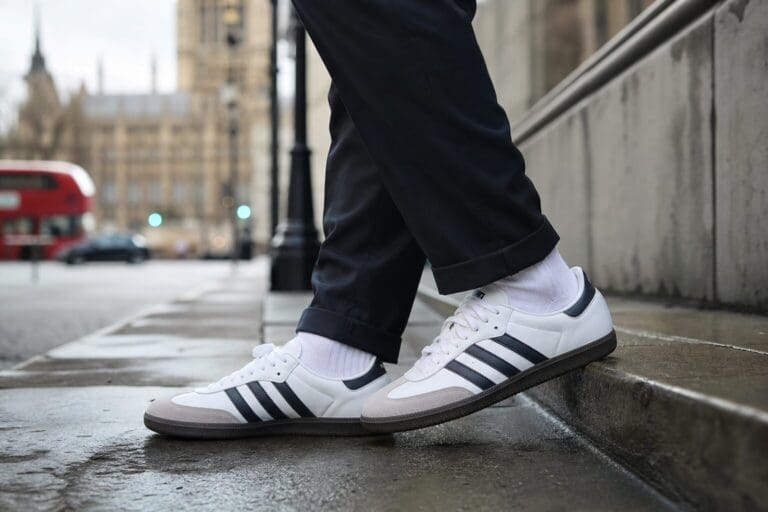
Choose shoes to match the mood: canvas trainers, loafers, espadrilles or lightweight leather sandals are solid options depending on occasion and weather. Pick breathable socks to keep the airy aesthetic intact.
Accessories such as a woven straw hat, sunglasses, a canvas tote or leather messenger bag finish a summer outfit with linen. Pack a light overshirt or unlined cotton jacket for cooler UK evenings and favour water-resistant footwear if rain is likely.
Care, longevity and sustainability of linen shirts
To keep your linen shirt at its best, follow simple linen shirt care rules. Wash in cool or warm water on a gentle cycle using a mild detergent and avoid overloading the machine to reduce creasing. If the fabric is delicate, hand-wash or place the shirt in a mesh wash bag. Learning how to wash linen properly will extend its life and preserve colour.
Drying and ironing choices shape appearance and feel. Air-dry flat or on a hanger in the shade to prevent sun-bleaching; use a low tumble-dry sparingly to soften fibres and reduce stiffness. Linen wrinkles naturally and many people favour a relaxed look, but for a neater finish iron while the shirt is slightly damp or use a steam iron. With darker shades, use a pressing cloth to avoid shine.
Flax fibres give linen notable durability, so linen longevity often outperforms many cotton shirts when cared for correctly. The fabric softens with wear, becoming more comfortable over time. Replace or repair shirts when you notice thinning at high-friction areas, persistent stains or fraying seams. Mending—patching or re-stitching—keeps garments useful and supports sustainable linen habits.
For the eco-conscious buyer, linen is a strong option among eco-friendly fabrics: flax typically needs less water than cotton and much of the plant is used, reducing waste. Still, production methods, dyeing and transport affect the footprint, so look for transparency and labels such as European linen, OEKO-TEX or GOTS when applicable. Choose mid-weight, well-constructed shirts from reputable UK or European brands, consider second-hand or vintage pieces, wash less frequently, repair rather than replace and repurpose worn linen into cleaning cloths to maximise sustainability.